This Article Contains
Three Questions That Eliminate Uncertainty on the Day
The "right" profile photo isn't determined by your expression alone. Even with the same face, where it will be used, who will see it, and the impression you want to leave can call for a completely different photo.
Before your shoot, settle these three things:
- Where will it be used?—A social media icon, a business card, a website's "About" page, a dating app, a speaking event announcement, etc.
- Who will see it?—A hiring manager, a new client you haven't met, a first-time patient, a potential match on a dating app, etc.
- How do you want to come across?—Trustworthy, dependable, approachable, highly skilled, easy to talk to, etc.
Once you have answers to these three, you have a framework for choosing your outfit, background, expression, and the angle of your face. In other words, rather than aiming for "a nice photo," you're aiming for "a photo that does its job where it's used." Think of it as an intake questionnaire for making a photo that actually works.
There's no need to overthink it. Writing three lines in a notepad is all it takes. That alone will significantly reduce the "am I doing the right thing here?" uncertainty on shoot day.
Why "Something That Looks Good" Is Hard to Communicate
The most common request on a shoot is: "something that looks nice, please." That's completely understandable. But without knowing what "nice" means in this context, a photographer can only fall back on general conventions.
Background color, outfit tone, how stiff or relaxed the expression should be, the angle of the face—none of these contradict "looking nice." With so many options and no deciding factor, the direction of the shoot can feel vague.
Answering the three questions gives the photographer something concrete to work from. If you've established "LinkedIn / hiring manager / trustworthy and approachable," the options narrow: a background that's neither too bright nor too dark, a navy or white jacket, an expression with the corners of the mouth slightly—not broadly—raised. Passing that information along in words aligns the shoot's direction almost immediately.
FIG. 002The three questions to settle before a profile photo shoot. From left: "Where will it be used?", "Who will see it?", "How do you want to come across?"
Change the Purpose, Change the Right Photo
Even if the same person is photographed on the same day, the photos they'll choose will differ depending on where those photos are used. Here are some examples of that difference.
"For a new clinic's doctor introduction page. Viewers are first-time patients. I want to come across as someone they can comfortably talk to."—In this case, a lab coat or clean, simple outfit, a bright background, and an expression with the corners of the mouth barely raised—rather than a wide smile—would work well.
On the other hand: "For a conference announcement. Viewers are executives considering whether to attend. I want to convey expertise and dependability."—Here, a jacket or slightly formal outfit, a composed expression with the corners of the mouth about 2mm raised, and a face angle turned away from any text on the slide would be the most practical choice.
These three questions also apply when selecting photos after the shoot. Rather than choosing based solely on "do I like how I look?", using the framework of "does this match the purpose, audience, and impression I decided on?" reduces indecision. When choosing from dozens of candidates, having that framework makes a noticeable difference in how easily you can decide.
Three Misalignments That Happen Without Preparation
Going into a shoot without the three questions tends to produce the following problems.
① Moving forward without a clear direction—The photographer will judge based on "generally good photos." That's not necessarily wrong, but it's impossible to know whether it's optimal for your specific purpose.
② Assuming one photo can do everything—Trying to cover business cards, a hiring page, a dating app, and social media with a single photo tends to result in a photo that's mediocre for all of them. Because what you're communicating to whom differs from place to place, the same photo almost never works perfectly for every use.
③ Regretting it after the fact—The feeling of "it looks good, but something's off" comes from a mismatch between the photo's purpose and the photo itself. Realizing this after it's done leaves you with a choice between reshooting or settling.
The three lines you write before the shoot are less about briefing your photographer and more about confirming things for yourself.
A One-Page Pre-Shoot Memo
The evening before or the morning of the shoot, write just three lines on a piece of paper or in a notes app on your phone. There's no need to make it complicated. Even a list of nouns works perfectly well.
Example: "LinkedIn / hiring managers and business contacts / trustworthy and easy to approach"
Example: "Clinic website / first-time patients / a doctor who's easy to talk to"
Example: "Marriage agency profile / potential matches around my age / clean-cut and approachable"
On shoot day, show this memo to the photographer at the start. Even if there was no prior briefing call, sharing it when you arrive will align the direction quickly.
When the shoot is over and you're selecting photos, revisit this memo. Rather than choosing based on personal preference, using "does this match the three lines I set?" as your criterion will speed up the selection process and leave you feeling more confident about your choice.
- Write three lines before your shoot: "Where will it be used?", "Who will see it?", and "How do I want to come across?"
- Once you have answers to these three, it becomes much easier to choose your outfit, background, expression, and face angle.
- When selecting photos afterward, use "does this match my three lines?" rather than personal preference as your criterion.
Related Diagrams
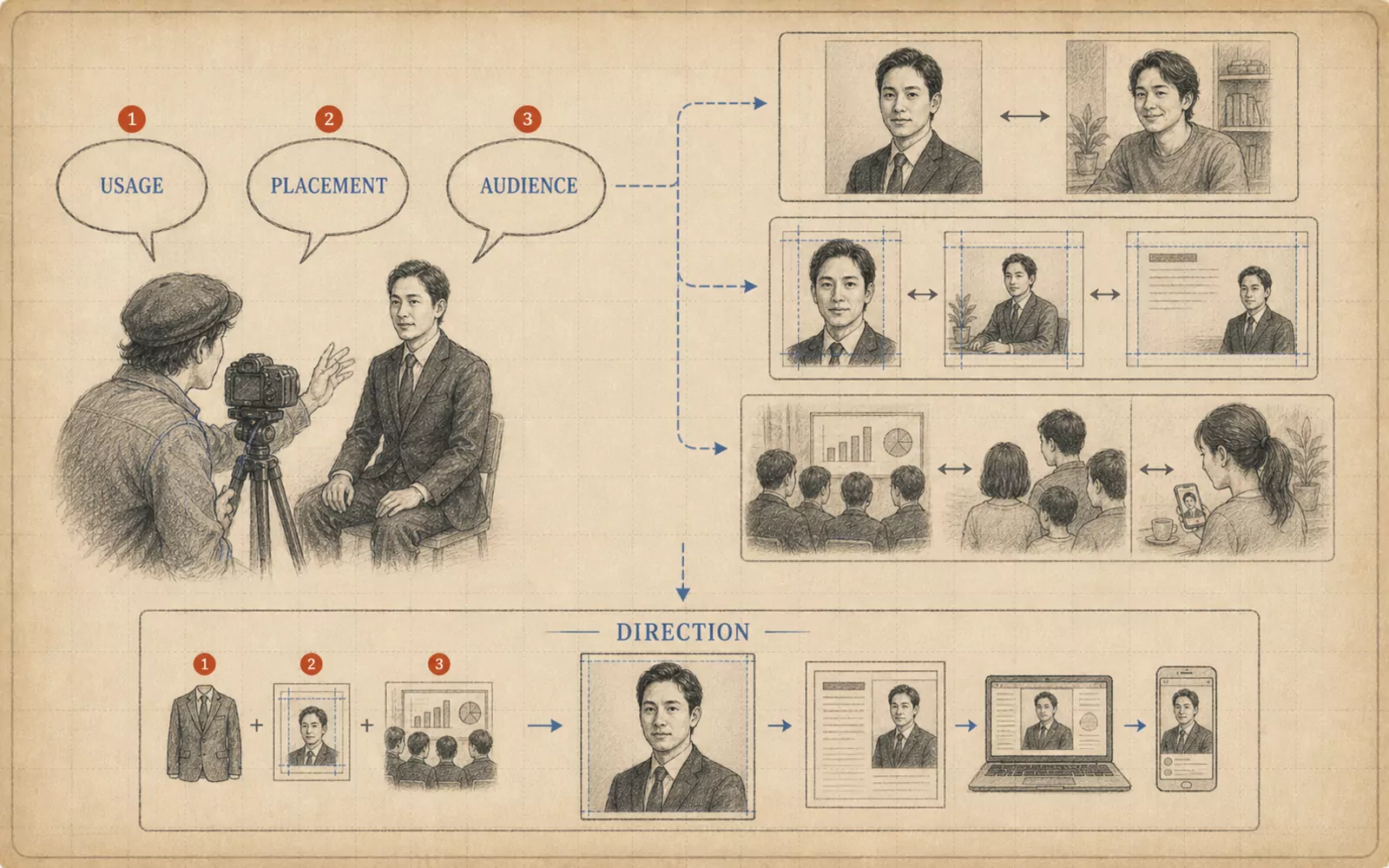 FIG.080Three Questions a Photographer Should Ask You FirstA great profile shoot starts by asking about purpose, audience, and the impression you want to leave.
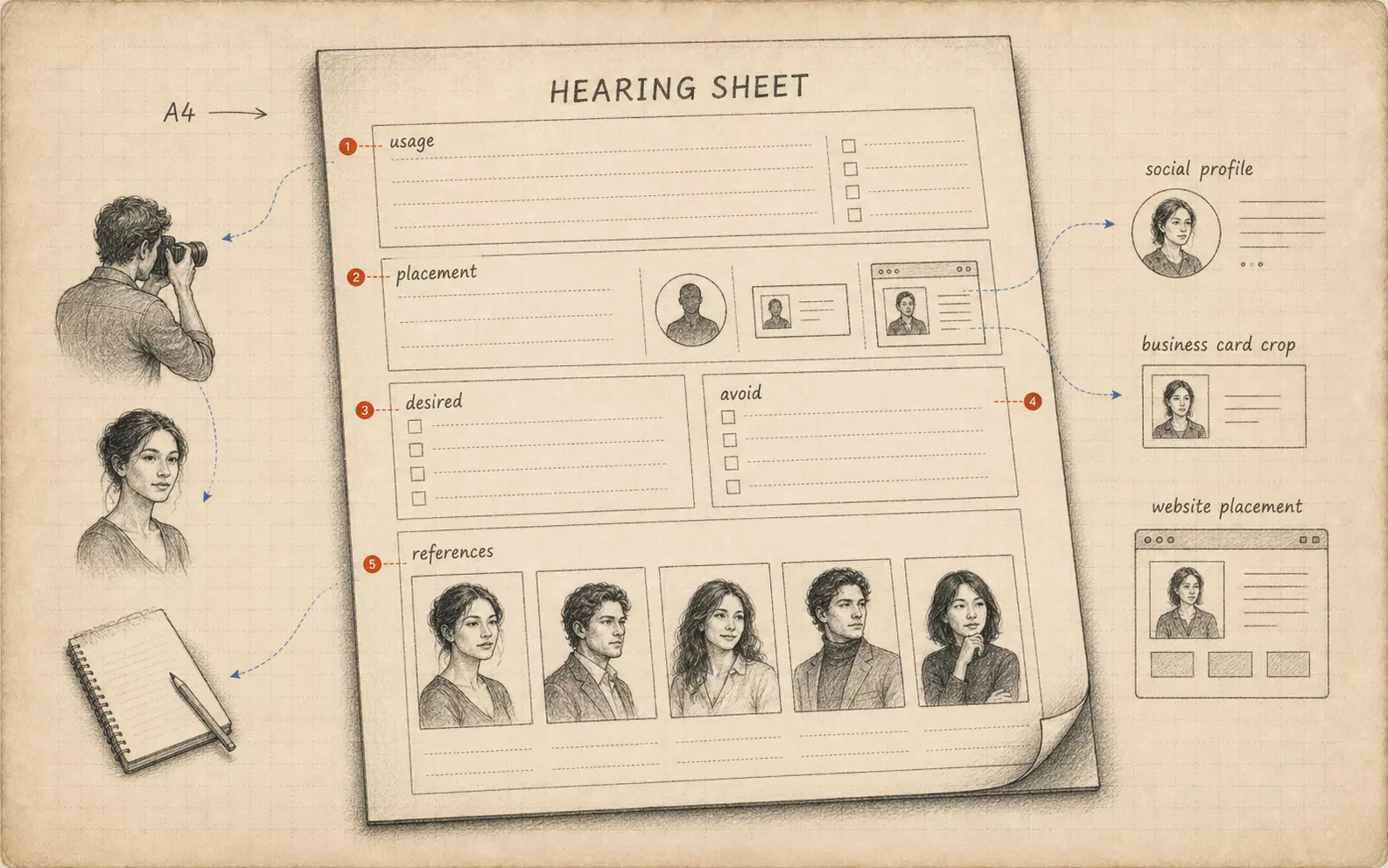 FIG.084Bring Your Own Briefing Sheet to the ShootWhen the subject brings a one-page summary of purpose, audience, and desired impression, the shoot's direction aligns instantly.
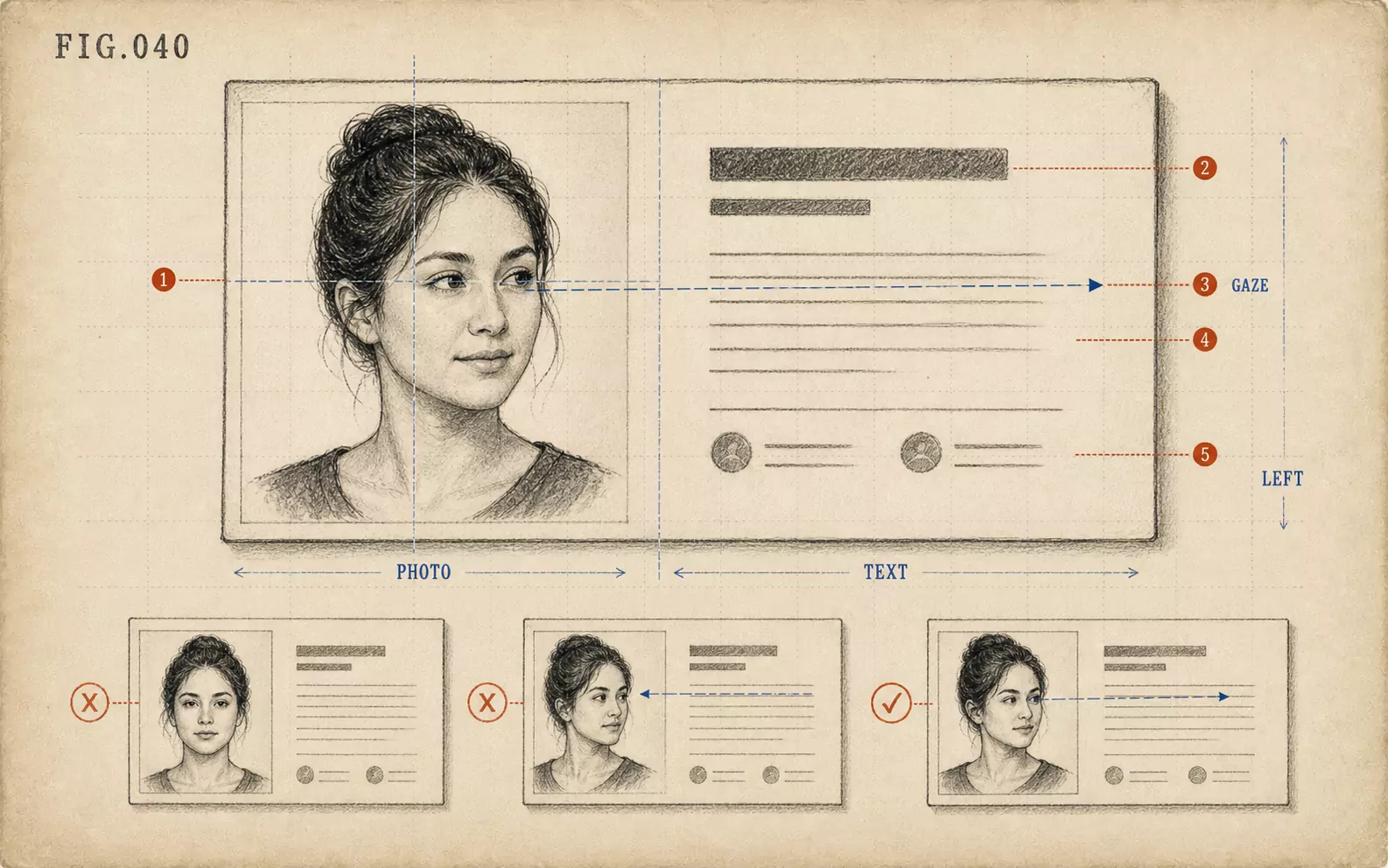 FIG.040On LinkedIn and Business Cards, Your Face Goes on the LeftOn the web and on business cards, profile photos tend to be placed on the left—which means photos where the face looks toward the right (into the page) are easier to use.