This Article Contains
"Where You Use It" Comes Before "Which One to Use"
When choosing a profile image, the first thing to establish is: "What is this image for?" Rather than asking whether it looks good, think about what the viewer is trying to evaluate in that particular context.
Selfies are convenient and easy to update, but they tend to distort the face at close range and let background clutter show through. When used in a professional profile, this can unintentionally read as carelessness before anything else.
Illustrations and avatars can be effective when you want to express a particular aesthetic or maintain anonymity. However, in contexts where the viewer needs to confirm "does this person actually exist?" before reaching out, they can fall short in conveying a real sense of presence.
Professional photography is the option that lets you calibrate distance, lighting, background, and outfit all at once. It becomes easier to convey both "this person is real" and "this person is trustworthy in their work" in a single image.
Why a Photo of Your Face Becomes the Entry Point for Trust
Profiles that include a photo of the person's face are said to make it easier for viewers to take the next step—making an inquiry, signing up, or hitting follow—compared to profiles without one. This is because a face photo doesn't function as decoration; it serves as the material that allows a viewer to feel safe enough to take that next action.
When people consider contacting a stranger, they unconsciously try to confirm: "Does this person actually exist?" and "Will it be safe to meet them in person?" A face photo delivers information that words alone cannot, instantly and in answer to both of those questions.
With professional photography, you can capture not just the physical reality of the person, but also "the atmosphere of someone doing this kind of work." The choice of outfit, the tone of the background, and how stiff or soft the expression is communicate your professional positioning without a single word.
FIG. 004A diagram showing how the sense of presence and the way trust is conveyed differs across selfies, illustrations, and professional photography.
Which Profile Image Suits Which Purpose
The right type of image changes depending on where it's used. Here are some examples.
Where professional photography works best—LinkedIn, profiles for licensed or medical professionals, hiring pages, executive introductions, speaking event announcements, and any other context where the viewer is deciding whether to engage you for work. Outfit and background can be calibrated to convey professional credibility in full.
Where illustrations can work—Creative social media accounts, high-anonymity online communities, personal hobby blogs, and other contexts where expressing a distinctive aesthetic takes priority. That said, if you also want to generate inquiries or lead to meetings, having a real photo of yourself available somewhere else is worth considering for peace of mind.
Tips for using selfies—Close-range arm's-length shots tend to distort the face, so place your phone at a distance and use the timer instead. Shooting in natural light near a window and using a simple wall as a background can bring the impression closer to a professional-quality photo.
Dealing with the Reluctance to Show Your Face
Many people feel resistance to using a face photo. Lack of confidence in how you photograph, privacy concerns—there are many reasons. That feeling is entirely natural, and there's no need to force yourself to show your face.
However, if your goal is to build professional connections or receive inquiries, it's worth considering once whether "not showing my face might be making the viewer do extra work to verify who I am."
Even if you don't want to show your face, there are options. A photo from behind, a profile shot, an image of your hands at work, or a scene from your work environment—images that convey a "sense of a person being present" are another route. There's usable territory between a full face photo and a graphic illustration.
A profile image isn't for making yourself look more attractive—it's the entry point through which a viewer can safely imagine who you are.
Inspecting the Profile Image You're Currently Using
Try picking one role your current profile image is playing: "identity verification," "professional trust," or "aesthetic expression." Trying to serve multiple roles with a single image tends to result in all of them being half-hearted.
If you want to convey professional trust, prioritize a profile photo where your face is clearly readable. Even when using an illustration, check whether you can place a real photo of yourself near your profile page or contact information.
Finally, check the image in its actual context. A social media icon (a circular crop), a small print on a business card, a large display on a website—look at each size and situation and ask yourself: "Is this consistent with who someone would meet in person?" That's the final check.
- Selfies, illustrations, and professional photos each convey a different sense of presence and kind of trust.
- In contexts designed to lead to work inquiries or meetings, a face photo functions better as a trust entry point.
- Check the image in its actual context and confirm it's consistent with who someone would meet in person.
Related Diagrams
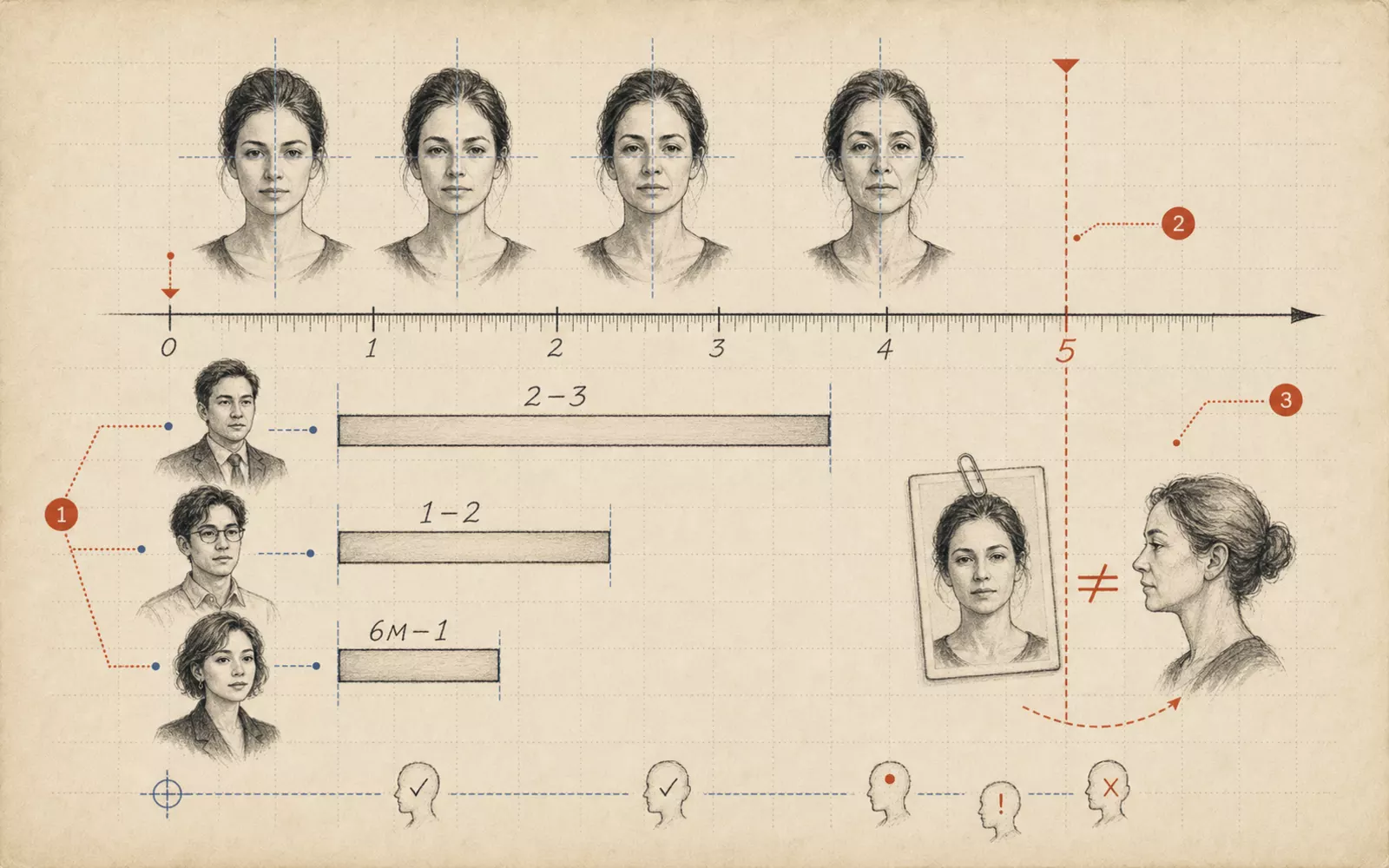 FIG.001Photo Shelf Life: When to Update Your Profile Photo by ProfessionProfile photos have an expiration date. Executives: every 2–3 years. IT startups: every 1–2 years. Hairdressers: every 6 months to 1 year.
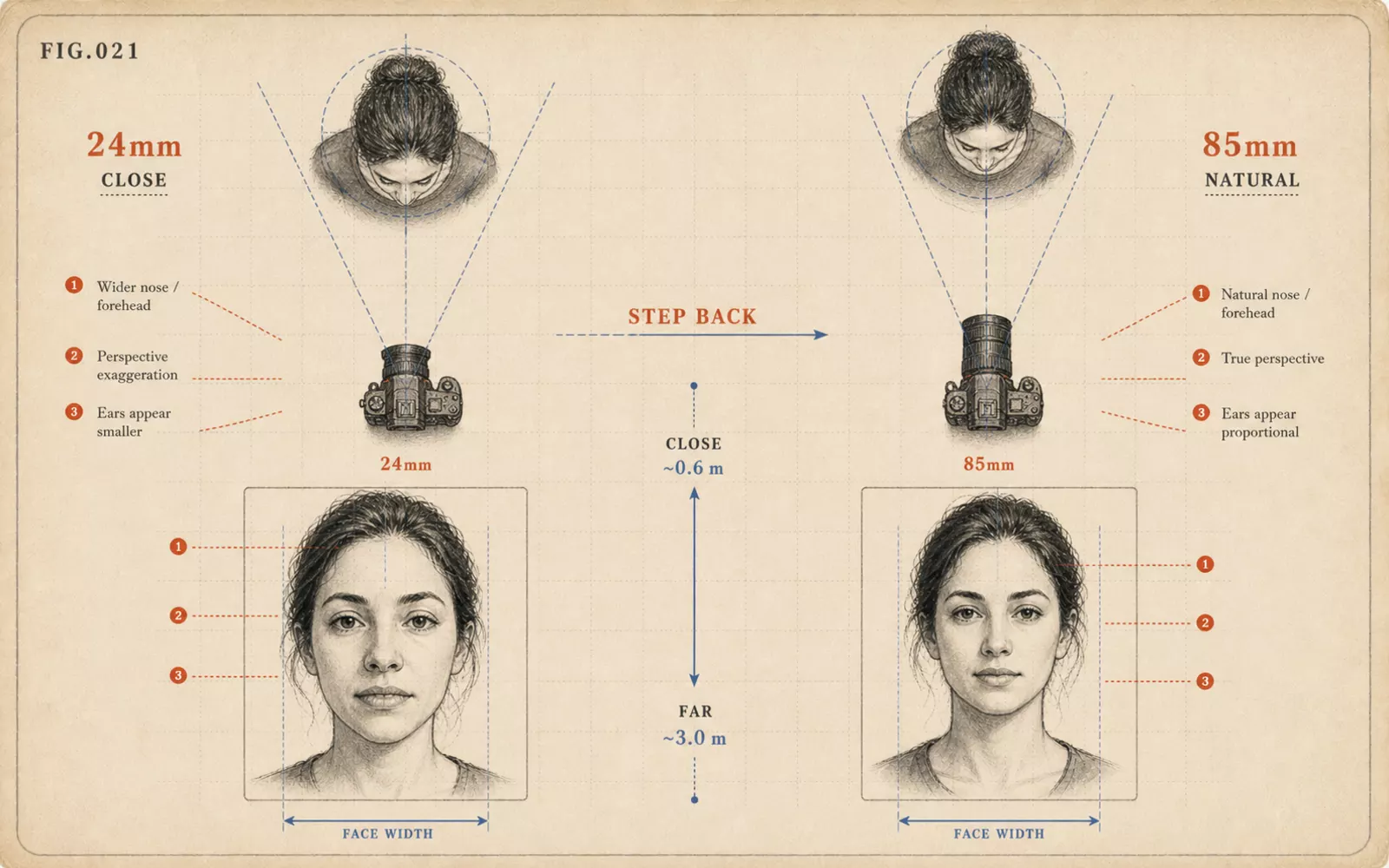 FIG.021The Courage to Ask Your Photographer to "Take a Step Back"When the camera is too close, your face distorts in the photo. The case for shooting at 85–135mm with distance.
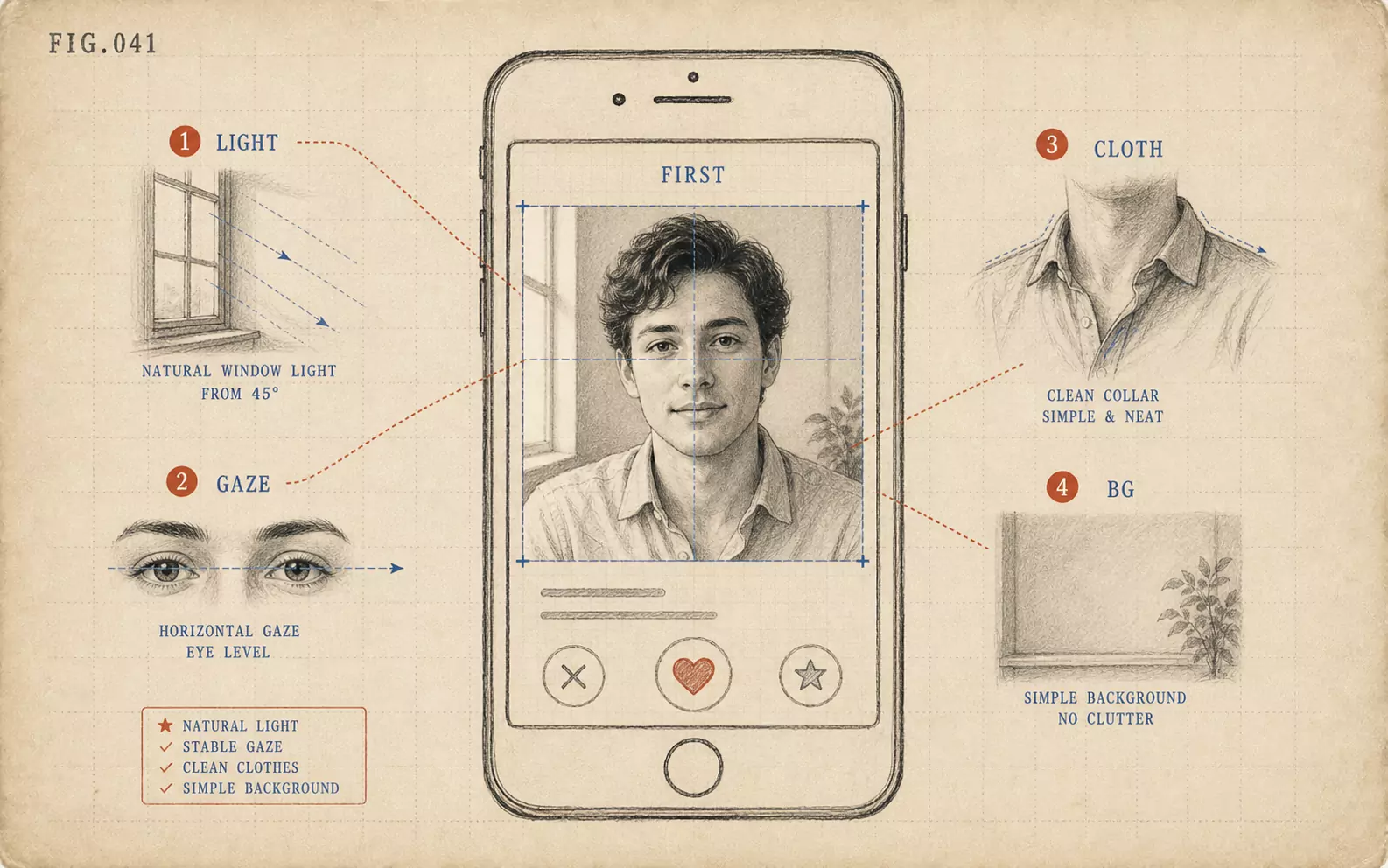 FIG.041The One Photo That Gets You in the Game on Dating AppsFor dating app photos, building trust that holds up in person matters more than making yourself look better than you are.