This Article Contains
Update Intervals by Profession
There's no single "update every X years" rule that applies to everyone. The freshness a profile photo needs varies widely depending on the nature of your work.
For executives and licensed professionals (lawyers, tax accountants, judicial scriveners, etc.), every 2–3 years is a reasonable benchmark. These are professions where trust is communicated through the weight of a title and expertise, so many people continue using the same photo as long as nothing major has changed. That said, going independent, moving offices, or changing your role is a clear signal to update.
For those in fast-changing fields like IT startups or freelancing, every 1–2 years is more appropriate. Job titles and the nature of projects change quickly in these environments, so the photo needs to keep pace.
For hairdressers, nail technicians, and service-oriented roles where appearance directly relates to the job, aim for every 6 months to 1 year. Clients look at your photo and decide "I want this person to take care of me." If your style has changed but the photo hasn't, the gap between expectation and reality becomes significant when they meet you in person.
The most important thing is not to decide mechanically based on years alone. A simple guiding question: if someone who just met you in person saw your profile photo, would they think "yes, that's the same person"? Using that as your benchmark makes it easier to judge the timing yourself.
Why an Outdated Photo Quietly Erodes Trust
When you keep using a photo that's more than five years old, a small gap emerges when people meet you in person. They might think "hmm, you look a bit different from your photo," but they won't say so out loud. That subtle sense of disconnect, however, quietly lingers in the first few seconds of meeting someone new.
Your business card or website profile photo creates the "expected version" of you before a meeting happens. When the face on the cover doesn't quite match the face in person, it creates a small crack in that first impression of trust. This isn't about looking younger—it's about whether your photo matches where you are in your career right now.
For example, if you keep using a photo taken during your salaried days after going independent, your face is the same, but the "sense of responsibility" and "scale of work" have changed. The photo ends up speaking only to who you used to be.
Delaying updates to hide the fact that you've aged can also backfire. In professional photos, there are many situations where conveying your current experience and composure matters more than projecting youth.
FIG. 001Recommended profile photo update intervals by profession. From left: beauty and service roles (6 months–1 year), IT and freelance (1–2 years), executives and licensed professionals (2–3 years).
Four Changes That Signal It's Time to Retake
When you're not sure, check the following four things. If two or more apply, that's a good signal to seriously consider a new shoot.
- Your hairstyle has changed—A significant change in perm, color, or length means your first impression has already shifted.
- Your job title has changed—A job change, going independent, or a promotion means the role you're in has changed, and the atmosphere the photo needs to convey changes with it.
- Your body shape or weight has changed—The contours and overall impression of your face are sensitive to changes in weight.
- Your career stage has changed—The kind of trust you want to project in a startup's early days is different from its growth phase. Reflecting a shift in where your business stands is worth doing in your photo too.
For professions that involve being seen—hairdressers, instructors, and the like—changes in hairstyle and overall impression carry especially significant information. Before a client even reaches out, they're looking at your photo and deciding "can I trust this person?" That's why having a photo that genuinely conveys who you are now is so important as a first point of contact.
The Photo You're Most Attached to Is the Most Dangerous
A common mistake is continuing to use the best photo you've ever had taken—even if it's old. The photos we love most are the hardest to let go of, but the further they drift from who you are now, the stronger the "you don't look like your photo" impression becomes when people meet you.
An attachment to a favorite photo is natural. But if that photo is "the masterpiece of your past self," it may not be the best choice for your professional life today.
Changing your photo isn't a rejection of who you were. Just like updating the title on your business card, it's simply updating the display to reflect your current state. A new photo has the potential to become the masterpiece of who you are right now.
The longer you use an old photo, the more people see the gap—not the photo.
A Quick Check You Can Do Today
There's no need to overthink this. Just check the following three things about the profile photo you're currently using.
- Write down when it was taken—An exact date isn't necessary; "about three years ago" is fine. Knowing roughly when it was taken is the first step.
- Circle the changes from the four categories—Mark which of the four—hairstyle, job title, body shape, career stage—have changed. Two or more means it's a candidate for a retake.
- Look at it in context—Check it in the actual places it's displayed: your website, social media, business card, presentation slides. Step back and ask yourself whether it's consistent with who you are now.
Deciding to get a new photo might feel like a big step. But the moment you start thinking "this might be getting old" is already the signal. A photo that honestly captures who you are now will immediately close the distance between you and the people you meet.
- Update intervals by profession: executives and licensed professionals every 2–3 years, IT startups every 1–2 years, hairdressers and service roles every 6 months to 1 year.
- An outdated photo creates a subtle "you look different from your photo" disconnect that affects trust at a first meeting.
- If 2 or more of these have changed—hairstyle, job title, body shape, career stage—that's a signal to consider a retake.
Related Diagrams
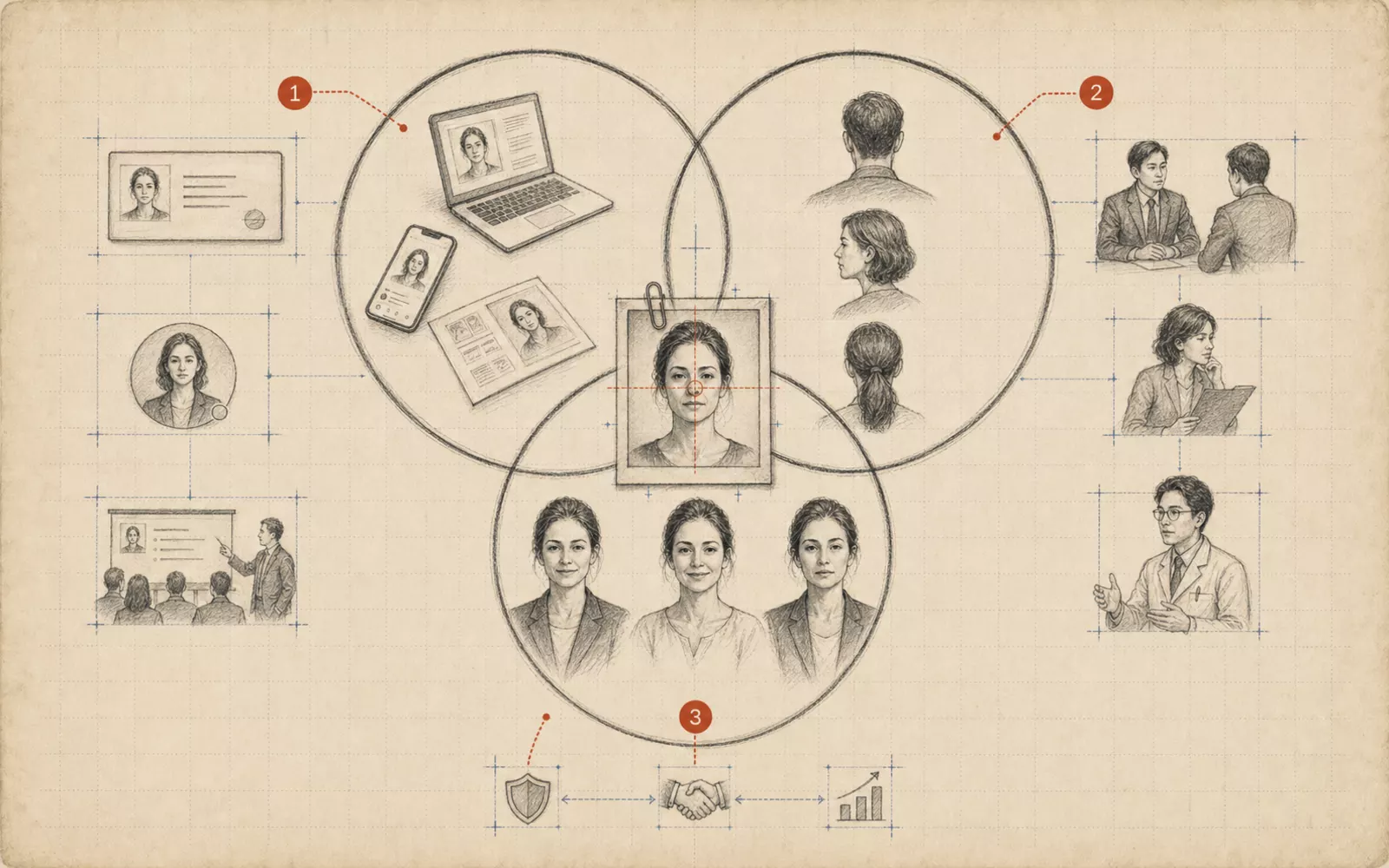 FIG.002Three Questions to Ask Yourself Before Your Profile ShootWhere will it be used, who will see it, and how do you want to come across? The three questions to settle before your shoot.
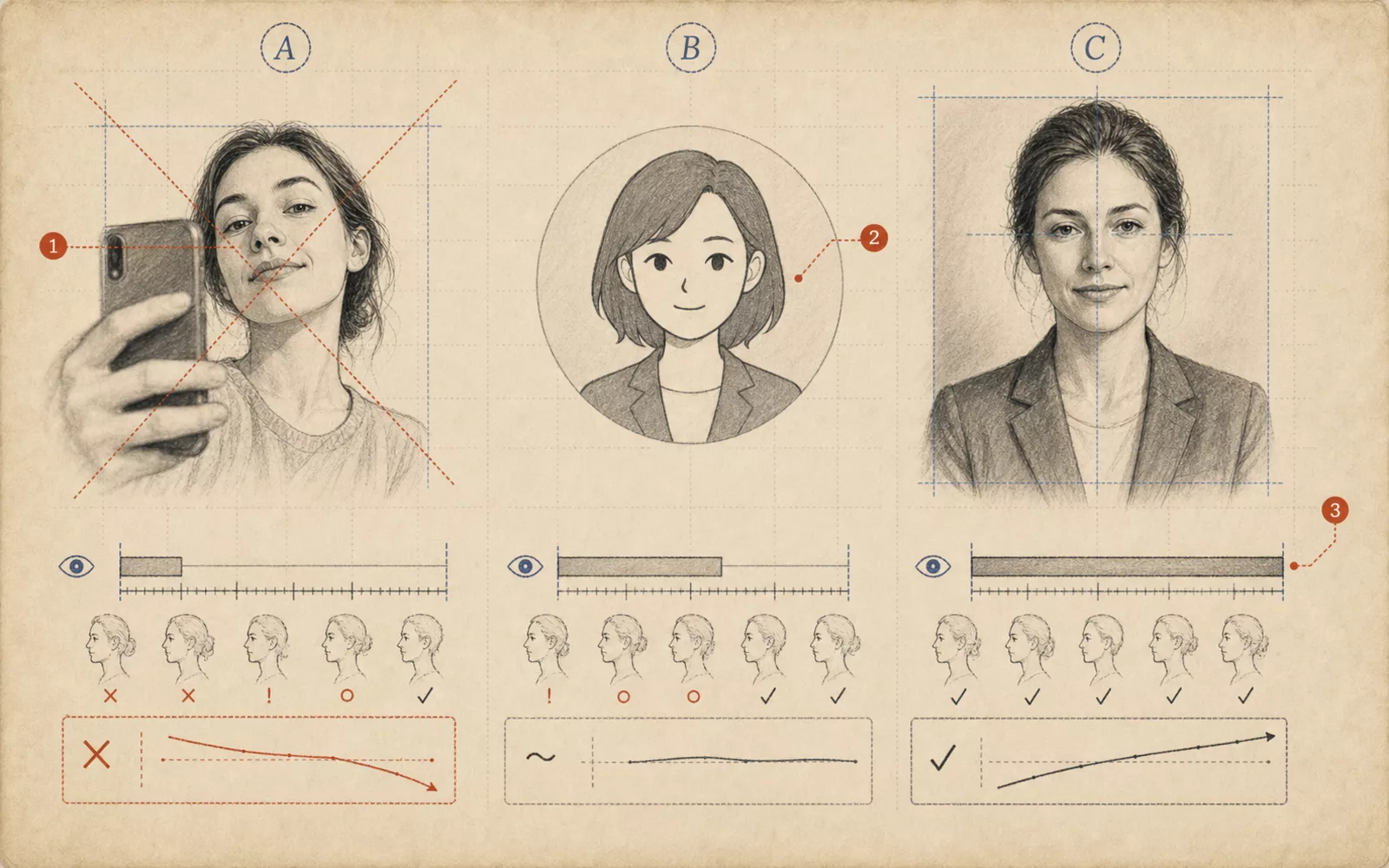 FIG.004Selfie, Illustration, or Pro Shot: How Does Trust Change?Selfies, illustrations, and professional photos each convey a different sense of presence and trust. How to choose based on your purpose.
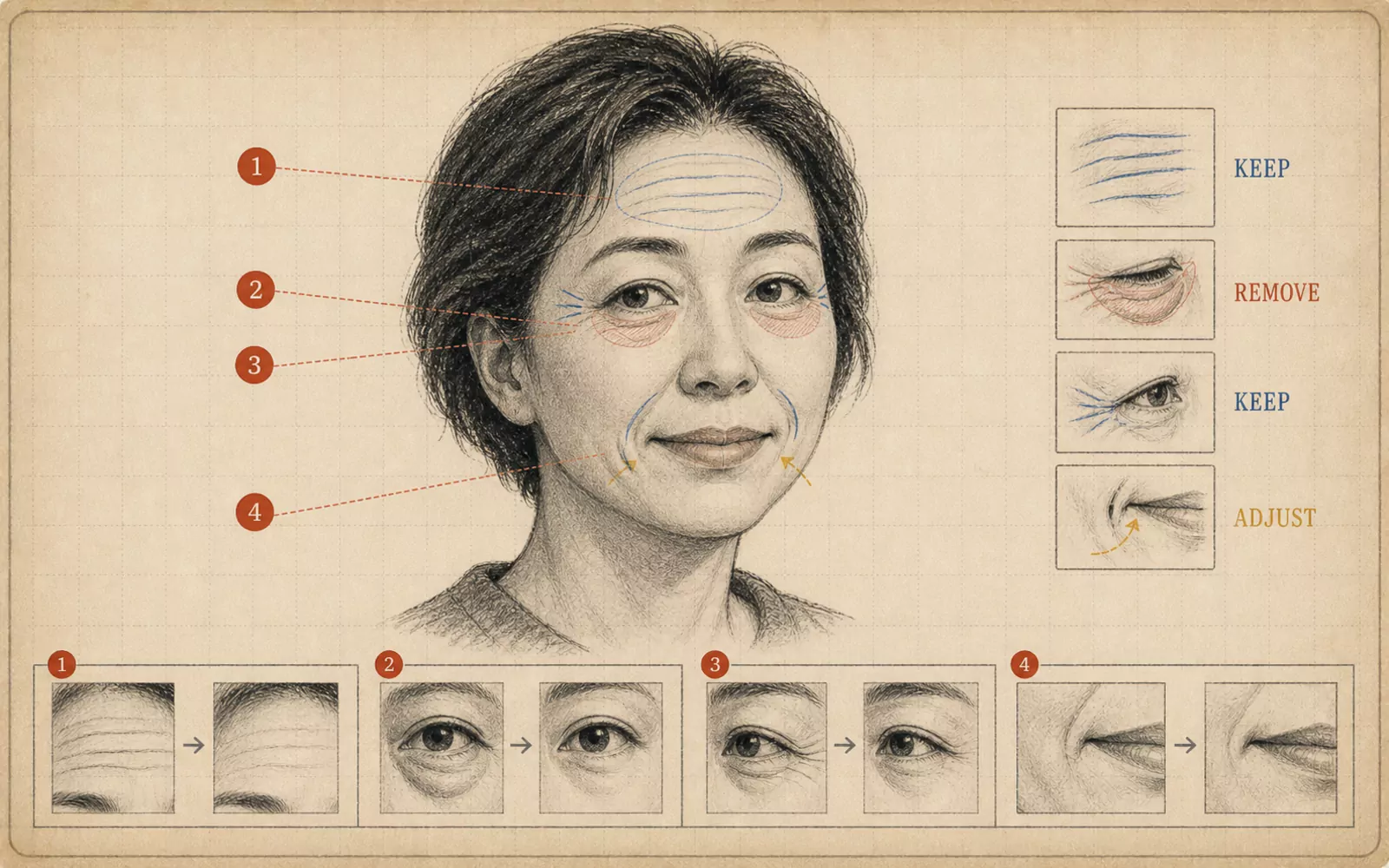 FIG.062Which Wrinkles to Remove and Which to KeepRetouching is not about looking younger—it's about deciding what to erase, soften, and leave as-is.