This Article Contains
"Look Natural" Gives the Body Nothing to Work With
"Be more natural." "Just look good, please." "A little softer." These are impression words. They communicate what kind of photo is wanted — not what to physically change about the body.
For a person to move their body, they need to know which part to move and by how much. "Drop your shoulders," "pull your chin in 5mm," "shift your gaze slightly upward" — these give you a clear next action. "Softer" alone leaves open whether to change expression, posture, hands, or eye line, making it impossible to settle on any one option.
This issue connects to something that comes even before photography technique: whether the photographer has asked about purpose, audience, and the impression you want to make. When that groundwork is in place, direction can be tied to your goal — "For a recruitment context, let's go for an approachable expression — lift the corners of your mouth slightly and ease the intensity in your eyes" — which makes it far easier for you to respond.
How Abstract Direction Causes a Subject to Freeze
When a subject receives abstract direction, they are left to interpret it on their own. Does "softer" mean changing expression? Adjusting posture? Shifting eye direction? The more possible interpretations, the more the mind deliberates over which to choose.
That deliberation is what produces the frozen look. Someone who appears to have locked up is often, in reality, working hard to figure out what to change. The inability to move comes not from nerves but from instructions that cannot be converted into physical action.
"Relax" is a particularly difficult category of word. "Relax" names a state, not a specific action. Lower your shoulders? Place your hands somewhere? Look away for a moment? Only when translated into a physical movement can it actually be performed.
FIG. 083A diagram comparing abstract direction with specific direction and the difference it makes.
The Difference Between Direction You Can Act On and Direction You Can't
Direction you can't act on conveys impression only. "Give it a bit more atmosphere." "Something brighter." "More natural." These communicate a vision of the finished photo but leave the next move invisible.
Direction you can act on names body part and amount. "Pull your chin in just a little — about 5mm." "Turn your chest slightly to the right." "Rest your hand on the desk lightly, without gripping." These are instructions you can follow immediately.
When the pre-shoot briefing has covered purpose and audience, direction gains intent as well. "The recruiter will be viewing this, so let's make the expression approachable — lift the corners of your mouth slightly, and let a little of the intensity go from your eyes." When you understand why you're making a specific move, it becomes easier to make good judgment calls on your own too.
Freezing Up Is Not Only About Nerves
When you freeze during a shoot, it is easy to conclude that you are "someone who gets nervous in front of a camera." In most cases, though, the issue is the specificity of the direction. The same person, given instructions that name which body part to move, can move naturally.
On the other side of the equation, if the photographer decides "the subject is nervous" and responds with only "You're fine, just relax" repeated several times, nothing will change. Trying to dissolve nerves is often less effective than simply naming the next physical movement.
When a shoot is full of abstract direction, more frames don't help narrow the direction down. When it comes time to choose, all the options feel vaguely acceptable but none feel clearly right for the purpose — because no clear standard was ever established.
Good direction tells the subject exactly which body part to move next.
When You Don't Understand, It's Fine to Ask
During the shoot, if "be more natural" or "softer" lands without meaning, it is fine to ask: "Should I change my expression, my posture, my hands, or my eye line?" Asking something specific tends to produce a specific answer.
Before the shoot, confirm whether the photographer will ask about purpose and audience. Whether or not you are asked about where the photo will be used, who will see it, and what impression you want to make has a direct effect on the quality of direction you receive during the session (see FIG.080). If no briefing is offered, you can prepare your own sheet to hand over (see FIG.084).
The same logic applies to photo selection. Choosing based on "this fits the goal I defined at the start" rather than "I just like this one" helps even when in-session direction was vague — you can still identify which photos serve your purpose.
- "Just look natural" and "relax" describe impressions, not body movements. Freezing up is a problem of specificity, not nerves.
- Good direction names which body part to move and by how much — "pull chin in 5mm," "turn chest slightly right" — giving you a clear next action.
- When you don't understand, ask: "Should I change my expression, posture, hands, or eye line?" A specific question tends to produce a specific answer.
Related Diagrams
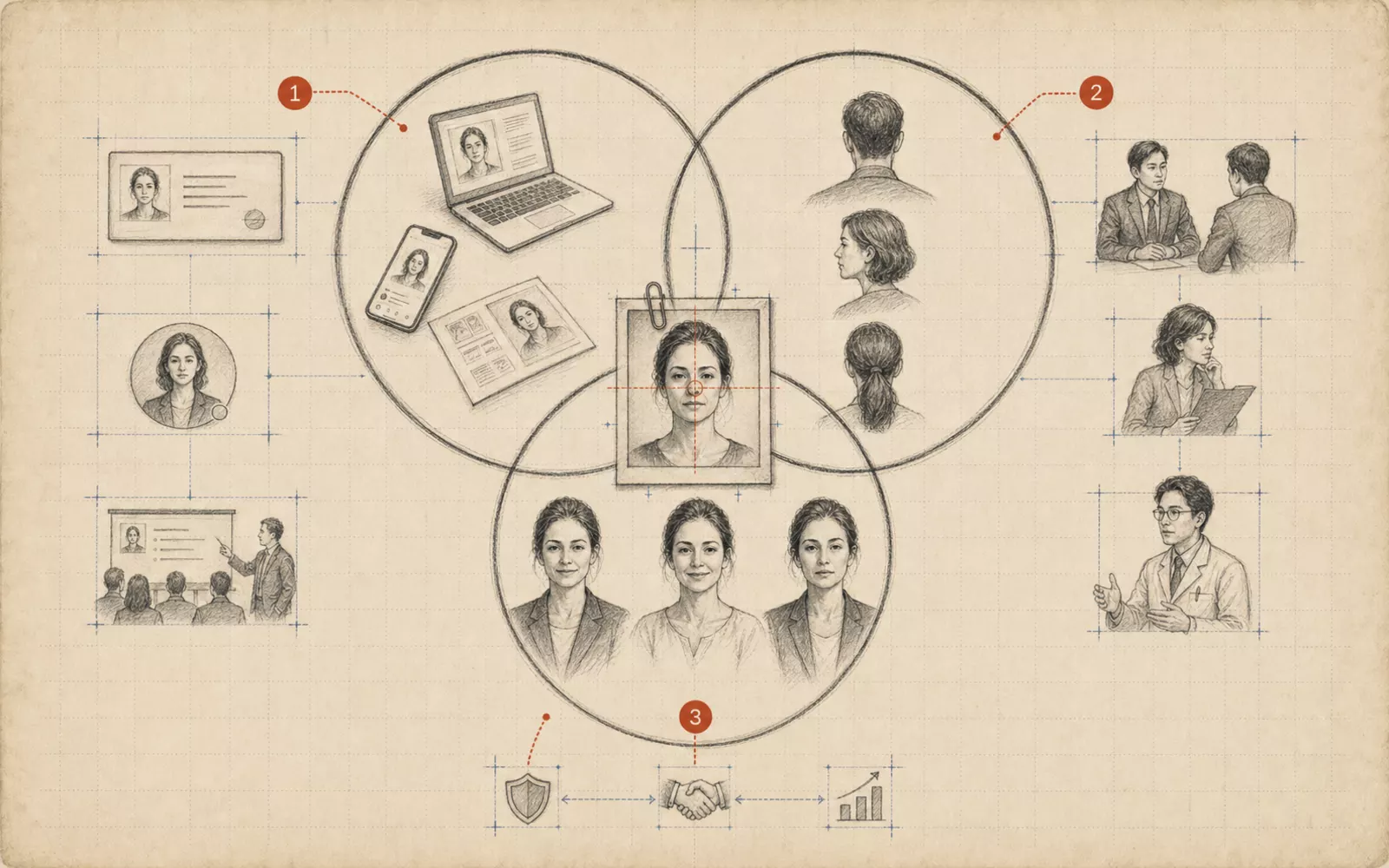 FIG.002Three Questions to Ask Yourself Before a Profile Photo ShootWhere will it be used, who will see it, and what impression do you want to make? The three questions to settle before the shoot.
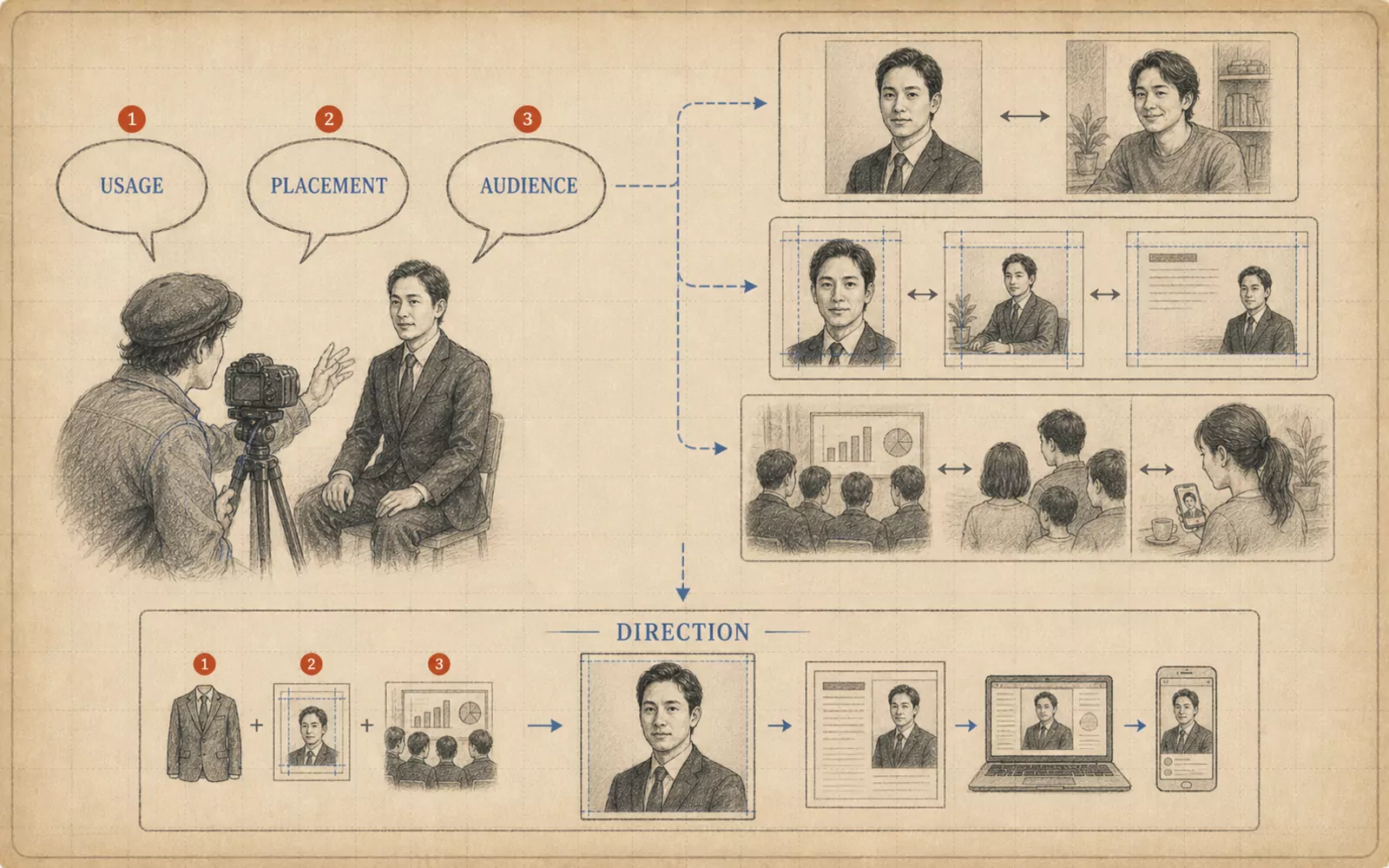 FIG.0803 Questions to Ask Your Photographer FirstA great profile photo starts by asking about purpose, audience, and the impression you want to make.
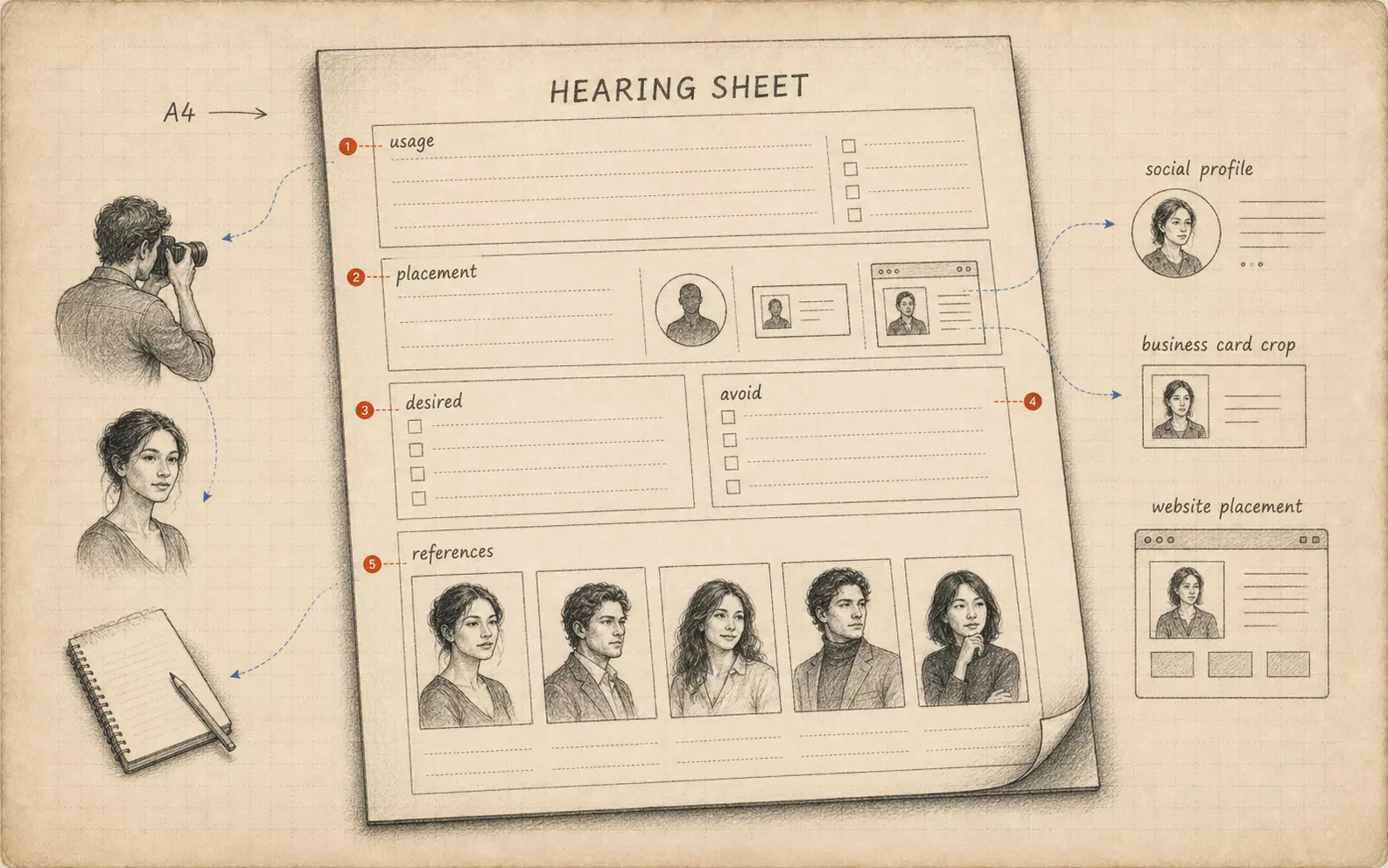 FIG.084Bring Your Own Briefing Sheet to the ShootWhen the subject brings a one-page summary of purpose, audience, and desired impression, the shoot aligns faster.