This Article Contains
Sharing Your Purpose Before the Photographer Asks
One of the most common problems in profile photo shoots is ending up with photos that look technically clean but don't fit the person's professional life. In most cases, the shoot moved forward without the purpose ever being shared.
When the photographer does ask, that is not a problem. But even in shoots where no briefing happens, you can share the purpose yourself. Writing three items on a single sheet of paper — or a phone note — and handing it over is enough to align the direction of the shoot.
This is not a sheet for micromanaging the photographer. It is a tool for handing over your purpose so that the technical decisions — light, distance, expression — remain in the photographer's hands. Once you have shared the goal, you trust the photographer to handle the craft.
Writing It Down Changes the Conversation on the Day
When you have written it down in advance, the conversation on the day of the shoot can start from purpose. "Here's what I'm using it for," "here's who will be seeing it," "here's the impression I want to create" — stating those three things allows outfit, background, and expression decisions to all be worked back from your goal.
Writing it also clarifies your own thinking. You might feel you "want to seem approachable," but when you actually try to write that down, you notice that "approachable to job candidates" and "approachable to clients" require different things. The act of writing surfaces how the strength of a smile or the formality of clothing should shift depending on the viewer.
The written note is also useful when selecting photos. Rather than choosing only based on the expression you like, you can use it as a standard: "Does this photo match what I wrote at the start?" When you feel uncertain after delivery, returning to the note makes the decision easier.
FIG. 084A diagram showing the flow of sharing shoot purpose through a briefing sheet.
The Three Things to Write on a Briefing Sheet
Three items are sufficient: "Where it will be used," "Who will see it," and "The impression I want to make" — one sentence each. Something like "Company team page and LinkedIn," "Job candidates and business partners," and "Trust 70 / approachability 30."
It also helps to note the impressions you want to avoid. "I don't want to look intimidating or unapproachable." "I don't want to look like I'm trying to look young." "I don't want a heavily retouched look." Putting these into words makes it easier for the photographer to adjust, because knowing what to steer away from is just as useful as knowing the target.
You do not need to write highly specific instructions — angles of the chin in degrees, or exact hand placement in centimeters. Posture and lighting are the photographer's domain. The briefing sheet's job is to share purpose and direction first; everything else follows from that.
Why Reference Photos Alone Don't Tell the Full Story
Bringing reference photos to a shoot is a good idea, but arriving with a large pile of them without context can create confusion. "I like this photo" is communicated clearly; "why I like it and what I need the photo to do" is not.
When using reference photos, narrow to two or three and attach a reason to each. "The framing gives blank space that works on a business card." "The eye direction feels gentle and approachable for consultation contexts." "The background brightness matches the site I want to use it on." Reasons tied to purpose communicate intent in a way that raw preferences cannot.
You do not need to look like the person in the reference photo. Reference photos are examples for conveying specific elements — composition, brightness, expression intensity, amount of blank space. The goal is to extract the elements that serve your purpose and communicate those, not to imitate someone else's look.
A briefing sheet is the page you hand over so you can entrust the technical work — while keeping the purpose yours.
How to Hand It Over and Use It for Photo Selection
On the day of the shoot, hand over the note once introductions are done. Adding a brief "I put together some notes on my goals beforehand" signals to the photographer that they can understand your direction from the start and prepare accordingly.
During the shoot, keep the note's contents in mind as things progress. Check whether the photographer's direction is tracking with your stated purpose. If you feel the session has drifted, you can ask: "Are we still working toward the impression I mentioned in that note?"
When selecting photos, return to the same note. Before you start choosing from the delivered images, read back through the three items. When the expression you like most and the expression that fits your purpose are different photos, for professional use, prioritize the latter. Having the note gives you one consistent standard — "Does this fit my purpose?" — to narrow the candidates.
- Bring a note with three items written down: where the photo will be used, who will see it, and the impression you want to make. Hand it to the photographer before the shoot starts to align your goals.
- Narrow reference photos to two or three, and attach a purpose-based reason to each rather than just saying you like them.
- When selecting photos, return to the same note and use "does this fit my purpose?" rather than "do I like this expression?" as your primary criterion.
Related Diagrams
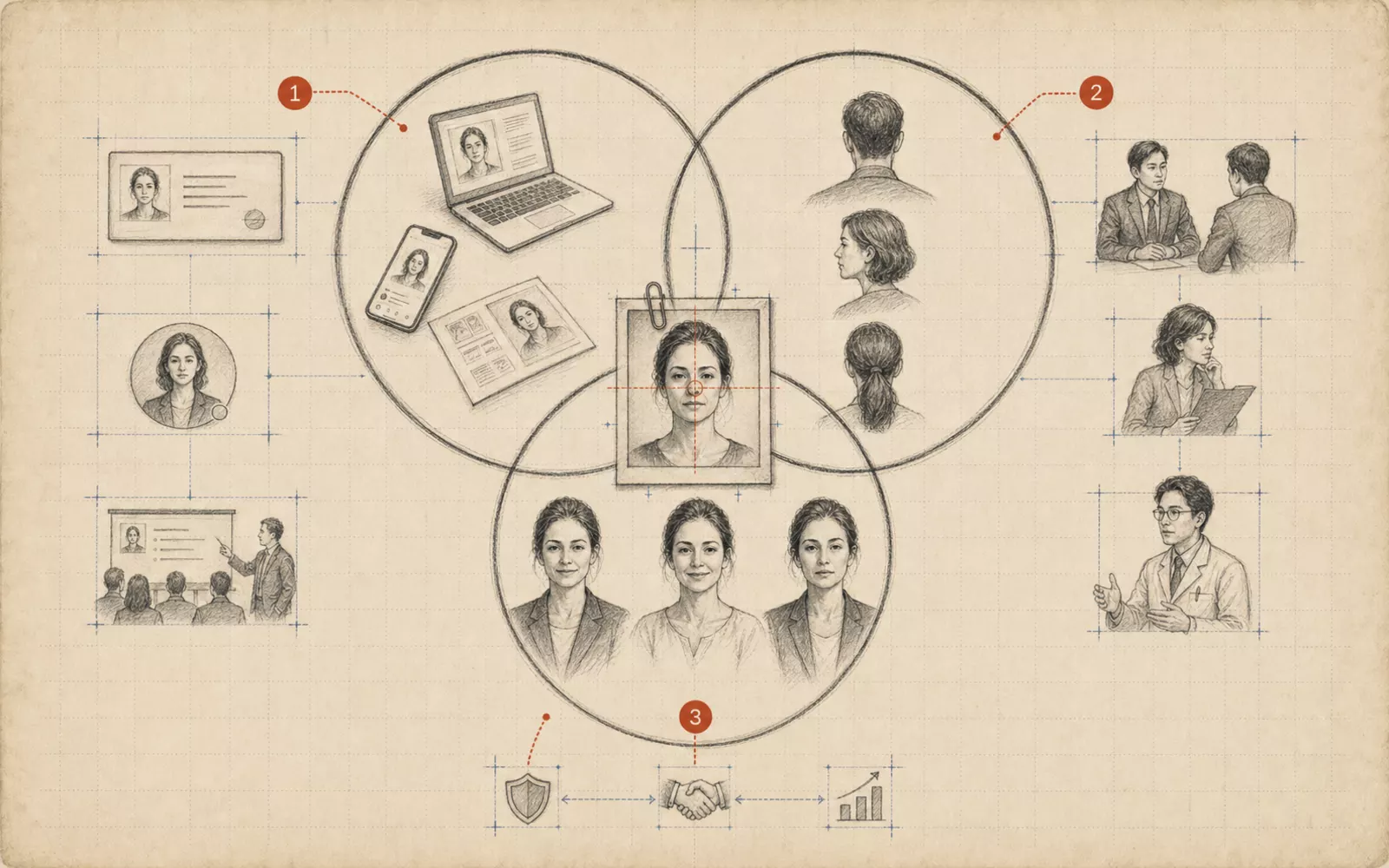 FIG.002Three Questions to Ask Yourself Before a Profile Photo ShootWhere will it be used, who will see it, and what impression do you want to make? The three questions to settle before the shoot.
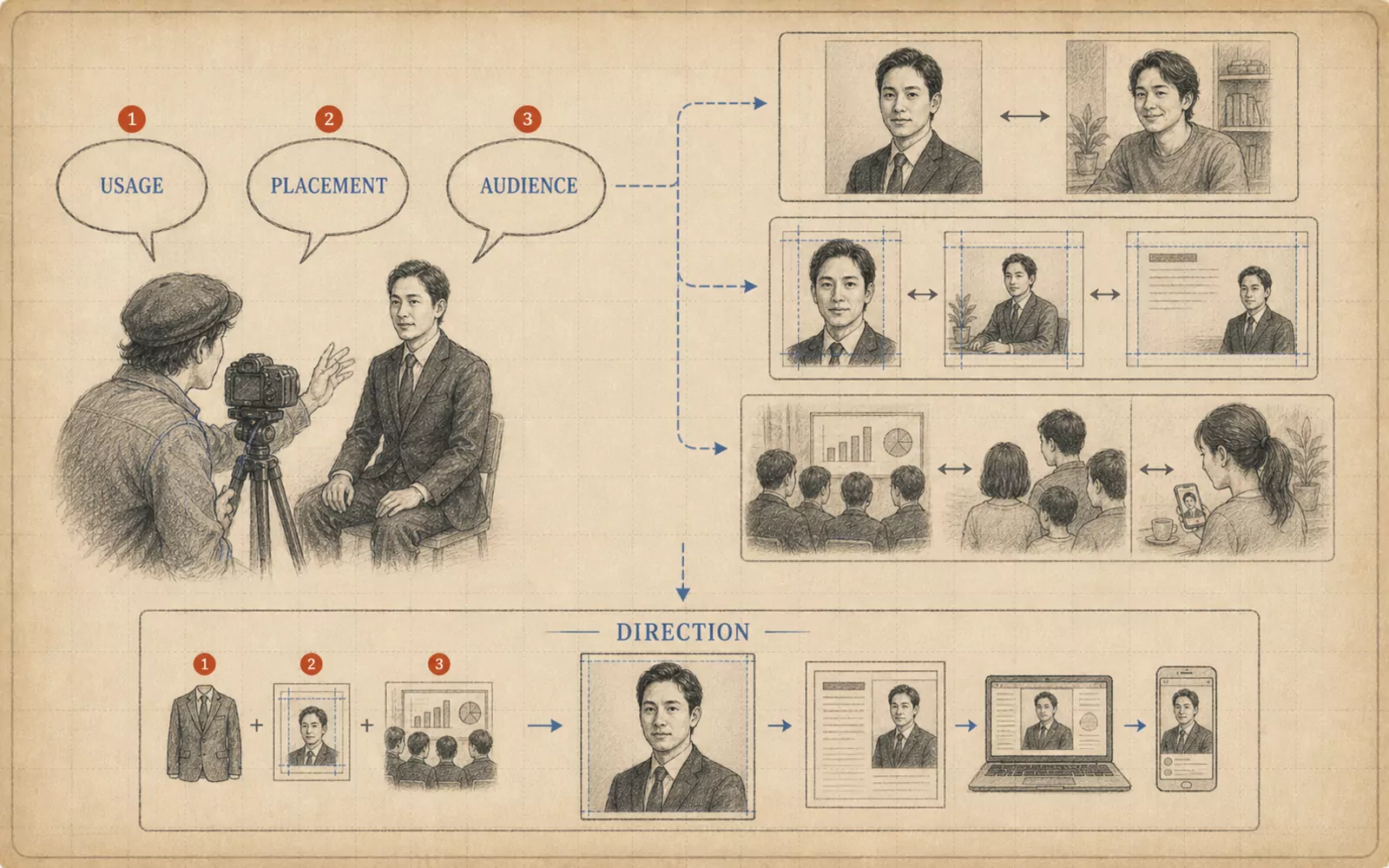 FIG.0803 Questions to Ask Your Photographer FirstA great profile photo starts by asking about purpose, audience, and the impression you want to make.
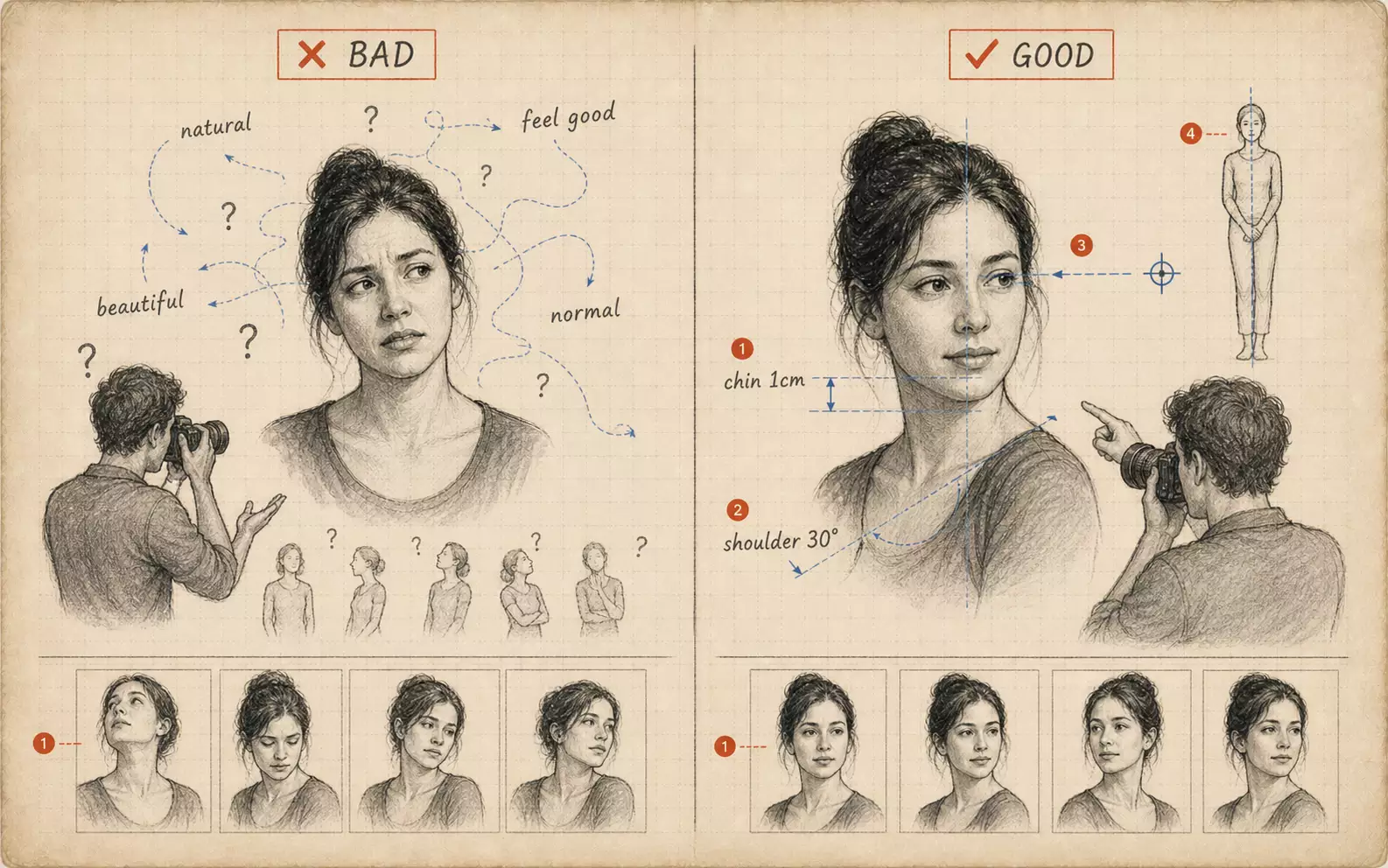 FIG.083Vague Direction Leaves You With Nowhere to Move"Just look natural" tells you nothing about how to move your body. Good direction names the part and the amount.