This Article Contains
Choose Your Smile Intensity Rather Than Hiding
The key to working with a gummy smile (a smile where the gums are easily visible) in photos is a shift in thinking: instead of "hiding," think "adjusting the amount of smile to suit the purpose."
In professional profile photos, a big smile is not always the right answer. Sometimes the goal is to project maximum approachability; other times, trustworthiness comes first. Decide how much to smile by working backward from where the photo will be used.
A good benchmark is a smile where about 3mm of the upper front teeth are visible. The more the lower teeth and gums show, the more intense the smile becomes — but you do not need to go that far for a photo to read as expressive. That 3mm mark is the sweet spot where you can project both approachability and composure while keeping the smile intensity in check.
The Right Amount of Smile Depends on the Context
The ideal smile intensity for a profile photo varies depending on where it will be used.
If you want recruiters or first-time clients to think of you as "easy to approach," a slightly brighter smile works well. Even if your teeth are visible, a natural expression reads as approachable.
For profiles in law, medicine, or executive roles, the priority is often to project "trustworthy expert" as the first impression. In these cases, keeping the smile a little more subdued — just enough to show the upper front teeth modestly — keeps the warmth while preserving the sense of trust.
Visible gums are not inherently a problem. What matters is whether the smile intensity is aligned with the impression you want to make on the viewer.
FIG. 013A diagram mapping the balance between smile intensity, trustworthiness, and approachability. The top row shows a "strong smile"; the bottom row shows a composed smile with about 3mm of upper front teeth visible.
Selecting Photos: Balance Approachability and Trust
When reviewing candidate photos, do not sort them by smile size — sort them by how well they suit the intended purpose.
For a recruitment page, the criterion is "approachability." For a legal professional profile, it is "composure." For a trainer or instructor profile, it is "the right balance of accessibility and expertise."
Even with the same face and outfit, a different smile intensity changes the impression. Viewing them side by side makes it much easier to see "how much smile works for my specific use." Keep plenty of candidates (at least 5–10) and select later with fresh eyes — that makes the decision easier.
Why Trying to Hide Makes Your Expression Stiffen
A common problem on set is that focusing too hard on "not showing the gums" causes the mouth area to freeze. When your attention is directed toward hiding, tension flows into your lips and the entire expression tightens.
When this happens, even if the mouth is somewhat closed, the resulting photo ends up looking expressionless or stiff. The anxiety about showing your smile spreads across your whole face.
The fix is to swap the direction from "hide" to "adjust the amount of smile." "Please keep your gums from showing" is harder to act on than "I'd like just a little of the upper front teeth to be visible" — the latter gives your body something specific to work with.
Choosing a smile intensity that suits the purpose produces better photos than trying to hide.
How to Communicate and Adjust During the Shoot
Before the shoot, decide internally how much of your upper front teeth you want to show. Replacing "hide the gums" with "just a little bit of the front teeth showing" helps the muscles around your mouth relax.
If your smile becomes too intense during the shoot, rather than closing your mouth completely, dial the smile back slightly — that keeps the expression from freezing. Imagine starting from a big smile and slowly releasing about 30–40% of the effort.
Tell the photographer "I'd like a smile where just a little of my upper front teeth shows" — that is specific and easy for them to guide you toward. Framing it as "how much of the front teeth to show" is more actionable for both of you than "I want to hide my gums."
After delivery, check the balance of approachability and trust in the actual context where the photo will appear. Rather than picking the photo with the biggest smile, ask yourself "Would I want to introduce myself to someone new with this expression?" — that question leads you to the right choice for the purpose.
- A gummy smile is not a flaw to hide — it is a matter of adjusting the amount of smile to suit the purpose.
- A smile that shows about 3mm of the upper front teeth is a practical benchmark for professional photos that balance approachability with trust.
- Saying "keep it to just a little of the front teeth showing" instead of "hide the gums" helps prevent the expression from stiffening.
Related Diagrams
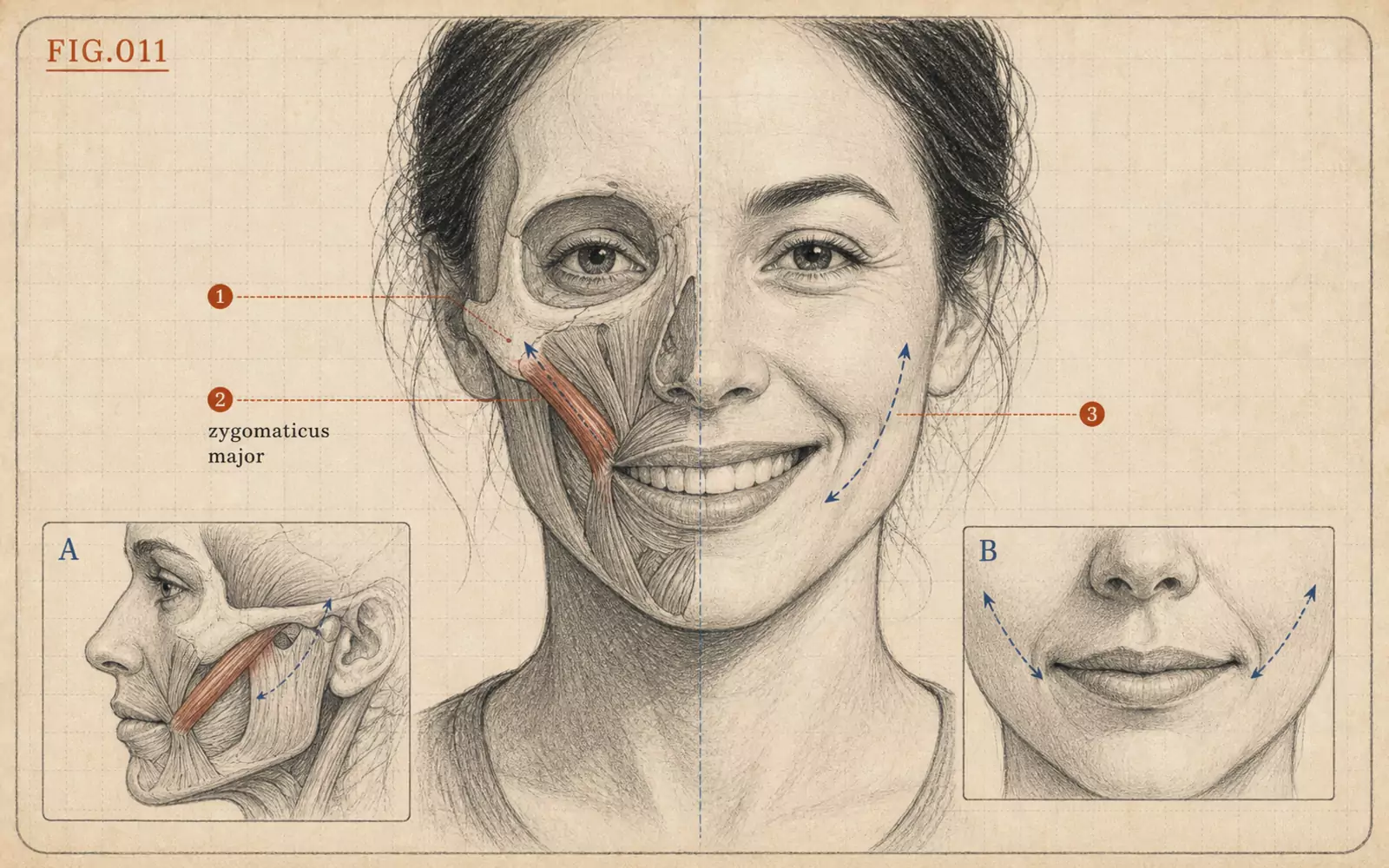 FIG.011Build Your Smile from the Cheekbone Muscle, Not the MouthA smile is made by lifting the cheeks below the eyes, not by pulling the corners of the mouth sideways. Showing about 3mm of the upper front teeth is the benchmark for professional photos.
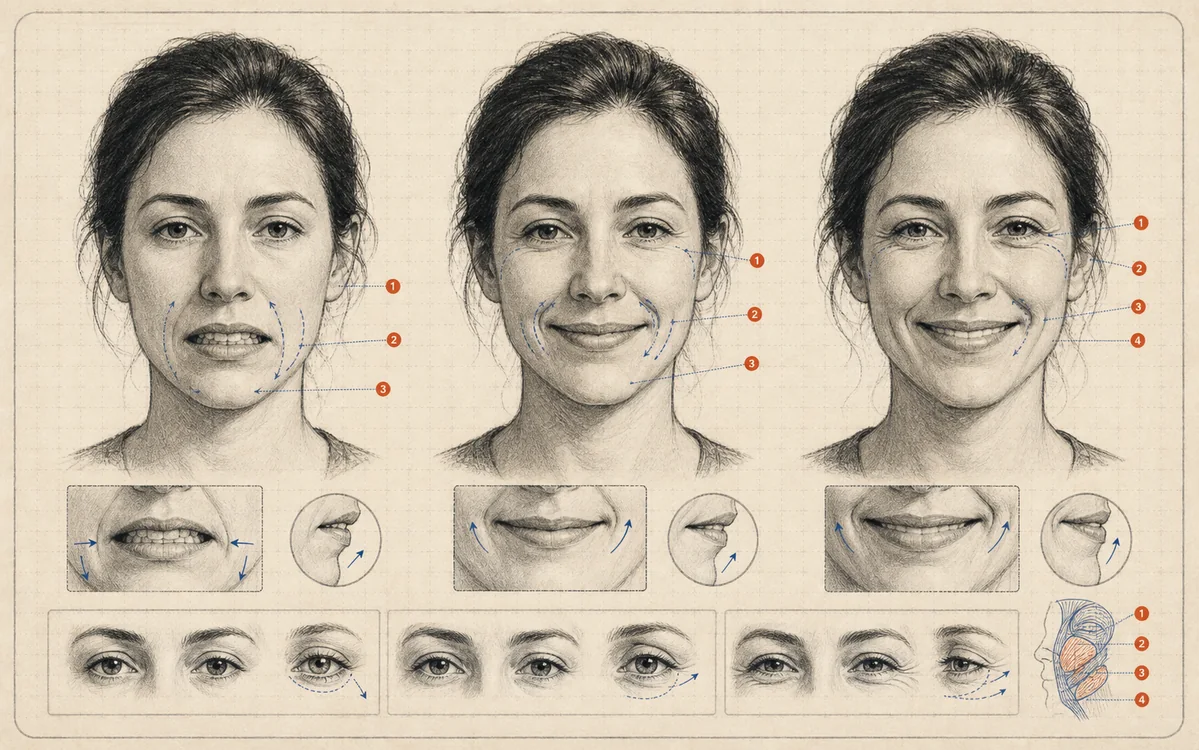 FIG.012Why "Say Cheese" Freezes Your ExpressionA smile is not just a matter of mood — it is shaped by the cheekbone muscle, 3mm of front teeth, and finding the right moment to release the tension.
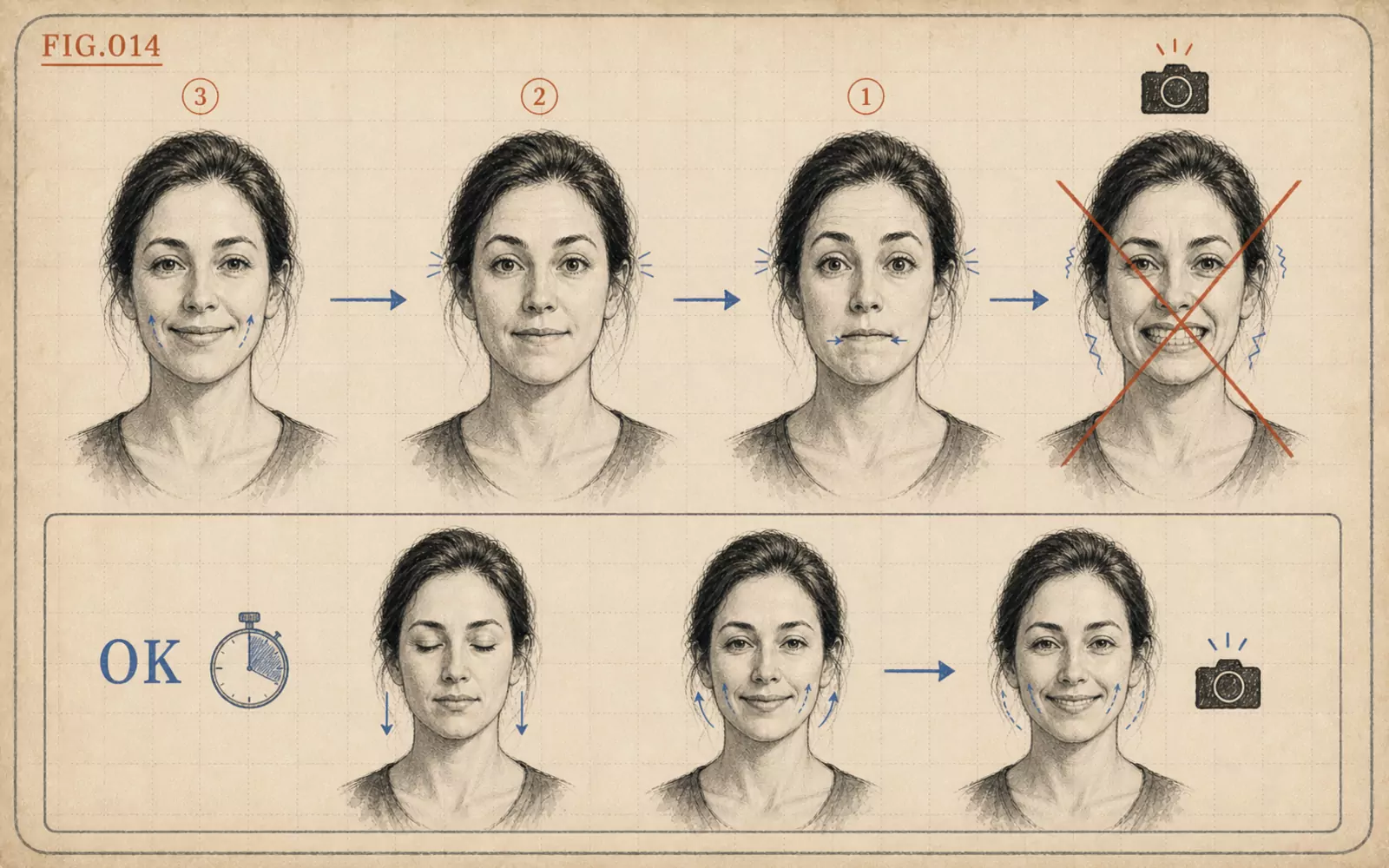 FIG.014The Countdown 3-2-1 TrapThe moment of 3-2-1 is when tension peaks. A natural smile often appears just after, when the effort releases.