This Article Contains
Why Changing Distance Changes the Shape of Your Face
When the distance between camera and subject changes, so does the apparent size difference between near and far elements in the frame. The closer the camera, the stronger that near-far contrast; the farther away, the weaker it becomes. This is called perspective.
Applied to a face: shoot up close and features nearest the camera — the nose, the cheekbones — appear larger, while features farther away — the ears, the jaw — look proportionally smaller. Shoot from farther back with a medium telephoto and this difference shrinks, letting each facial feature appear closer to its real-life proportion.
The same face, the same expression, can look strikingly different depending on distance alone. When a profile photo has something slightly "off" about the face, in most cases it is a matter of shooting distance and lens choice, not expression.
A Prominent Nose Is a Lens Problem, Not a Face Problem
A wide-angle lens (roughly 24–35mm) used close to the face tends to emphasize the nose. Because the tip of the nose is the point closest to the camera, the perspective exaggeration is strongest there. The cheeks may also appear to spread wider than they do in person.
The front-facing camera on a smartphone is equivalent to approximately 24–28mm. Because your arm can only extend so far, the close-range wide-angle effect is unavoidable in selfies — making the face look larger is a consequence of optics, not your actual appearance.
In photo studios, wide-angle lenses are sometimes used close-up because a large strobe setup in a tight space leaves little room to back away. When equipment constraints determine the lens and distance, checking sample shots in advance is the best way to know what to expect.
FIG. 081A diagram showing how lens focal length and shooting distance affect facial proportions and background rendering.
What Changes Between 24mm, 50mm, and 85–135mm
24mm sits at the stronger end of wide-angle. At close range, trying to fill the frame with a face produces pronounced perspective distortion in the nose and cheeks. It is sometimes used in indoor studios or confined spaces.
50mm is the standard lens, and its rendering is often described as close to what the human eye sees. It tends to look relatively natural, though at close range a small amount of distortion can remain.
85mm to 135mm is the range used for medium telephoto portrait work. When there is enough room to back away, facial proportions look most settled and lifelike. The background also blurs more smoothly, letting the subject stand out clearly. Using 135mm for full-length shots requires meaningful depth in the space — the camera may need to be several meters back (see FIG.082).
What to Look for in a Photographer's Sample Shots
When reviewing samples before booking, don't stop at how blurred the background is. Also check facial proportions — the apparent size of the nose, the width of the cheeks, the perceived distance between the ear and cheek. If many samples show the nose prominently pushed forward, that suggests wide-angle close-range shooting.
Camera height is another checkpoint. When the lens is below eye level, the lower face and neck tend to appear wider. Eye-level or slightly above tends to be the most flattering angle for facial shape.
If the portfolio includes both full-length and half-body shots, check both. If the feet look unnaturally small in the full-length shots, that may be a sign of wide-angle close-range shooting.
A camera that is too close can alter facial proportions without changing a single thing about your expression.
What You Can Confirm Before and During the Shoot
When reviewing samples before booking, consciously ask yourself: "Do the facial proportions look settled?" and "Is the nose or cheek pushed forward?" If multiple samples raise concerns, try asking in your inquiry: "How far away do you typically stand when shooting?"
During the shoot, if you feel the camera is very close, say: "Could you try a shot from a bit farther back?" Communicating in terms of distance is easier than specifying a focal length. Photographers usually understand the intent and adjust accordingly.
After delivery, if something feels off in certain photos, compare them with other shots from the same session. If there are both close-distance and farther-distance frames, comparing the proportions across them can tell you where the difference comes from.
- The closer a wide-angle lens gets to your face, the more features nearest the camera — nose, cheeks — are emphasized. This is a lens-and-distance issue, not a facial feature issue.
- Shooting from farther back with an 85–135mm lens helps preserve natural facial proportions.
- When reviewing sample shots, check facial proportions and apparent shooting distance, not just background blur.
Related Diagrams
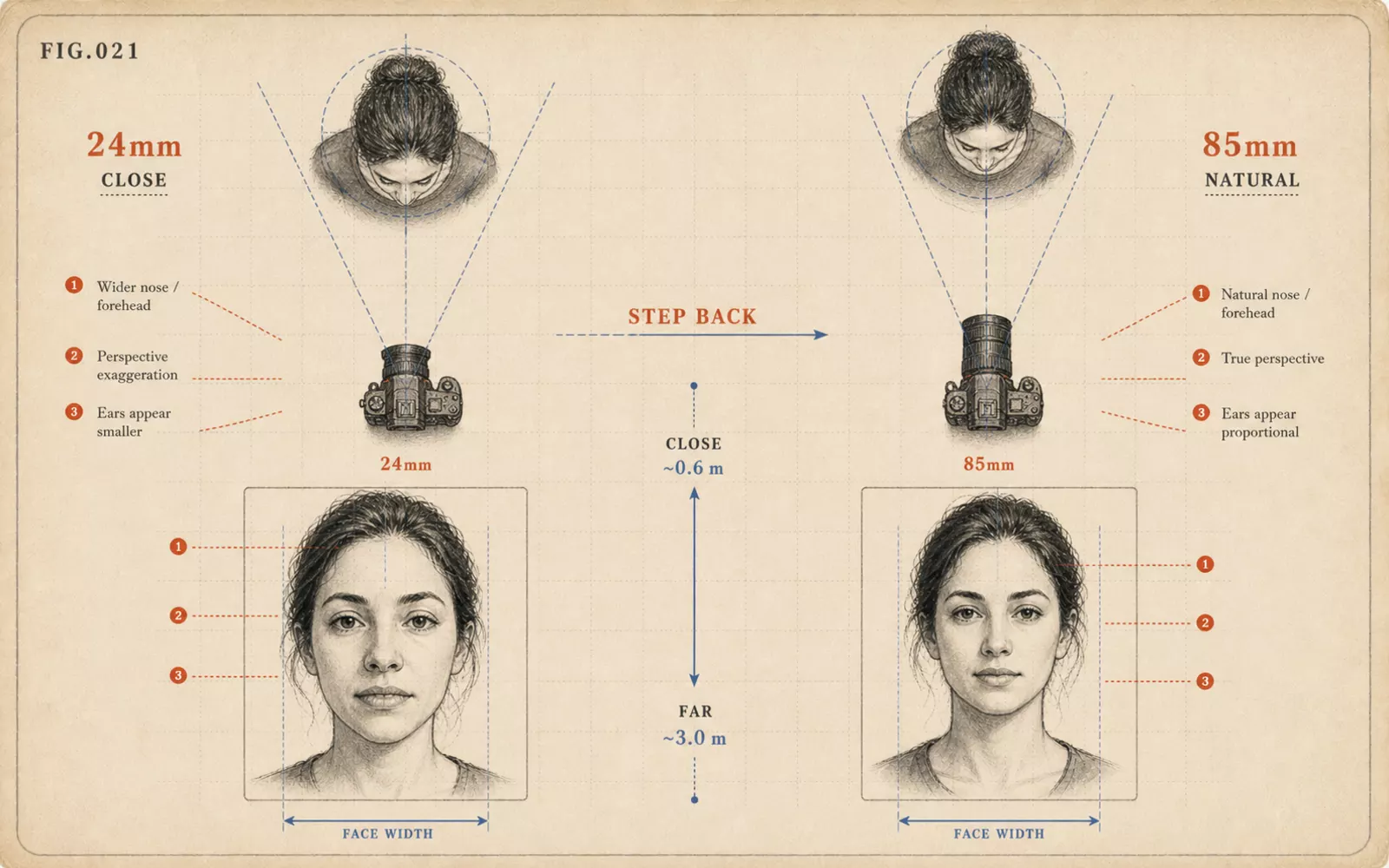 FIG.021The Courage to Ask the Photographer to Step BackWhen the camera is too close, the face is captured large and distorted. The case for 85–135mm with distance over 24mm up close.
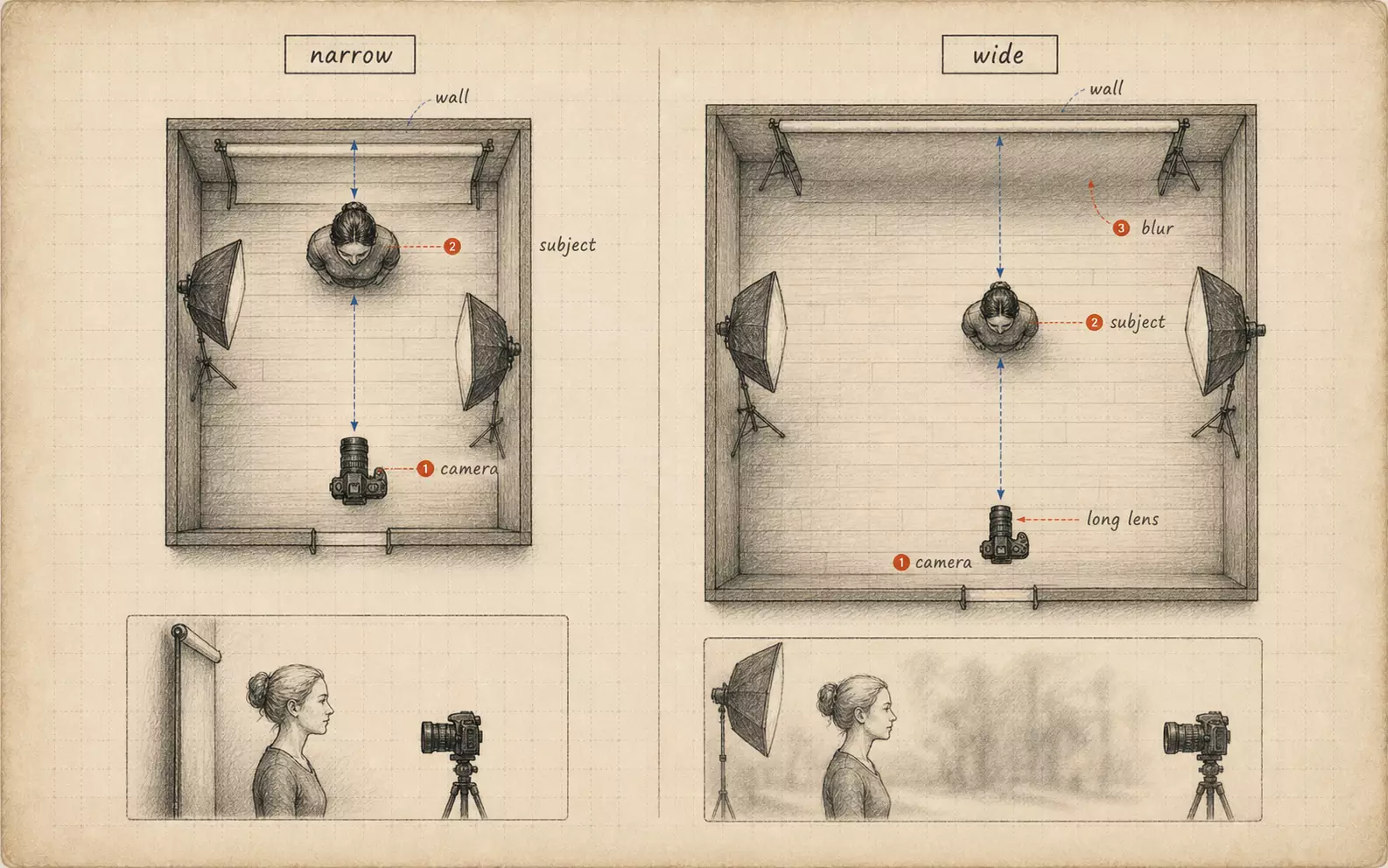 FIG.082What Studio Size Actually ChangesA studio with more depth lets the camera step back, making it easier to preserve natural proportions in face and body.
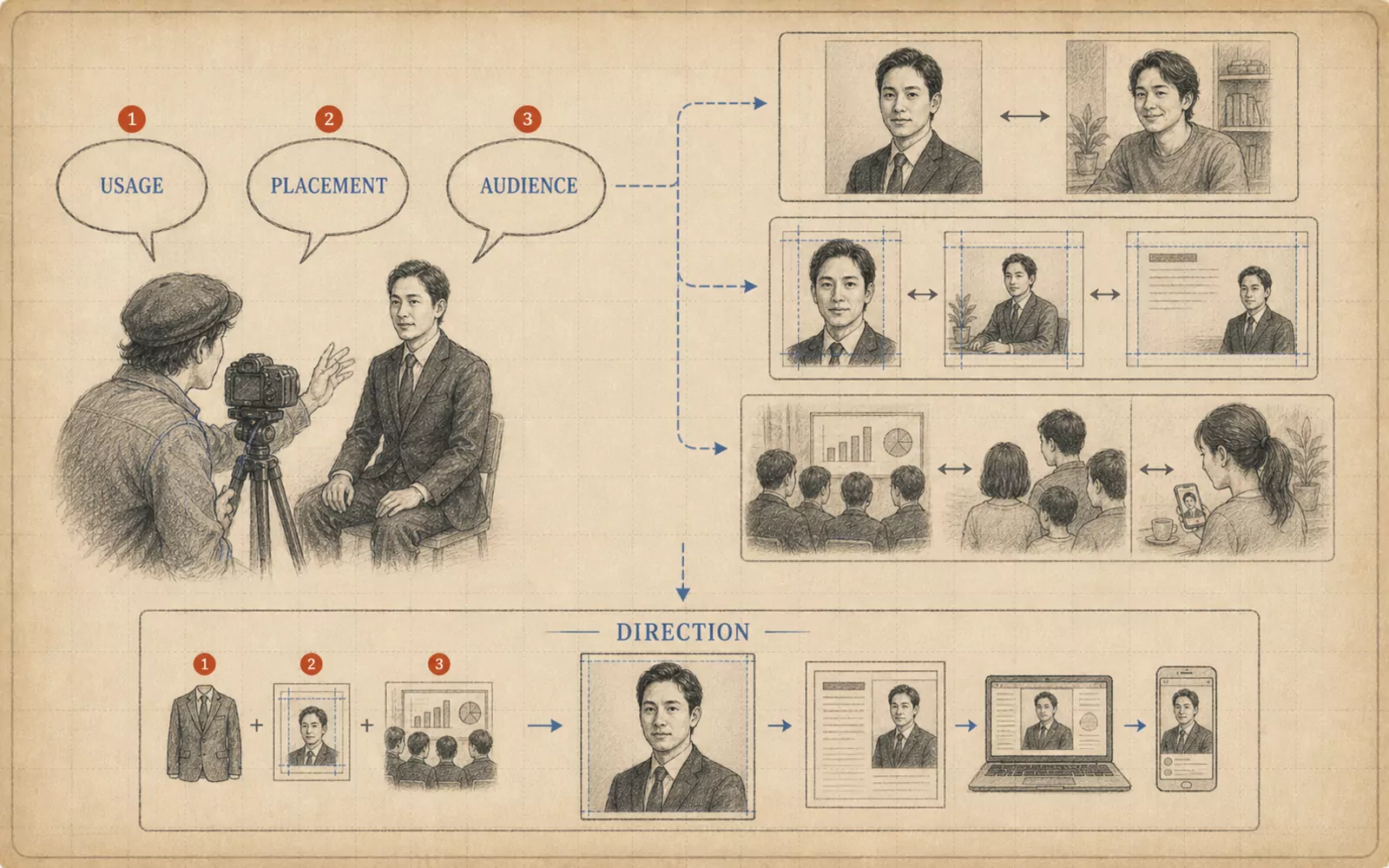 FIG.0803 Questions to Ask Your Photographer FirstA great profile photo starts by asking about purpose, audience, and the impression you want to make.