This Article Contains
The night before: reduce decisions, not add preparation
Anxiety the night before a shoot often appears as a feeling of "not enough yet." You might lie awake thinking you should have done more skincare, or that you haven't practiced your expressions enough.
However, information and practice added the night before make decision-making heavier on the day. On the morning of the shoot, extra mental load kicks in: "I need to check that again," or "I have to remember what I tried last night." In photography, the clearer your head, the more relaxed your expressions become.
There is one job for the night before: decide on your outfit, what to bring, and your questions for the photographer — and add nothing more. Getting tomorrow's uncertainty as close to zero as possible is the goal for the evening.
Fix only three things: outfit, essentials, and questions
For your outfit, choose your first option. Add one backup only if you are genuinely unsure. Having multiple choices means spending time and energy the next morning on "maybe this one after all." Lay out what you decided the night before with the commitment that you won't change it.
Keep your essentials to three items or fewer. A handkerchief, lip balm or hair spray for touch-ups, a note to hand the photographer — that's enough. Leave anything unrelated to the shoot at home.
Write your questions for the photographer in three lines or fewer. Use short phrases you can say out loud on the spot: "I tense up easily — please check in with me if I freeze," "I'd like to confirm the best eye level," "Could we get one shot from the side?" A short list you can actually say beats a long wish list you struggle to bring up.
FIG. 111A diagram organizing how to narrow down preparation to ease pre-shoot anxiety the night before.
What each of the three actually means
For your outfit, choose something you checked in the mirror beforehand and judged to be fine. Confirm the night before that it has no wrinkles, that the shoulder line reads well, and that the color won't blend into the background — then simply put it on the next day.
Write your essentials as a bullet list. Something like "Smartphone (for reference) · Wallet · Transit card · One note" placed beside your bag. Once written, don't keep rereading it. Create the mental state of "I wrote it down, so I'm fine" even when anxiety creeps in.
Choose one question based on your shoot purpose. "Which angle suits my use case?" "Can we leave more space around me in the frame?" "Can you pause for a moment if my expression freezes?" Write only the single most important thing. The more questions you add, the harder they become to raise on the day.
Common mistakes to avoid the night before
The most common mistake is adding new beauty routines or expression exercises the night before. Searching "what to do before a shoot" online and trying to practice right up until sleep adds more things you'll want to check on the day. Introducing unfamiliar steps the night before layers in the worry of "am I doing it right?"
Another mistake is repeatedly looking at old photos before bed. Going through them picking out flaws — "I hated this," "that was a problem" — makes your body more likely to arrive at the shoot in a tense state. Reviewing past photos should be done a few days before the shoot, not the night before.
Lying awake thinking "will tomorrow go well?" is also unproductive. Rather than trying to resolve anxiety, simply lying on your side with your eyes closed is rest, even if you don't fall asleep. There is no need to rush sleep.
The night before is not time to get closer to perfect — it is time to reduce tomorrow's uncertainty.
The morning of the shoot and the flow into photo selection
On the morning of the shoot, check the list you wrote the night before once, and that's it. Do not add anything further. Rather than spending a long time making expressions in the mirror, taking two slow deep exhales and letting your shoulders drop does more to settle your body for the day.
On the way to the shoot location, there's no need to check or practice anything. Listening to music or looking out the window — keeping your attention away from the shoot — puts you in a better state when you arrive.
When selecting photos afterward, return to the purpose you established the night before. Rather than choosing only by what you like, confirm "does this work in the context I wrote down?" A clear purpose makes the selection criteria clearer.
- The night before, reduce decisions rather than add preparation. Fix one outfit, three essentials, and three lines of questions — and add nothing more.
- Avoid adding new beauty routines or expression practice the night before. Unfamiliar steps increase what you need to check on the day.
- On the morning of the shoot, check your list and take two deep exhales. Nothing more is needed.
Related Diagrams
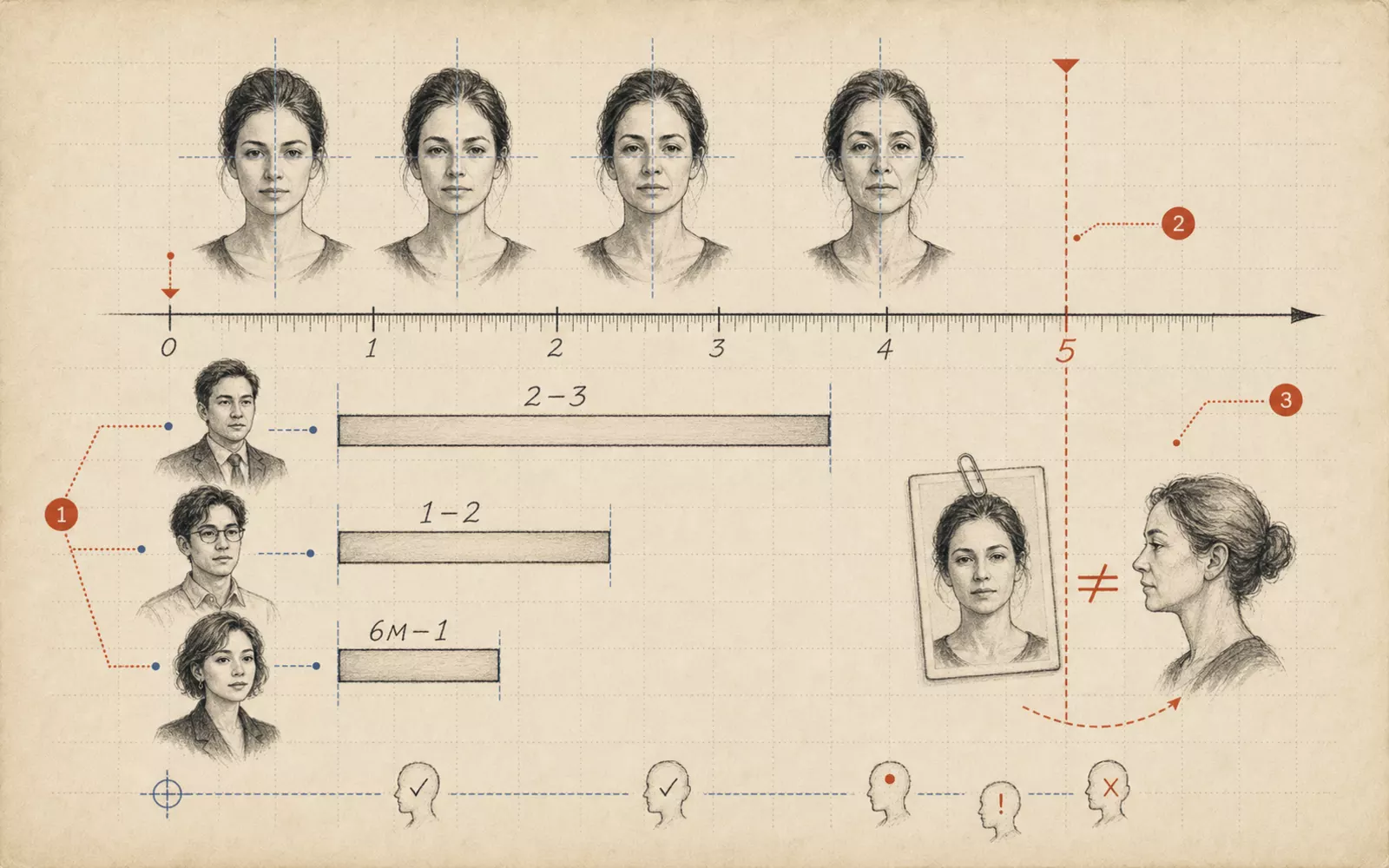 FIG.001Photo Shelf Life: When to Update by ProfessionProfile photos have a shelf life. The general guideline is every 2–3 years for executives, 1–2 years for IT startups, and 6 months to a year for hair stylists.
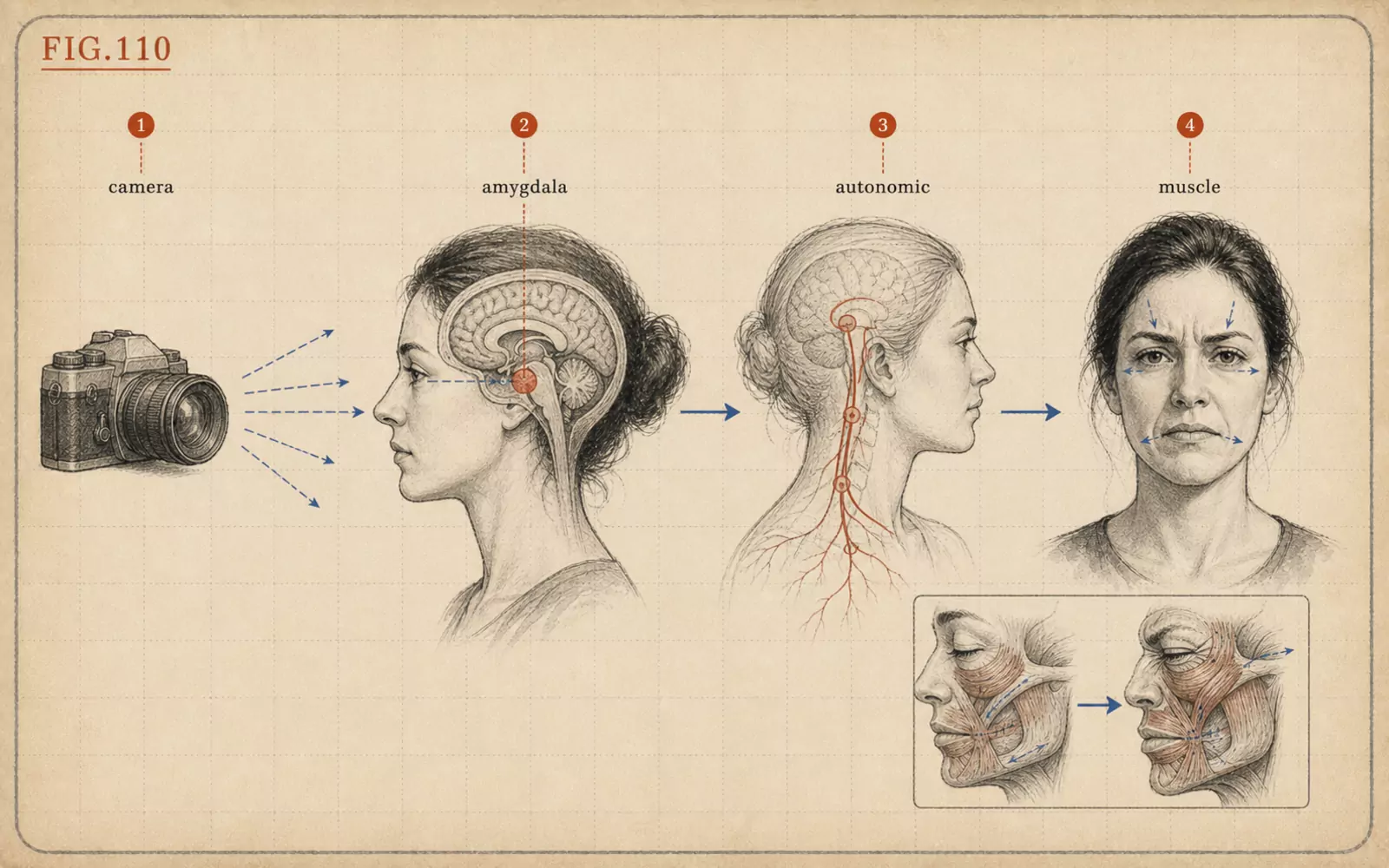 FIG.110The Nature of Camera Phobia: Why Your Body Freezes in Front of a CameraFreezing in front of a camera is not a failure — it is a physical defense response. Breaking it down into breath, shoulders, and gaze makes it easier to manage.
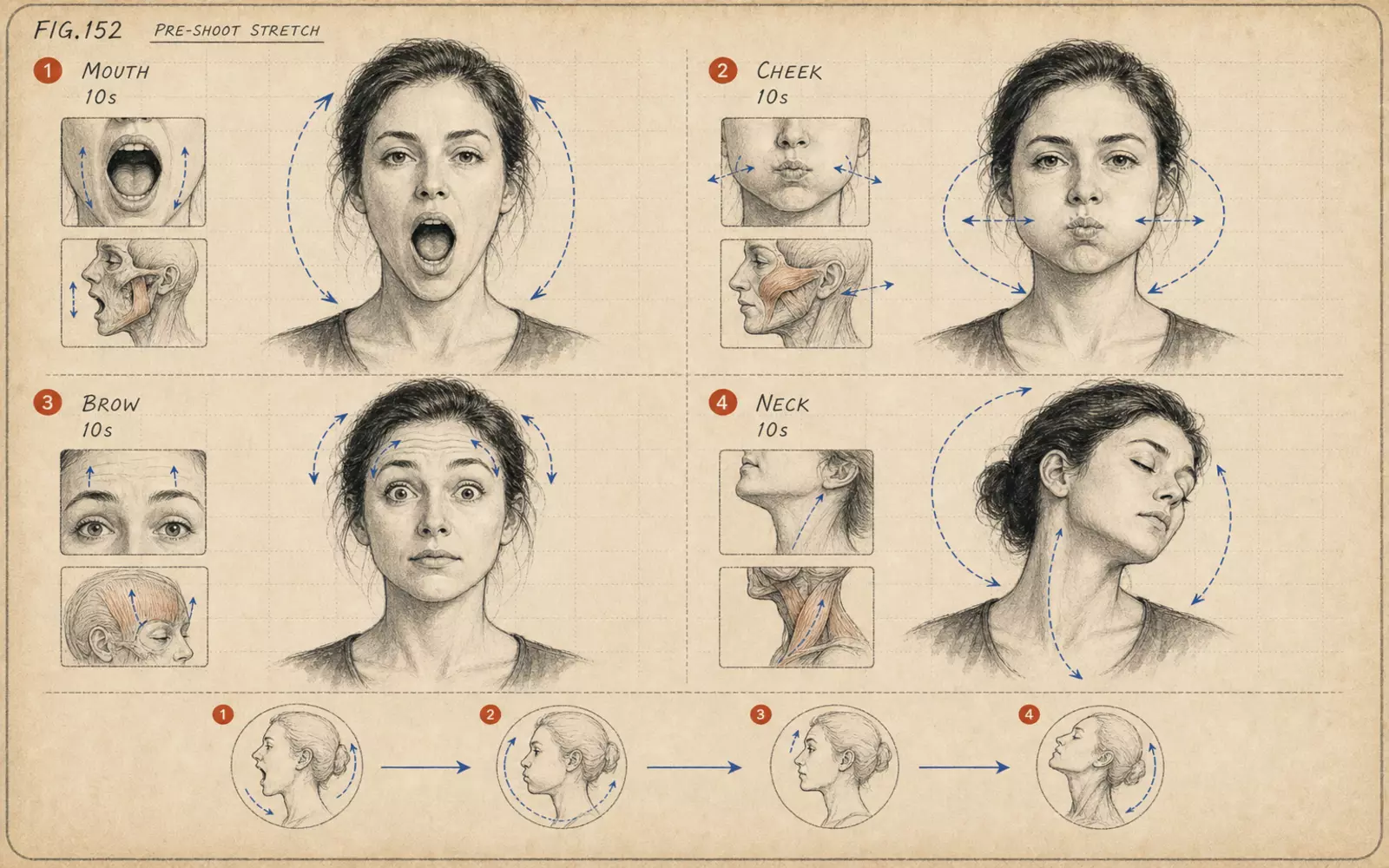 FIG.152Face Stretches You Can Do Right Before a ShootA short, quiet warm-up routine for getting your expressions moving right before a shoot.