This Article Contains
How a Bad Past Photo Makes the Next Shoot Feel Heavy
Many people who hate photos have a particular shot in their past where they thought, "Is that really what I look like?" When that photo is stored in memory as "proof of my face," it creates a prediction before the next shoot even begins — "I'll probably end up with another bad photo."
This prediction tenses the body in advance. Just thinking about that past shot can cause the shoulders to rise or the expression to stiffen. And when the resulting photo does come out stiff, it becomes another confirmation: "I really am bad at having my photo taken." This cycle is what keeps reinforcing the dislike of photos.
To break this cycle, it helps to shift the cause of that bad past photo from "my face" to "the conditions."
The Body Remembers Bad Memories
When people store an unpleasant experience, the body records it as a warning signal for when the same situation arises again. Having a camera pointed at you triggers the memory of that bad past photo, and the body's warning response causes the shoulders to rise and the expression to freeze.
This cannot be easily stopped by reasoning. Even telling yourself "today will be different," the body's reaction comes first. That's precisely why it's important to stop storing past photos as facial evidence. Re-storing a past photo as "a shot taken under those conditions that day" weakens the body's warning response.
The fact that "I felt uncomfortable seeing the photo" and the interpretation that "that's just what my face looks like" are two separate things. Until you identify the cause of the discomfort, keep the interpretation on hold.
FIG. 113A diagram organizing how a bad past photo affects the next shoot, and how to reframe it by separating out the conditions.
Reframing It as a Condition Problem, Not a Face Problem
Try naming one "cause" of a photo you disliked. "I looked dark and flat." "My face looked large." "My expression looked unnatural." Most of these stem from shooting conditions, not from your facial features.
"Looking dark and flat" is a problem of light direction (the face wasn't turned toward the light) or the absence of catchlights in the eyes (see FIG.061). "My face looked large" is a problem of close range and a wide-angle lens (see FIG.081). "My expression looked unnatural" may mean the direction wasn't specific enough (see FIG.083), or that the body had frozen from tension (see FIG.110).
All of these can be addressed by changing the conditions for the next shoot. There is no need to change your face.
Updating the Definition of "Someone Who's Bad at Photos"
An accumulation of bad past photos can solidify the definition: "I'm not photogenic" or "I'm someone who's bad at photos." This definition becomes a self-fulfilling prophecy, contributing to stiffness at every shoot.
When conditions change, photos change. The same face can produce completely different photos depending on distance, light, posture, and direction. A bad photo from the past is "the result under those conditions" — not "proof of what your face looks like."
Simply replacing "I'm bad at photos" with "I haven't been photographed under good conditions yet" changes your approach to the next shoot. Rather than trying to overcome it, it's more realistic to aim for changing just one thing in the next shot.
Stop using the past photo as evidence. Separate the conditions, and the next shoot can be different.
Change Just One Thing for the Next Shoot
In the next shoot, don't try to change everything at once. Change only one thing. Choose the single condition you feel was most responsible for the problem, and focus on changing only that.
Before the shoot, write it in one sentence: "This time, I'll check the direction of the light." "This time, I'll ask them to step back a little." "This time, I'll ask them to say something if I freeze up." Having one checkpoint keeps your focus from scattering during the shoot.
For photo selection, try placing the candidate photos in the actual context where they'll be used. Rather than viewing them in isolation, placing them where they'll actually appear — in a webpage profile section, or on a business card — makes it easier to judge whether they work. A single good shot has the power to slightly rewrite the memory of past bad photos.
- Hating photos is not a personality trait — it's reinforced by storing bad past photos as evidence of your face.
- Breaking down the cause of a bad photo into light, distance, posture, and selection reveals what can be changed next time.
- Change only one thing in the next shoot. Don't try to change everything at once.
Related Diagrams
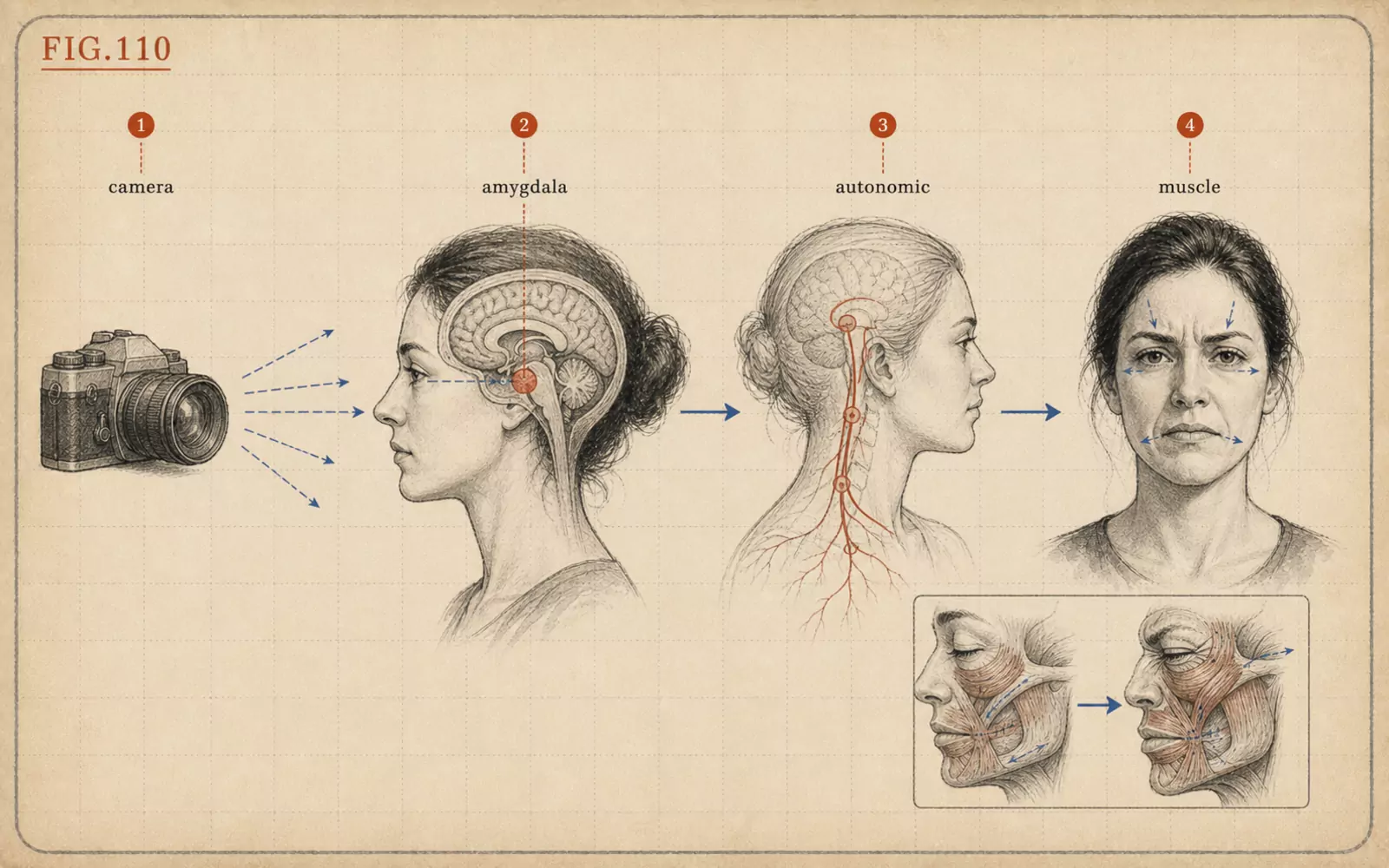 FIG.110The Truth About Camera Anxiety: Why Your Body Freezes When a Camera Is Pointed at YouFreezing in front of a camera is not a failure — it's your body's defensive response. Addressing breath, shoulders, and gaze separately makes it manageable.
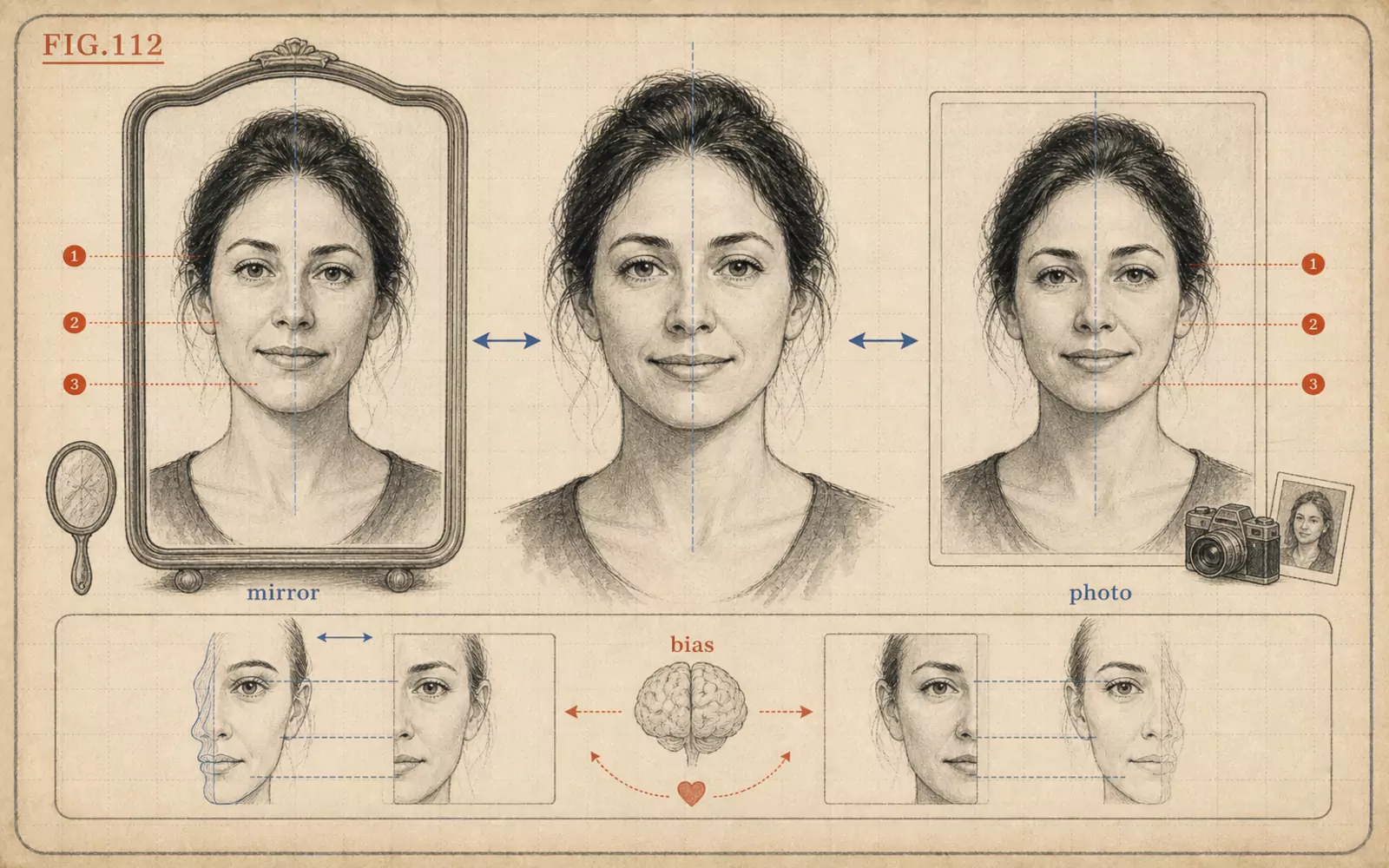 FIG.112If You Hate Your Face in Photos: Why Your Mirror Face and Photo Face Look DifferentThe reason your face looks different in photos versus the mirror is not that your face changed. It's the difference in familiar orientation and lens position.
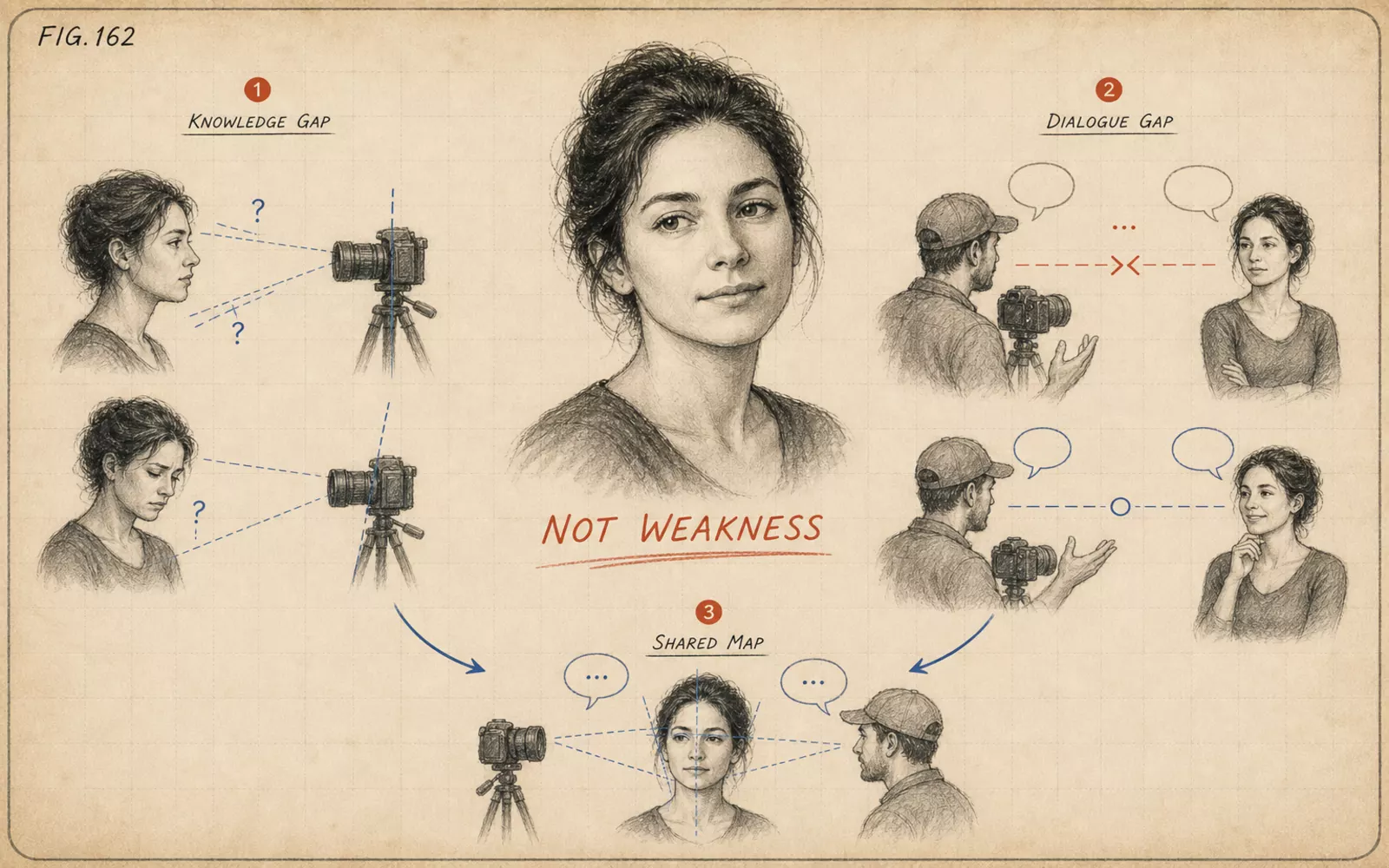 FIG.162The Philosophy of Eliminating Photo Aversion: Editorial Policy of A Field Guide to Being PhotographedWe reframe photo aversion not as a personal weakness but as something that arises from a lack of knowledge and a lack of communication.