This Article Contains
The difference between AI and real photos lies in "authenticity"
The gap between AI headshots and real photographs has become harder to spot just from skin or hair texture. Even so, the decisive difference lies in "authenticity" — the sense that the person in the photo was physically present, breathing, in that moment.
A real photo records the time of the shoot, the direction of the light, the creases in clothing, and the subtle quirks of expression. AI images have a tendency to push these fine details toward a smoothed, averaged state of polish. The result looks good, but the distinctly personal variation may be weakened.
Whether the impression from the photo aligns with the impression of meeting in person — authenticity is the foundation that supports that match.
What real photos capture, what AI images lose
A real photograph records everything about the conditions of the shoot. The warmth of the light, the texture of skin, the micro-movements of expression, the slight shift of the gaze, the characteristic tilt of the shoulders — none of these are noticeable enough to describe out loud, yet viewers absorb them unconsciously.
When these qualities are weakened in an AI image, what remains is the impression of "somehow different, despite looking put-together." The issue is not technical quality; it is the connection to the actual person. AI images attempt to create "a polished version of the person's face," but they may not be able to fully reproduce the quirks that belong only to that individual.
Conversely, this "averaging" can be useful in certain contexts. For advertising materials, placeholder mockups, or the stage of evaluating a visual direction, the cleanness of AI images is an asset.
FIG. 140An educational diagram for comparing AI headshots and real photographs on the basis of authenticity and use case.
Compare on authenticity and use case, not on polish
When comparing two photos, deciding on "which looks better" makes it hard to see whether they fit the purpose. The axes to compare on are authenticity and use case.
For a profile that leads to a first consultation, hiring, legal professions, speaking, or healthcare — contexts where aligning with the in-person impression is critical — a real photo is the baseline. The details of the real photo bridge the impression before meeting and the impression after.
When comparing visual directions, using a placeholder in internal materials, or evaluating the feel of an approach, AI images can be useful. At the stage of "still deciding," the ease of generating polished images translates into efficiency.
How an overly polished image creates awkwardness in person
A common mistake is choosing an AI image purely on visual polish. The more polished it looks, the larger the gap becomes when meeting in person — "the photo looked better" creates a disconnect that can work against trust.
Thinking "any real photo will be trusted" is equally mistaken. A dark photo, an old photo, or a photo that doesn't fit the context makes it hard to convey credibility even when it's real. What matters is not "is it real?" but "does it accurately represent me before we meet?"
Rather than asking whether it's polished, the check should be: "does it connect to who I am when we meet?" and "does it communicate what the viewer needs to know?"
The choice between AI and real photos should be based on authenticity and use case, not on how polished they look.
How to choose based on where you'll use the photo
Start by writing down "where will I use this photo?" Identity verification, hiring, speaking, consulting, an SNS icon, a placeholder in internal materials — naming the specific use case points you in the right direction.
Next, compare it against the impression of meeting you in person. Check whether the hair, sense of age, skin texture, and expression are not too far from who you are now. The question is not "does this look better than I do?" but "does this match who I am?"
Finally, consider whether the viewer is likely to feel anxious. In contexts where you want to ease the other person's uncertainty, a real photo close to who you are today is a stronger choice than an overly polished image. Conversely, at the stage of evaluating image directions, the ease of generating AI images accelerates discussion.
- AI headshots and real photos should be distinguished by authenticity, use case, and trust — not by how polished they look.
- Real photos record the fact of being present, physical habits, and fine details of light. AI images tend to average these out.
- For public-facing contexts where identity and trust are at stake, real photos are the baseline. For evaluation stages, AI images are a valid option.
References
Related Diagrams
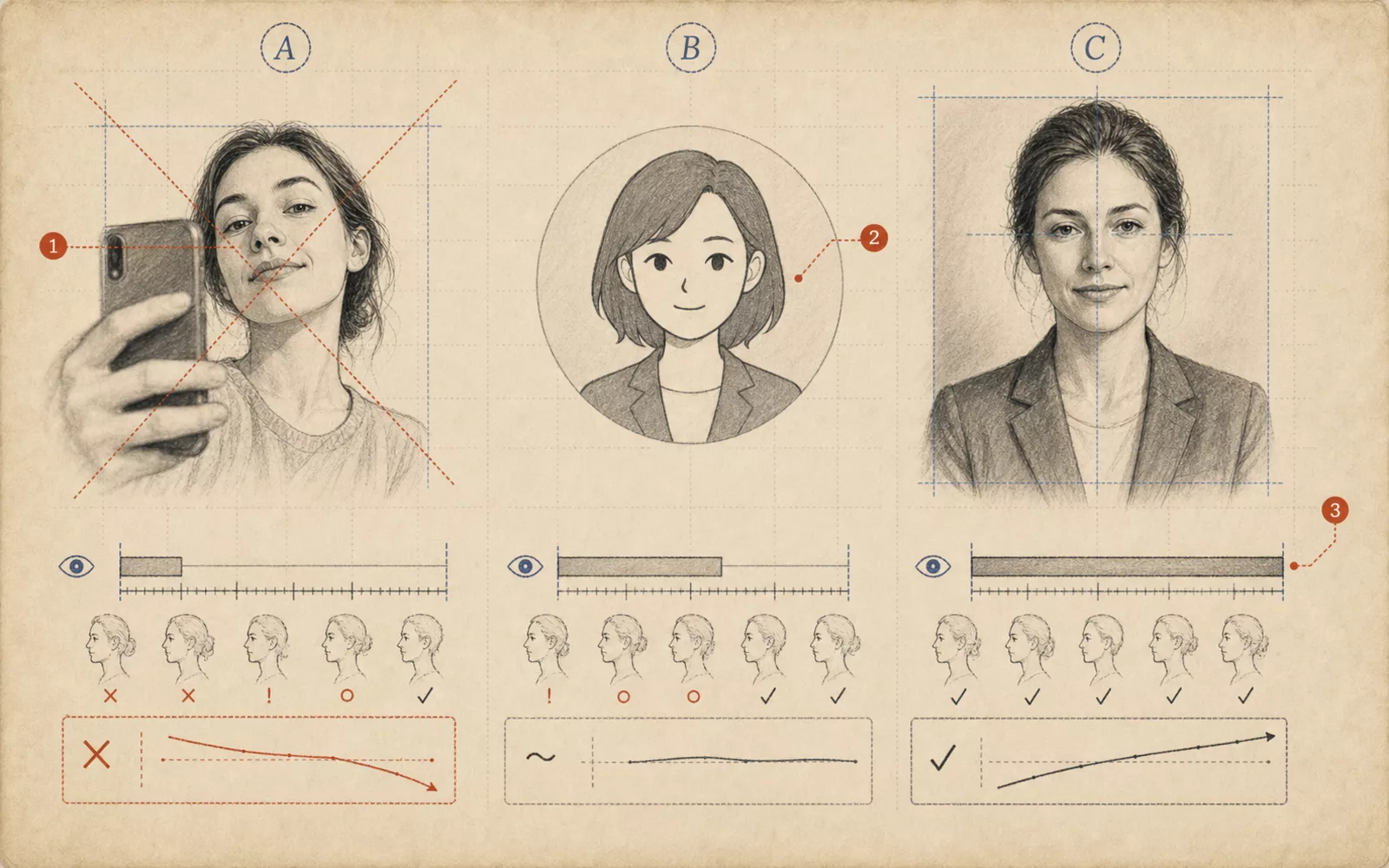 FIG.004Selfie, Illustration, or Professional Photo: How Trust ChangesSelfies, illustrations, and professional photos convey different levels of presence and credibility to viewers. This article organizes how to choose based on your use case.
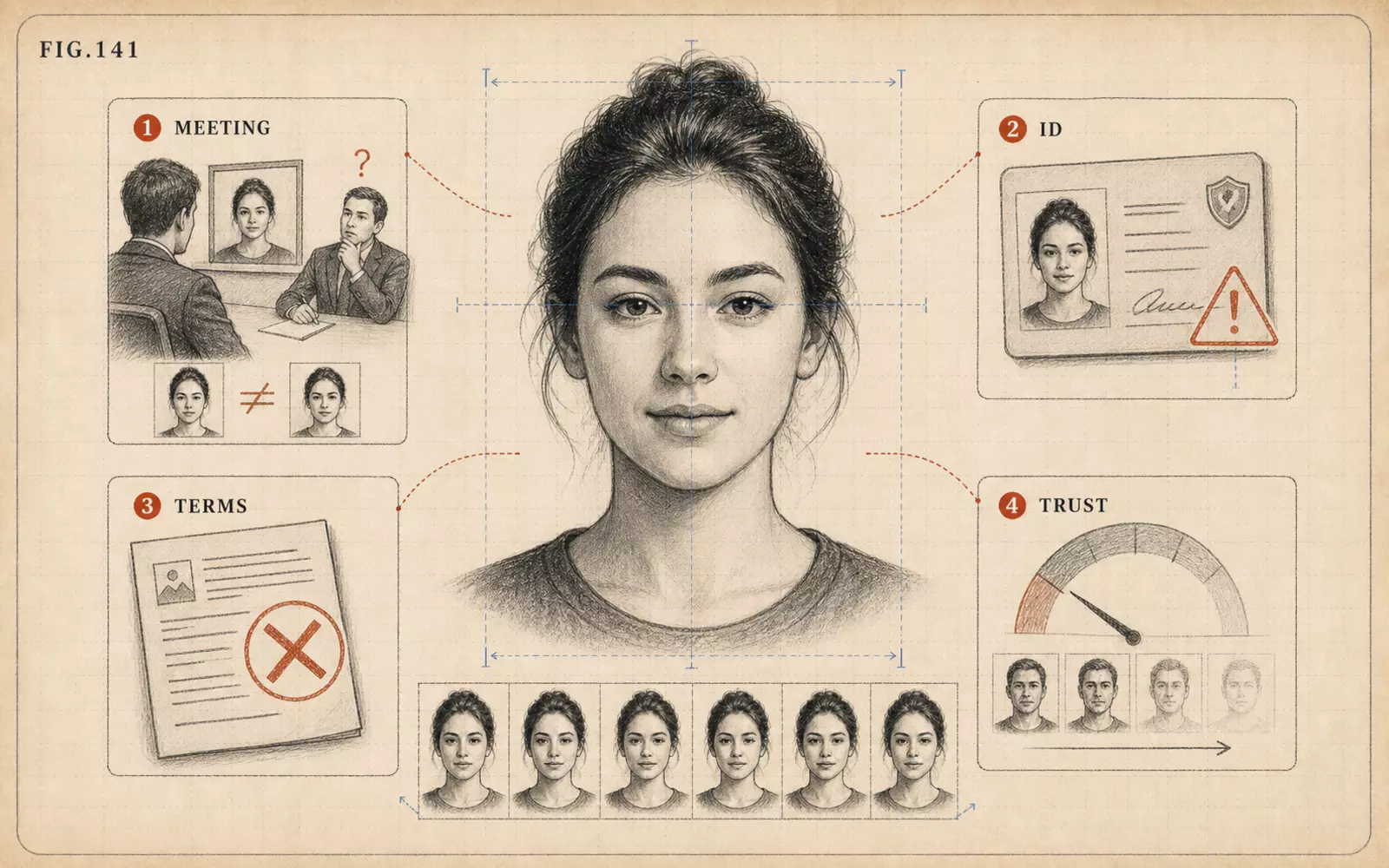 FIG.141The Risks of Using AI-Generated Profile PhotosThis article maps out the situations where convenient AI-generated photos can lead to awkwardness in person or weak identity verification.
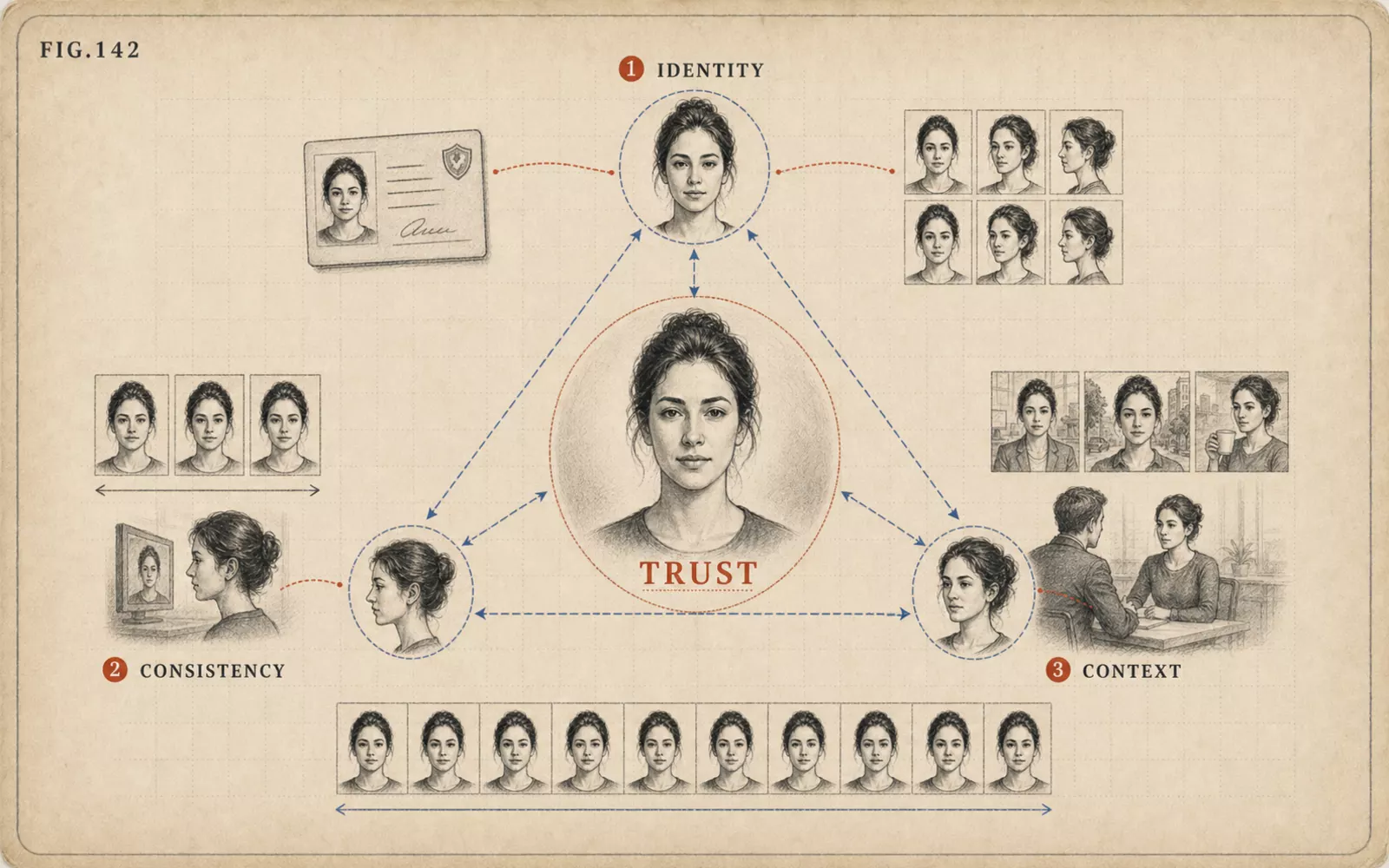 FIG.142The Science of Trust: Why People Want Real PhotographsExamines the trust that profile photos are expected to carry, through the lens of authenticity and consistency.