This Article Contains
The more polished it is, the larger the in-person gap
AI-generated profile photos have a characteristic tendency to smooth skin, hair, and clothing texture into a uniform finish. A polished photo makes a strong first impression. At the same time, the more polished it is, the larger the gap becomes between that image and your actual appearance when meeting in person.
This gap lingers as a small sense of strangeness at first meetings. The feeling that "the real person looks different from the photo" operates wordlessly in the other person's mind and can influence their judgment about trust. The problem with AI photos is not the technology — it is the weakening of the connection to the actual person.
When fine details are over-smoothed, the mouth, eyes, and skin texture each drift slightly away from the real person. Individually small, but combined they produce a state of "polished to the point of looking like someone else."
Why to be cautious when trust is evaluated first
A profile photo is not only for improving your appearance. It is also material for judgments like "does this seem like someone worth meeting?" and "does this connect to the real person?" In contexts where this judgment comes first, the risks of an AI-generated image grow.
Hiring, legal professions, speaking, healthcare — these are fields where holding the other person's trust is foundational to the work. If the photo leaves the impression of "polished, but somehow not quite the real person," extra verification becomes necessary in later conversations and meetings.
Conversely, AI-generated images can be useful when comparing visual directions, as a placeholder in internal materials, or as evaluation material not yet made public. The efficiency of the "still deciding" stage and the trust requirements of the "already public" stage are handled with separate criteria.
FIG. 141An educational diagram for thinking separately about the convenience of AI-generated profile photos and the gap they can create when meeting in person.
Separating public-facing, placeholder, and review uses
Dividing your uses into three categories makes it easier to organize how to handle AI photos. ① Public-facing — it matters that the photo is close to the impression of meeting you in person. ② Placeholder — material for comparing visual directions. ③ Review — material to evaluate your own presentation options.
For public-facing use, authenticity is strongly at stake. Even if you use an AI image, keep adjustments within a range that doesn't stray far from the real you. For placeholder use, the ease of generating polished images translates into efficiency, so AI images are a good fit. For review use, you're evaluating options for yourself, so you can experiment freely.
The same photo calls for different judgment depending on which use it serves. Rather than "AI for everything because it's convenient" or "real photos only, always," think through the context case by case.
Don't make "looks better than I do" the reason
If the only reason you're choosing an AI photo is "it makes me look better than I do now," that's a warning sign. The better you look, the larger the gap when meeting in person. "Slightly more polished than I am" keeps the awkwardness small; "polished to a completely different level" damages trust when you meet face to face.
Another mistake is not thinking about how viewers will respond when they learn the photo was AI-generated. In trust-dependent work, the other person may feel distrust when they realize it. There are situations where ease of explanation matters more than convenience — and in those cases, keeping public-facing photos as real photos gives you more peace of mind.
Check that skin, hair, teeth, eyes, and face shape are not over-smoothed. If something feels off, either take a new real photo or reduce the retouching. Use a three-level scale — "remove, reduce, or keep" — to judge the degree of retouching (see FIG.063).
AI-generated photos should be judged separately on convenience and on whether they match who you are in person.
A checklist and decision process before you use one
First, categorize the use as "public-facing," "placeholder," or "personal review." For public-facing use, strongly assess whether the photo is close to the impression of meeting you in person. For placeholder use, the ease of generating polished images translates into efficiency.
Next, place the AI-generated photo alongside your current self and compare. Check that sense of age, hairstyle, body type, and expression habits are not significantly mismatched. The benchmark is whether someone who will meet you within one to two years would feel any sense of strangeness.
Finally, consider whether viewers are likely to feel anxious in this context. In situations where you want the other person to feel reassured, defaulting to a real photo is the more straightforward choice. If you do use an AI image, commit to polishing only within the range that preserves your authenticity.
- AI-generated profile photos should be judged separately on convenience and on how well trust is conveyed. The more polished, the larger the in-person gap.
- In contexts where trust is evaluated first — such as hiring, legal professions, speaking, or healthcare — a real photo is often easier to justify.
- Separate your uses into public-facing, placeholder, and review, and judge how to handle AI photos on a case-by-case basis.
References
Related Diagrams
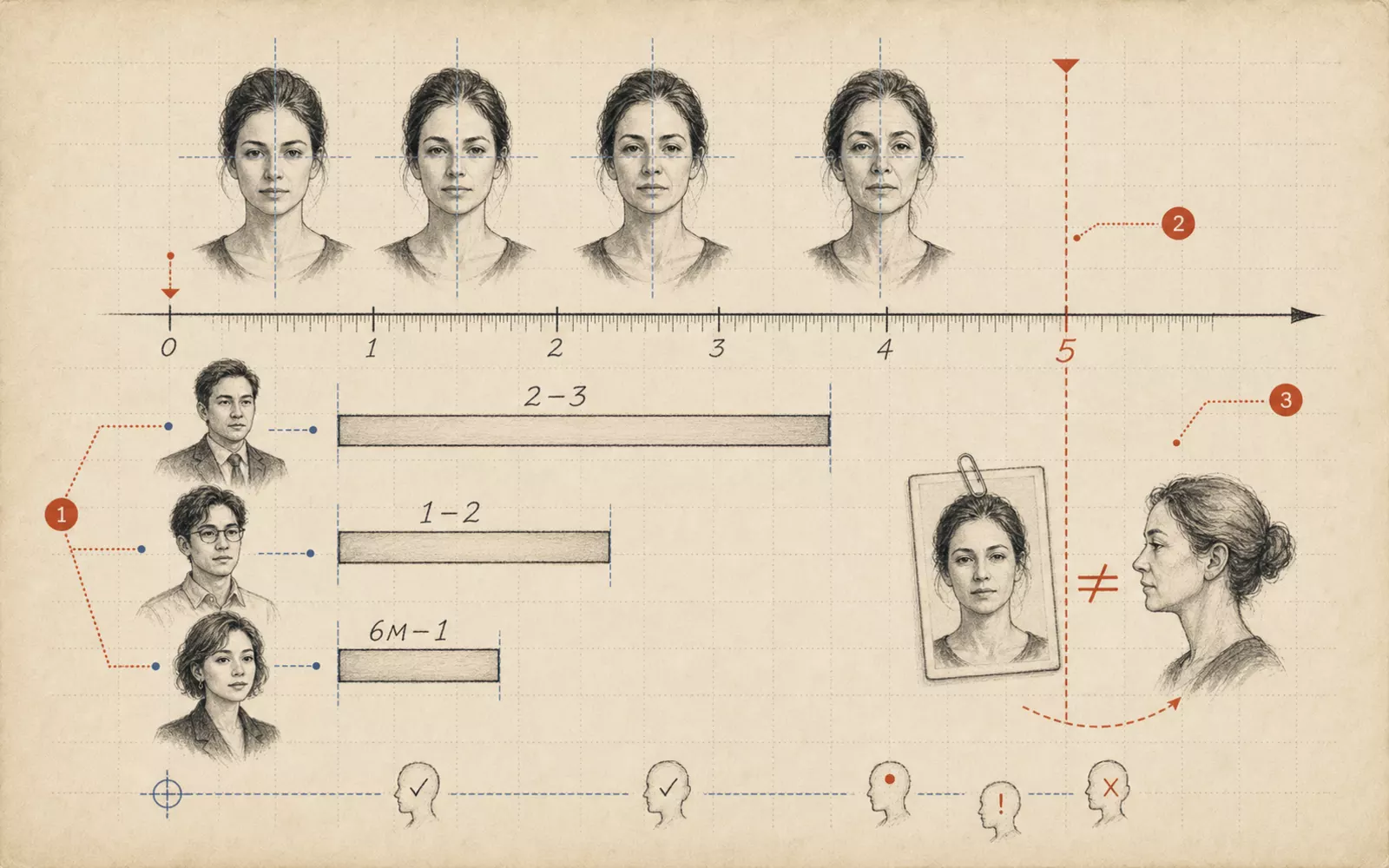 FIG.001Photo Shelf Life: When to Update by ProfessionProfile photos have a shelf life. The general guideline is every 2–3 years for executives, 1–2 years for IT startups, and 6 months to a year for hair stylists.
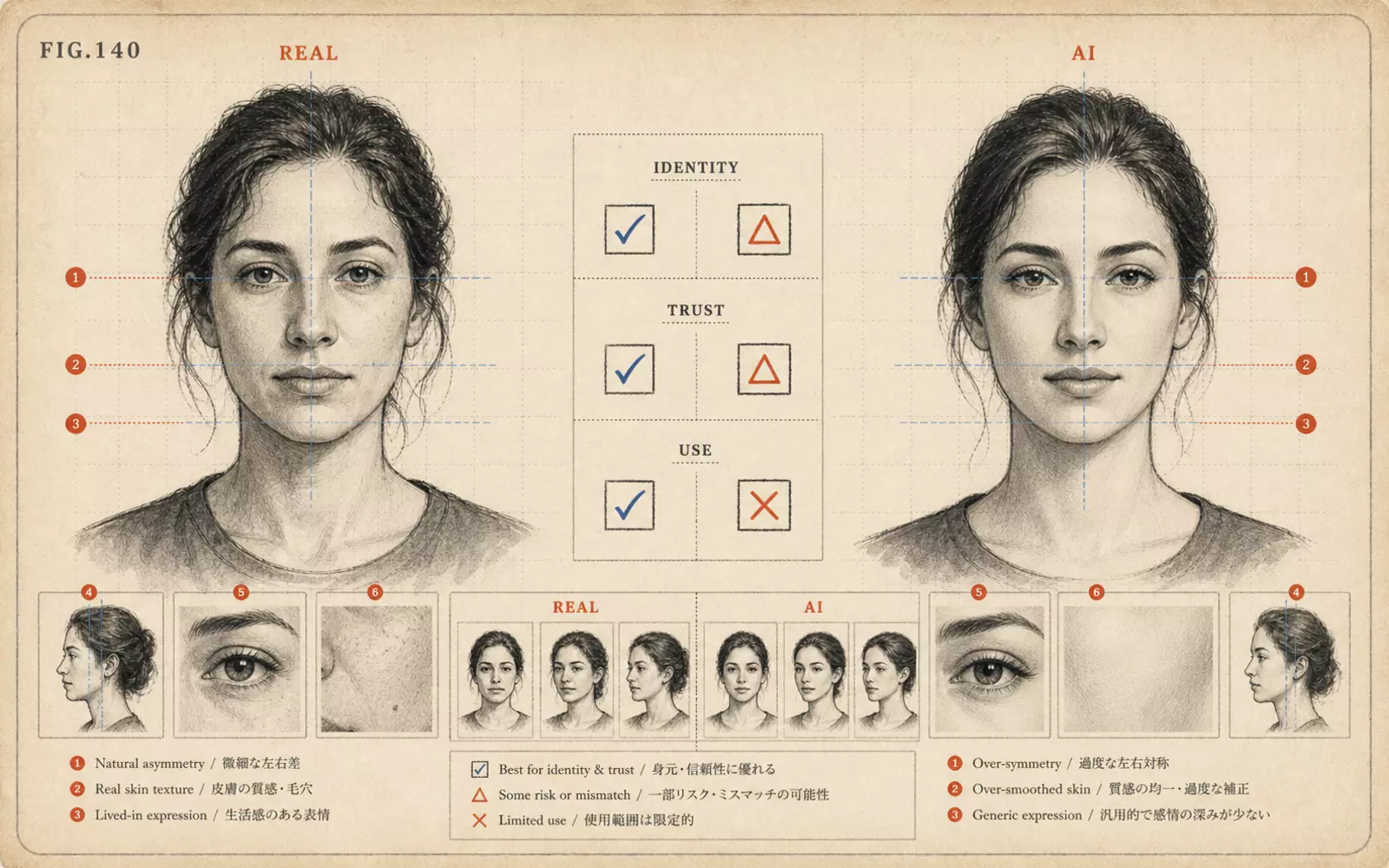 FIG.140AI Headshots vs. Real Photos: What Is the Same and What Is DifferentOrganizes the differences between AI headshots and real photographs from the perspectives of authenticity, use case, and trust.
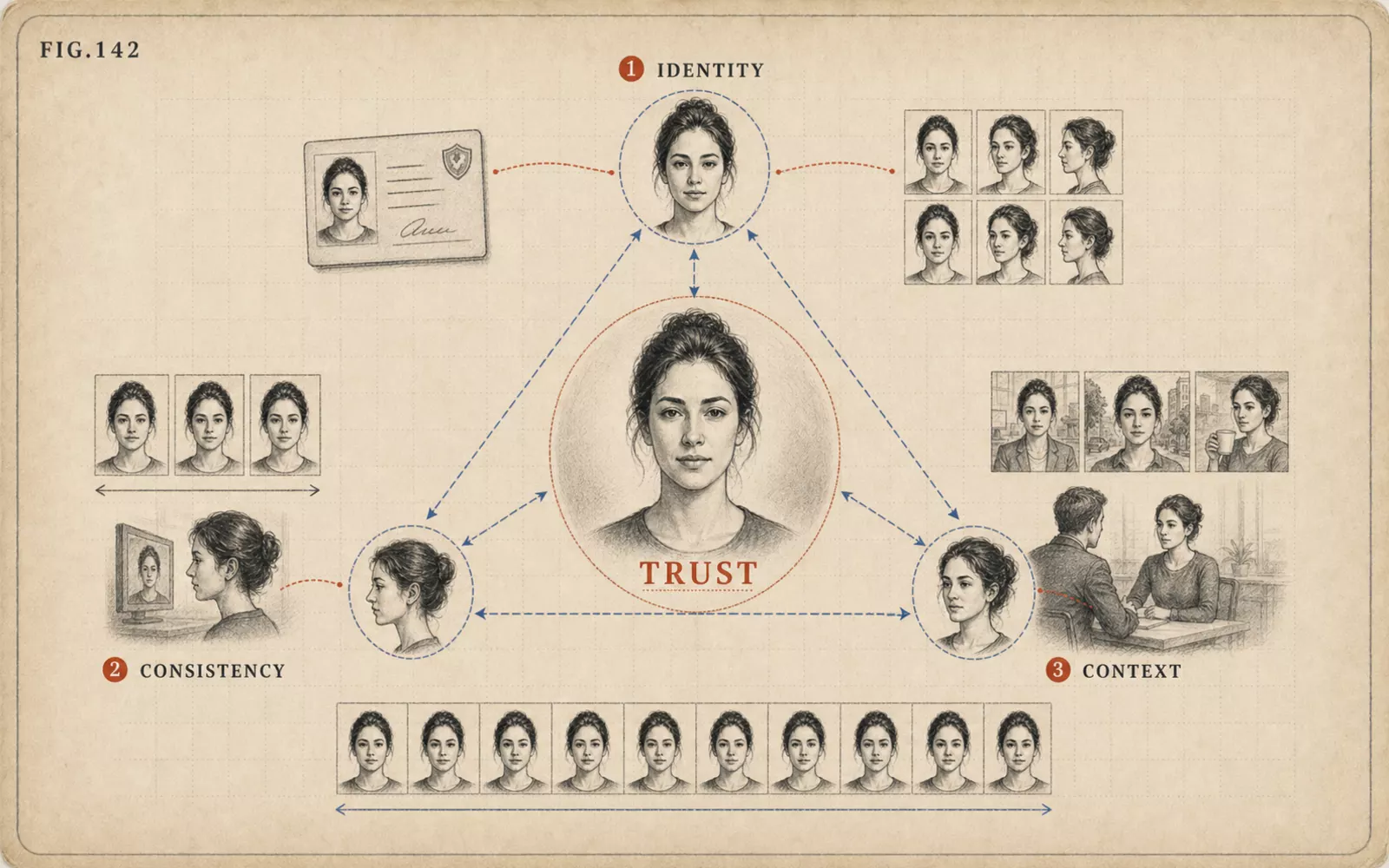 FIG.142The Science of Trust: Why People Want Real PhotographsExamines the trust that profile photos are expected to carry, through the lens of authenticity and consistency.