This Article Contains
What Really Matters in Dating App Photos
Your photo on a dating app is the first thing the other person uses to make a judgment. Photo quality directly affects how many views and messages you receive. However, dating photos have a slightly different purpose than professional profile photos.
A professional photo aims to communicate "trustworthy expert," but a dating photo is judged on "does this person seem sincere?", "do they have a clean, put-together look?", and "will they feel like the same person when we meet?" What matters is not how good your stats look on paper, but the sense of safety that makes someone think "I'd be okay meeting this person."
Simply shifting your selection criterion from "looks better" to "recognizable when we meet" can change your results significantly.
Why a "Flattering Photo" Can Backfire
A photo that's more than five years old, heavily retouched, or uses filters that dramatically change your face may look great in the app — but it creates a gap the moment you meet in person.
The other person agreed to meet based on your photo. If the difference between the photo and reality is large, it's not just hard to spot each other at the meeting point — the feeling of "I was deceived" dominates the first few minutes. Recovering from that impression takes time.
A photo works as an "entry point" precisely because it doesn't differ much from real life. Being a little more photogenic than usual is fine, but editing yourself into a completely different person lowers the quality of the connections you make.
FIG. 041A diagram organizing the thinking behind choosing a dating app photo that makes meeting in person feel safe and comfortable.
Three Conditions Your First Photo Must Meet
When choosing your first dating app photo, check these three criteria.
- Taken within the past six months to a year — Use a photo that reflects your current appearance, within a range where your look hasn't changed significantly.
- Catchlights visible in the eyes — When there are catchlights in the pupils, your expression looks lively and bright. Choose a photo taken near a window or in a well-lit space rather than a dark selfie.
- A clean, uncluttered background — A room with visible daily life clutter, or a busy background, divides the viewer's attention. A photo with a simple background — a plain wall, a quiet corner of a café — is much easier to work with.
Choose your first photo based on these three criteria, not because it's "the most flattering." A natural smile, or just a slight upturn of the corners of the mouth, is more than enough.
For clothing, choose something that "lets people imagine the setting where you'd meet" rather than anything flashy. Colors like white, navy, or soft neutrals that let your complexion show through are easier to work with.
The Pitfalls of "Younger-Looking Photos" and "Face-Hiding Photos"
There are two common mistakes in photo selection.
The first is prioritizing photos where you look the youngest. Choosing purely for youth makes the gap when meeting in person larger. A photo where your current self looks natural — rather than a photo from years ago — leads to better connections over the long run.
The second is hiding your face too much. Using only a mask-on photo, a side profile, or a full-body shot from too far away leaves the other person unable to form an impression of your face. Including at least one photo where your face is clearly visible from the front is the baseline. Excessive blurring or heavy retouching has the same effect — when a profile feels "light on personal information," the other person's reaction shifts from comfort to caution.
For your first photo, prioritize "recognizable when we meet in person" over "looking my best."
The Flow from Shoot to Photo Selection
During the shoot, capture four types of shots: front-facing, slightly angled, upper body, and closer to full body. Some apps crop photos into circles, so leaving space around the face prevents it from being cut off.
For your secondary photos, naturally candid shots showing your hobbies or daily life give conversation topics. However, if the level of editing or the apparent age differs from your first photo, you may no longer look like the same person. Use secondary photos from the same period as the first, or keep the edits consistent so there's no noticeable gap.
When selecting photos, use this standard rather than trying to imagine what the other gender prefers: "Could someone find me easily at a first meeting?" The photo that looks most like you — not the most flattering — is the one that works longest in a dating context.
- Dating app photos should prioritize minimizing the gap when you meet in person. "Looking recognizable" matters more than "looking your best."
- Choose your first photo based on three criteria: taken within the past six months to a year, catchlights in the eyes, and a clean background.
- Keep secondary photos consistent in editing level and time period so that all your photos look like the same person.
Related Diagrams
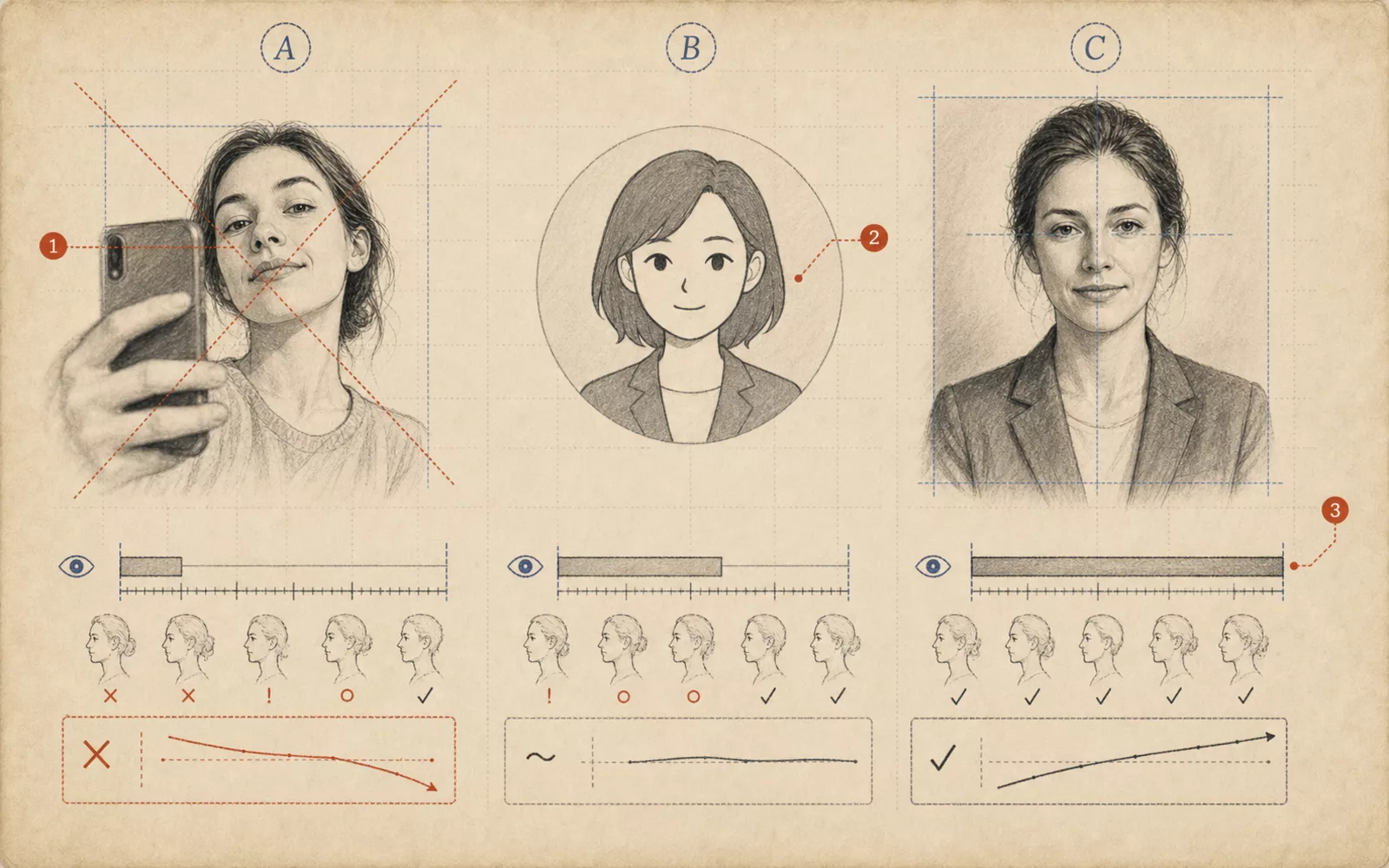 FIG.004Selfie, Illustration, or Professional Photo: How Does Trust Change?Selfies, illustrations, and professionally taken photos create different levels of perceived presence and credibility. This article organizes how to choose based on your use case.
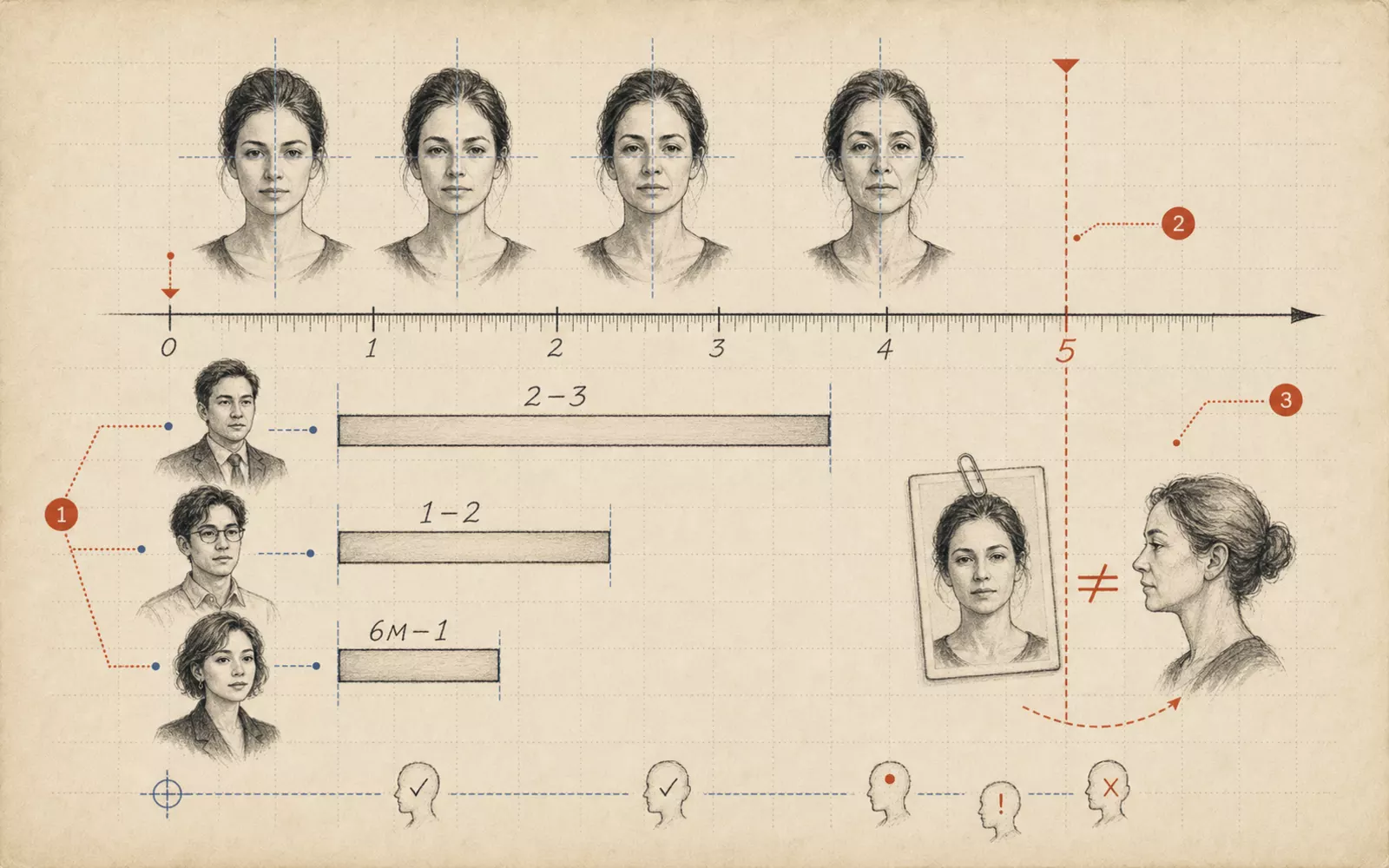 FIG.001The Shelf Life of a Profile Photo: When to Update by ProfessionProfile photos have a shelf life. The general guideline is every 2–3 years for executives, 1–2 years for IT startups, and 6 months to a year for hairstylists.
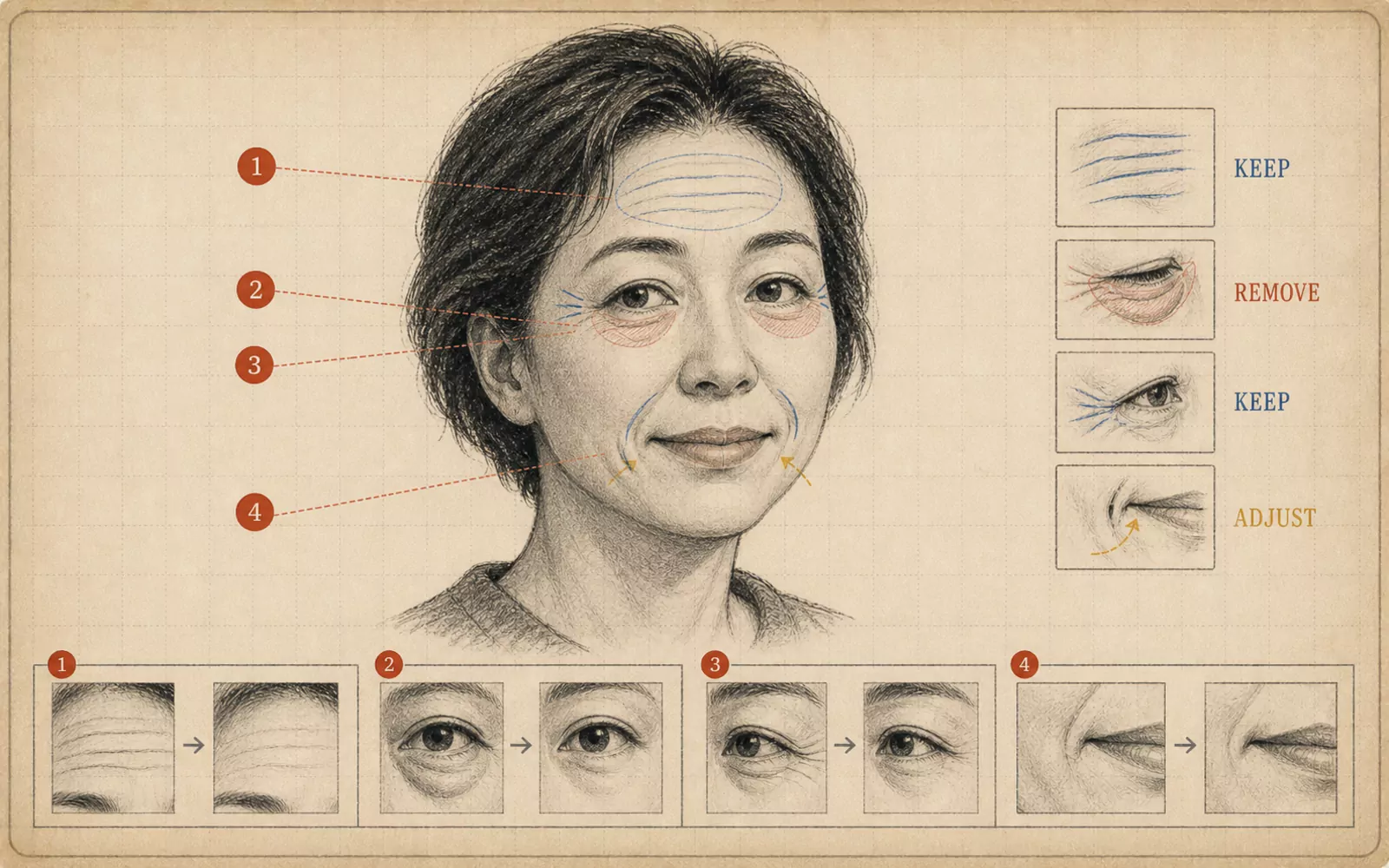 FIG.062Which Wrinkles to Remove and Which to KeepRetouching is not about looking younger — it's about deciding what to remove, what to soften, and what to leave as is.