This Article Contains
Retouching Is Not "Rejuvenation"
Asking for profile photo retouching with the standard of "make it look nice and younger" often does not produce the intended result. "Looking younger" and "functioning as a professional photo" do not always align.
In professional photos, what matters is that viewers think, "This is the same person I would meet in real life." If retouching makes someone look significantly younger than they actually are, the gap between the photo and the in-person impression erodes trust.
The purpose of retouching is to remove temporary noise caused by the condition on the day of the shoot, and to restore an impression close to how the person normally looks. That judgment is made in three levels: remove, reduce, and keep.
The Difference Between Remove, Reduce, and Keep
Remove — Temporary conditions that exist only on the day of the shoot: pimples, blemishes, temporary redness or puffiness from poor sleep the night before. These represent "that day's condition," not a characteristic of the person. Removing them does not change what makes the person look like themselves.
Reduce — Smile lines, neck lines, fine lines at the corners of the eyes. These are connected to age and patterns of expression; removing them entirely makes it appear as though experience and composure have also been erased. A good rule of thumb is to retain about 40% of the texture — adjusting from "noticeable" to "less noticeable."
Keep — Moles, structural facial features, expression lines that are always there. These are characteristics of the person and are relevant to identification. Unless there is a specific request, removing too many of them breaks the consistency with the real person.
FIG. 062A diagram for deciding at three levels — remove, reduce, or keep — which wrinkles to address in photo retouching.
Practical Examples Using the Three-Level Framework
Here are some concrete cases.
One red pimple on the day of the shoot — remove. It is a temporary condition that is not normally there.
Lines at the corners of the eyes or on the cheeks that appear when smiling — reduce. Removing them entirely loses the texture of the smile itself. Retain about 40% to preserve the warmth of the expression.
A mole on the side of the nose that has always been there — keep. It is a personal characteristic that maintains consistency. If the subject is bothered by it, address it only when explicitly requested.
When retouching is done well, the skin retains texture. The fine pore detail on the cheeks and faint traces of expression around the eyes remain slightly visible. Skin that is uniformly bright and completely smooth throughout is a sign that the retouching has gone too far.
The Risk of Saying "Please Make It Look Nice"
Requests like "please make it look nice" or "please make me look younger" do not communicate a standard for how much to remove. The judgment varies by photographer, and the result may be either more or less than intended.
Another risk is that regular use of smartphone beauty filters can calibrate your sense of what looks normal to that level. Once you are accustomed to looking at your filtered self, an unfiltered photo can feel "not enough," leading you to request excessive retouching. In professional photos, this level of filtering puts the impression of heavy processing ahead of trustworthiness.
There is no need to treat every wrinkle or pore as something bad. In photos of executives and professionals, texture appropriate to the subject's age can communicate trust, experience, and credibility.
Retouching is the process of tidying up the day's noise while leaving what makes a person look like themselves intact.
How to Communicate Retouching Requests and What to Check
When placing a request, list the items by category: remove, reduce, keep. Writing it out as "Remove the pimple. Reduce smile lines to less than half. Keep the mole." communicates your intent precisely.
When checking the finished result, look for a little remaining texture in the skin. If every area has the same uniform texture, the retouching may be too heavy.
Place the original and the retouched version side by side. The goal is a state where "fatigue and temporary blemishes are gone while what makes the person look like themselves remains." If you look at the retouched version and think "this looks like someone else," ask to revert it or adjust to a lighter level of reduction.
- Retouching is not rejuvenation — it is the process of removing temporary noise while retaining what makes you look like yourself.
- The basic three levels are: remove temporary redness and pimples; reduce smile lines to about 40%; keep moles and distinctive features.
- When placing a request, use "remove," "reduce," and "keep" specifically — not just "make it look nice."
Related Diagrams
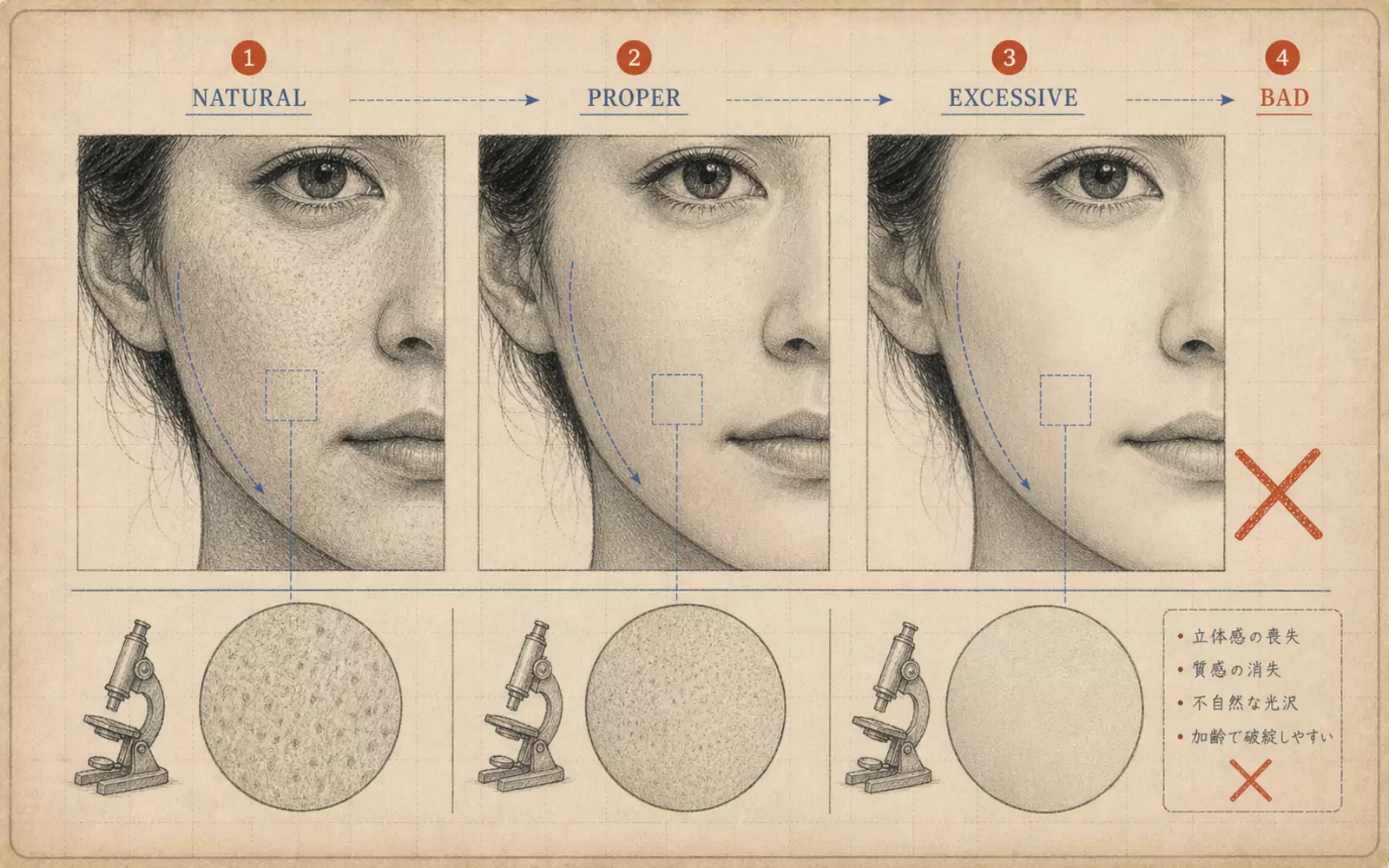 FIG.063The Plastic Skin TrapSmoothing out every bit of skin texture makes people disappear from the photo. Use a three-level approach: remove, reduce, or retain.
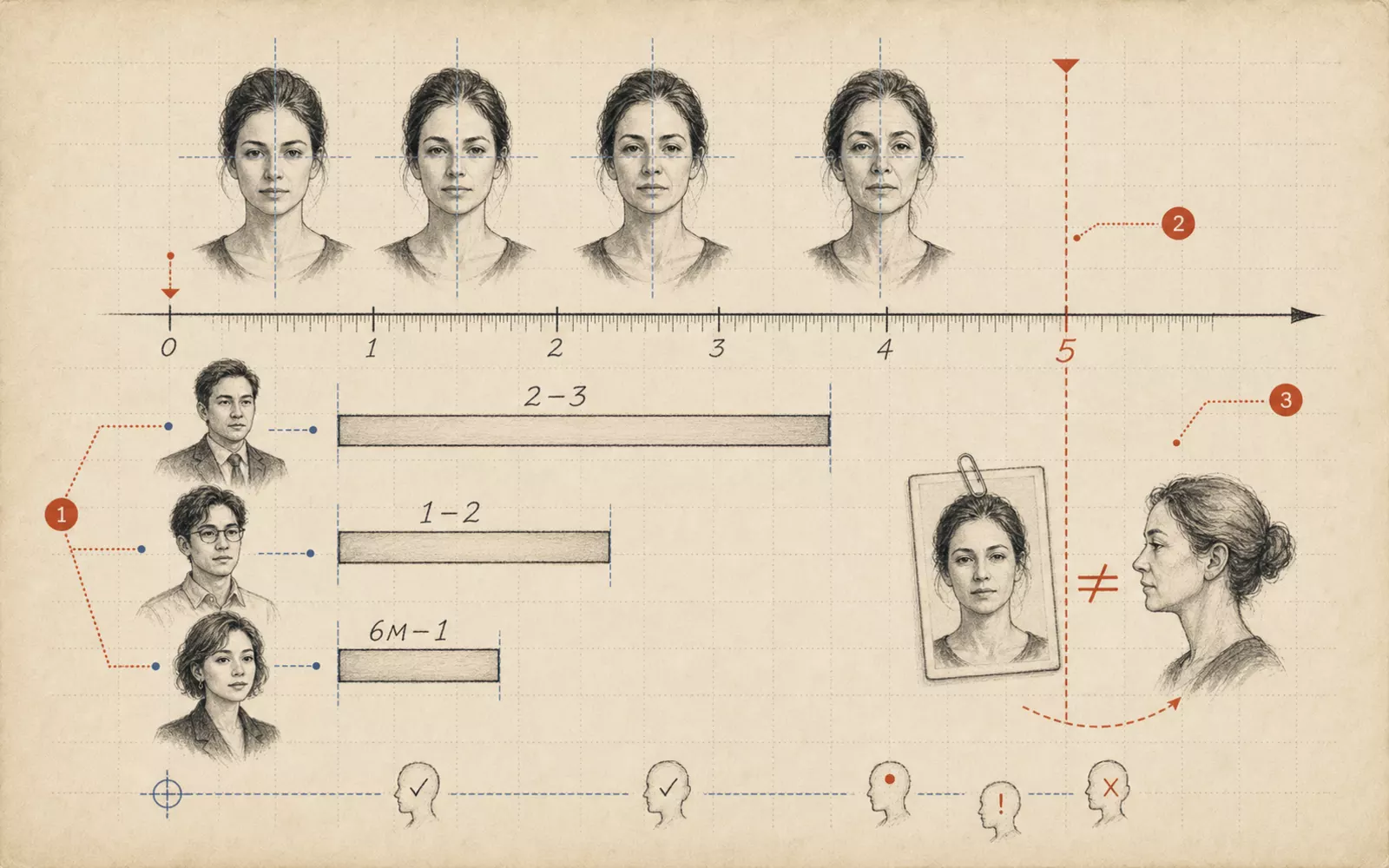 FIG.001Photo Shelf Life: When to Update by ProfessionProfile photos have a shelf life. Executives should update every 2–3 years, IT startups every 1–2 years, and hair stylists every 6 months to a year.
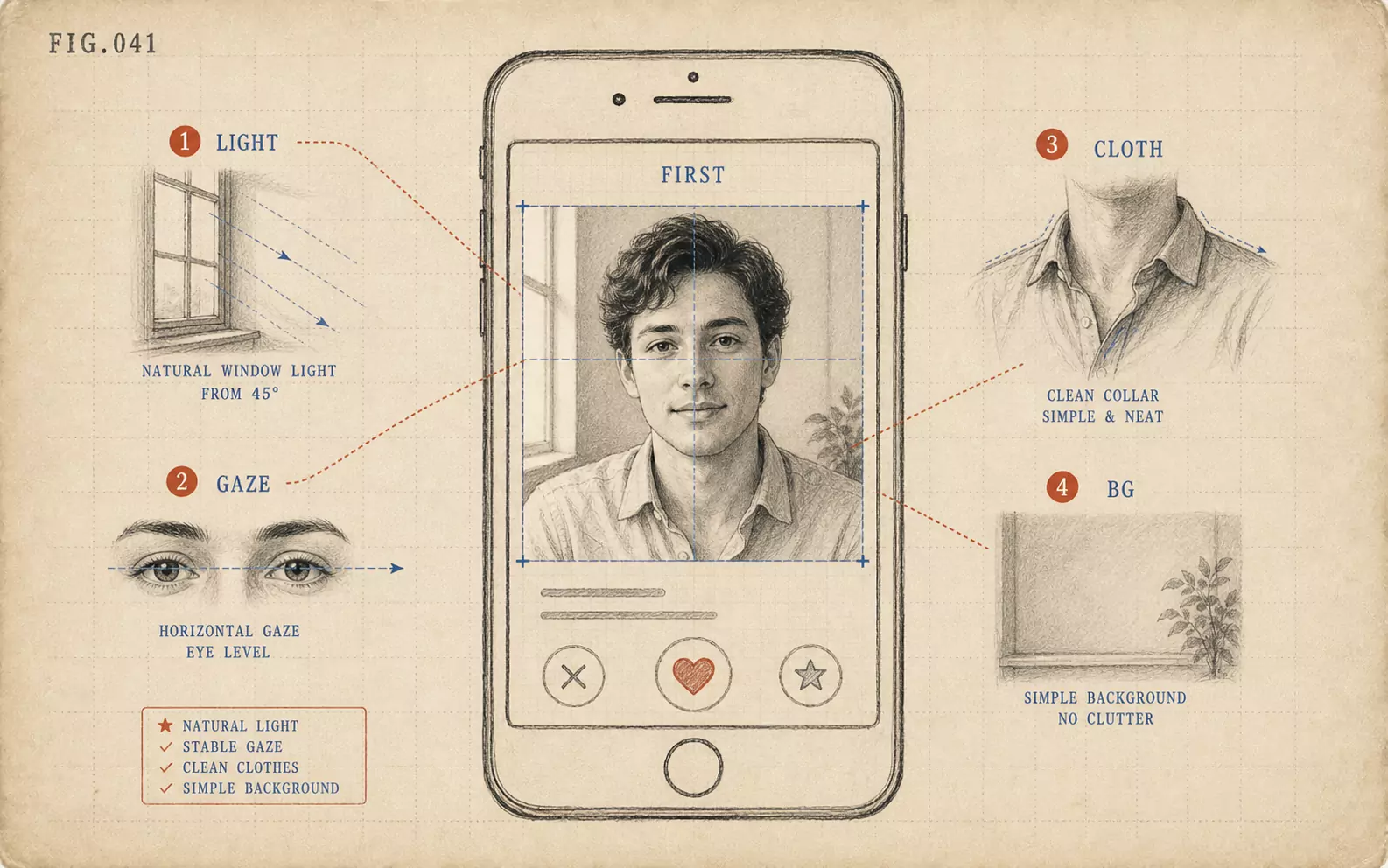 FIG.041The One Photo That Puts Dating App Matches at EaseIn dating photos, building trust so that meeting in person feels comfortable matters more than looking your best.