This Article Contains
The More You Smooth the Skin, the Further Away the Face Feels
Human skin has fine pores, color variation, and shifts between light and shadow. Because a little of this remains, the face has three-dimensionality and a sense of presence. The viewer's eye reads this texture as confirmation that "a person is here."
Plastic skin is what happens when these textures have been over-removed. The skin becomes uniformly bright with uniform texture, and viewers feel that it is "artificial" or "like a CG render."
The intention is "to look nicer," yet the result gives the opposite impression — "no sense of a real person," "artificial." Retouching does not get better the more you remove; what matters is what you choose to keep.
What Happens When Texture Disappears
In professional photos, what matters more than looking younger is "being recognizable as the same person in real life." Skin texture supports this consistency. When the texture in the photo differs greatly from the real person, it creates discomfort in face-to-face situations.
Smoothing out all of the skin also erases the three-dimensionality of the face. The roundness of the cheeks, the shape of the nose, the presence of the cheekbones — these are supported by shadows and color variation in the skin, and making everything uniform causes the face to look "flat."
Fine wrinkles and expression lines are connected to the person's age and patterns of expression. In photos of executives and professionals, these can communicate experience, composure, and trustworthiness.
FIG. 063A diagram explaining what plastic skin looks like and how to retain an appropriate level of texture.
The Difference Between Appropriate and Excessive Retouching
In appropriate retouching, the day's pimples and temporary redness are no longer prominent. Even so, fine texture on the cheeks and faint traces of expression around the eyes remain. Where there are smile lines, they have been reduced to about 40% — not fully erased.
In excessive retouching, the whole face is the same brightness and the texture is the same everywhere you look. The three-dimensionality of the cheeks weakens and the outline of the nose becomes vague. The skin itself may look "nice," but the human warmth drops.
As a checking method, it is important not to zoom in too much but to view the photo at the actual display size. When the photo is placed on a website or business card, check whether the skin alone appears to float or stand out unnaturally.
The Problem with Using Beauty Filters as Your Standard
When you use beauty filters in smartphone camera apps every day, you become accustomed to that look. Looking at an unfiltered photo can feel "not enough" or "worse than the real me."
Requesting retouching by this standard results in excessive processing for a professional photo — a state where the sense of heavy processing comes across before trustworthiness.
Using filters is not inherently bad. However, professional photos and private social media posts require different standards. "The same person you would meet in real life" for professional use, and "how I like to look" for private posts — using them for different purposes is the rational approach.
Skin texture does not get better the more you remove it — trustworthiness changes depending on what you choose to keep.
How to Check Retouching and Communicate Your Request
When placing a request, list what to remove, reduce, and keep separately. Writing it out as "Remove the pimple. Reduce smile lines by about half. Keep the mole." communicates your intent precisely (see FIG.062).
When checking the finished result, look for a little remaining texture in the skin. A photo where the texture is the same throughout may have been retouched too heavily.
Place the original and the retouched version side by side and confirm that "fatigue and temporary blemishes are gone while what makes the person look like themselves remains." If you look at the retouched version and think "this looks like someone else," ask to revert it or adjust to a lighter level of reduction.
- Over-removing skin texture weakens the sense of a real person. Plastic skin moves closer to "unsettling" than "nice-looking."
- The basic three levels are: remove temporary blemishes; reduce smile lines; keep fixed characteristics — this three-level judgment is fundamental.
- Check the final result not just when zoomed in but also at the actual display size.
Related Diagrams
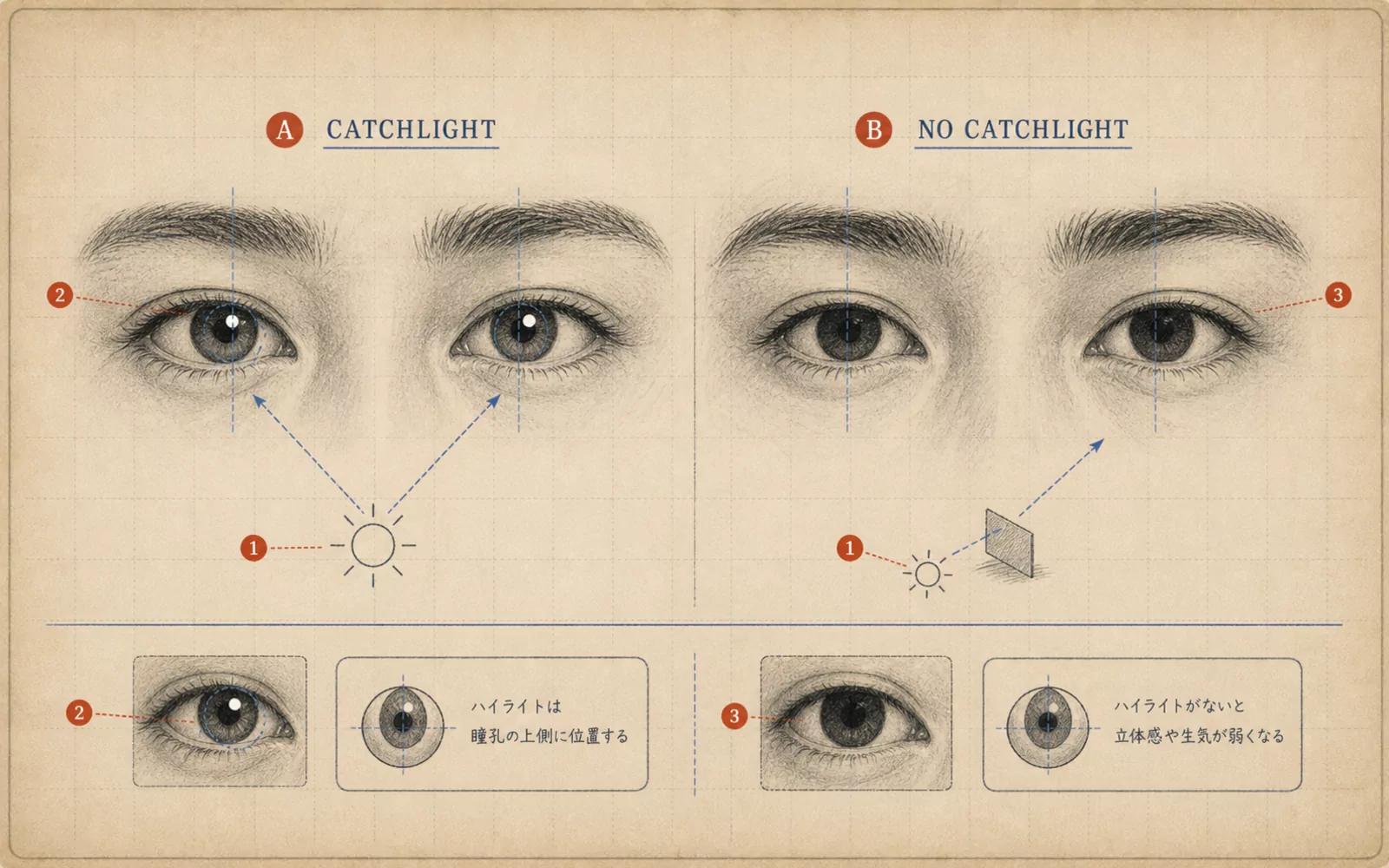 FIG.061Is There Light in Your Eyes?The final step in photo selection is checking the light in the pupils. Photos with small white highlights in both pupils convey a sense of life.
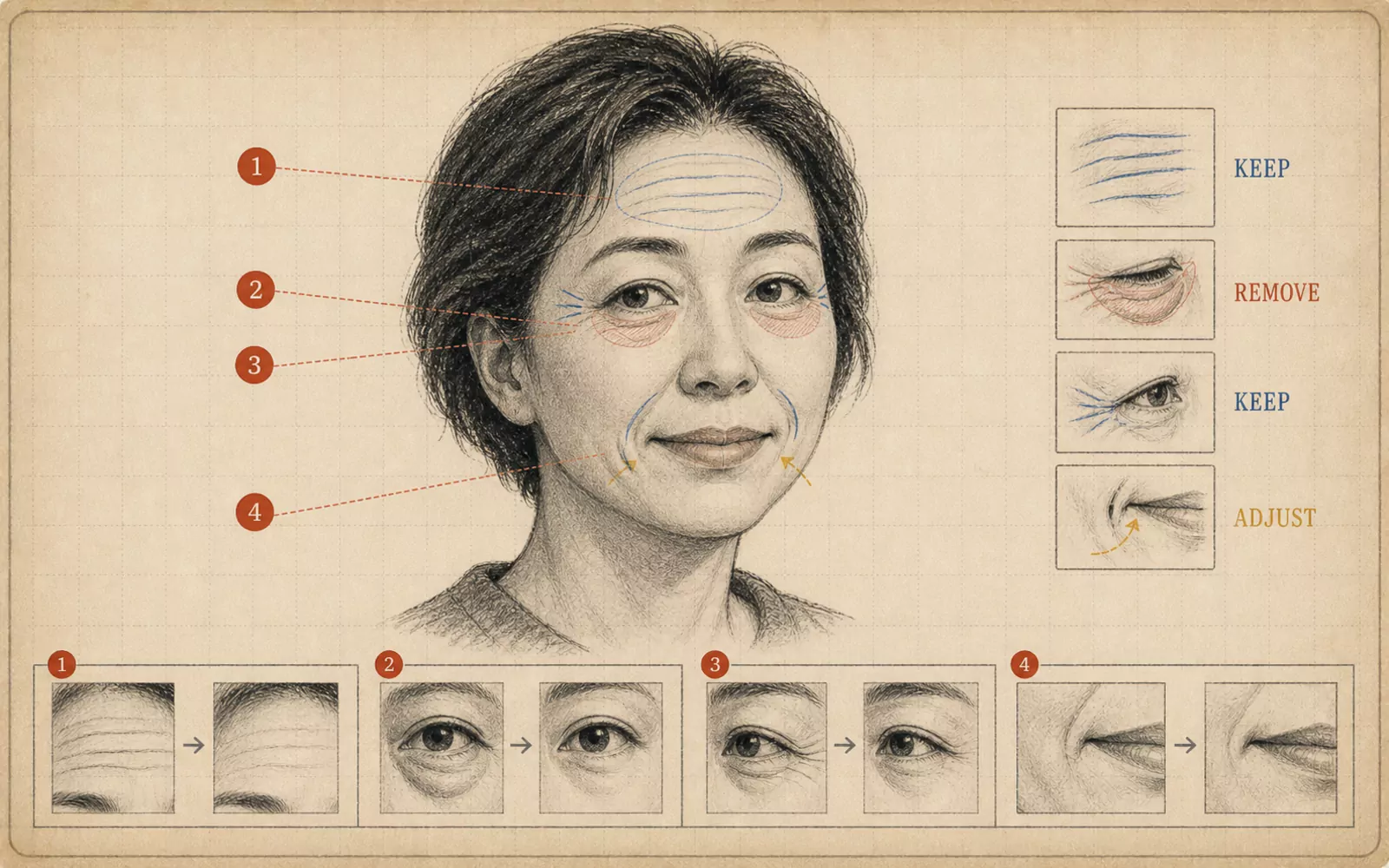 FIG.062Which Wrinkles to Remove and Which to KeepRetouching is not rejuvenation — it is the process of deciding what to remove, what to reduce, and what to keep.
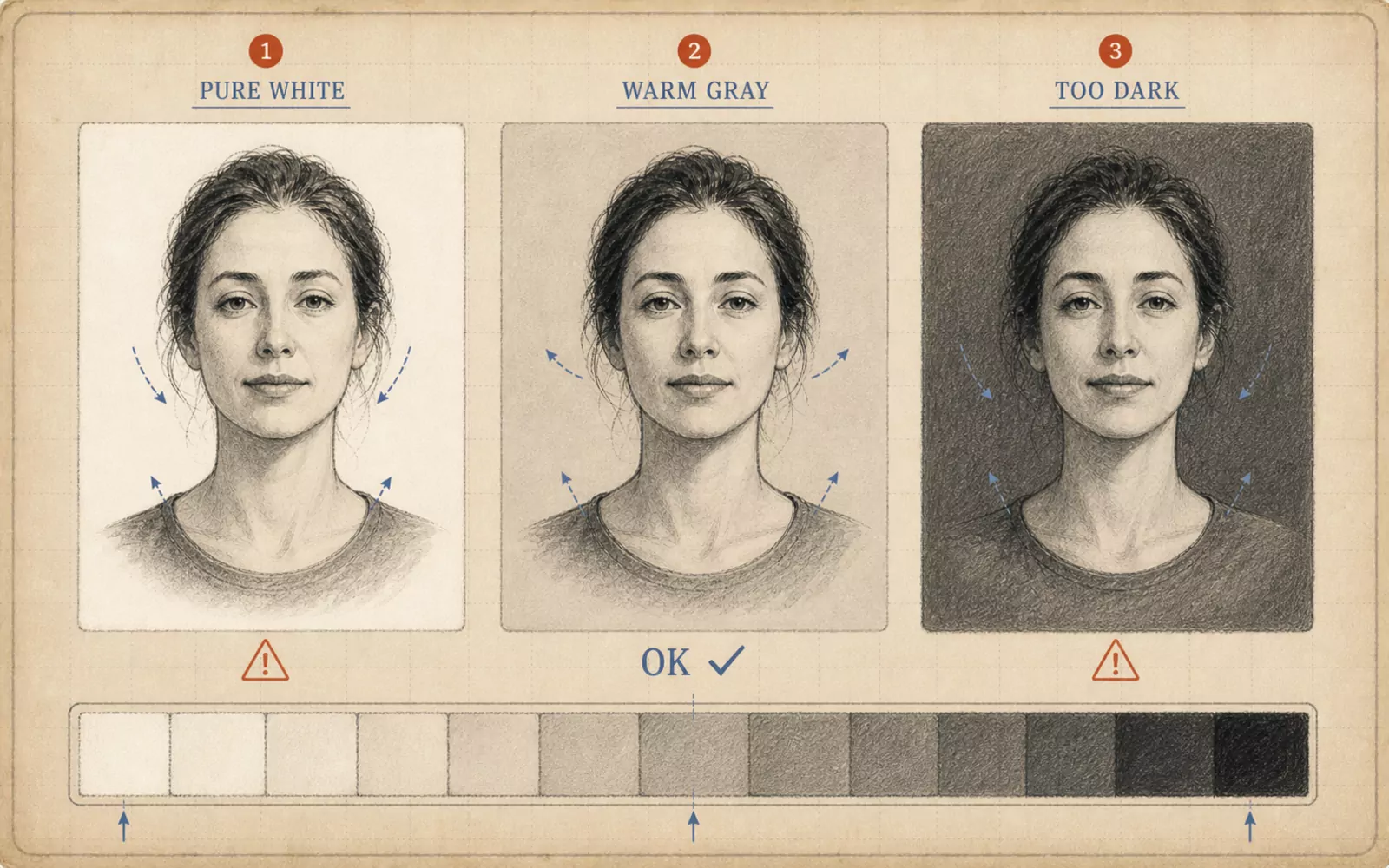 FIG.064A White Background Is Not Pure WhiteA white background that includes a hint of grey integrates better with the subject. Watch out for over-cropping.