This Article Contains
Adjust Current Trustworthiness Rather Than Erasing Age
Many people think "I want to look younger" or "I don't want to seem my age" when having a career change photo taken. But trying to erase your age in a photo tends to create a shot that is disconnected from who you are now.
In hiring and career change contexts, a photo conveys the impression of "what it would be like to meet and talk with this person." A photo where your age has been erased can create a sense of dissonance at an interview — "you look different from the photo." That dissonance affects the other person's judgment before trust even has a chance to form.
What needs to be adjusted is not looking younger, but cleanliness, a composed expression, and "what feels true to who you are right now."
What a Photo Communicates First in a Hiring Context
Recruiters read expression, cleanliness, and overall impression from a photo in a short amount of time. That impression becomes the background through which they read your resume and work history. If the photo's impression is positive, the work history tends to be read more favorably; if it is not, wariness can come first.
A "young" impression is not necessarily an advantage. In career transitions in your 30s, "adaptability to enter a new environment" tends to be evaluated; in your 50s, "composed reliability and approachability" are what is looked for. In both cases, it is clothing, expression, and the strength of retouching — not age itself — that determines the impression.
What a photo should communicate is not "youth," but "the trustworthiness of who you are right now."
FIG. 132An educational diagram for thinking about how to present cleanliness and experience by age group in career change photos.
Shifting the Impression You Emphasize by Age Group
In your 30s, focus on the balance between cleanliness and adaptability. Slightly brighter, lighter-weight clothing creates an impression of "someone who can move with you." For expression, avoid over-engineering it and aim for a composed, professional look. A naturally soft mouth communicates more effectively than a forced strong smile.
In your 50s, look at the balance between experience and approachability. Composed colors and a clean silhouette in clothing quietly communicate experience. An expression that is grounded while retaining softness connects to an impression of "someone you can trust and consult."
Keep retouching to reducing signs of fatigue or temporary skin blemishes. Over-smoothing wrinkles or facial contours leads to concern that you look like "a different person" in real life. Cleanliness is important, but erasing the experience that comes with age weakens the connection to your work history.
What Happens When You Keep Using an Old Favorite Photo
Continuing to use a photo that once turned out well is a common mistake. The further it drifts from your current hairstyle, body shape, and general appearance, the more dissonance comes before trust. Even if you choose it thinking "I look younger here," interviewers can sometimes see "a different person."
The closer the photo and the real-life impression, the more smoothly conversation flows at the start of an interview. When impressions are misaligned, a silent moment of "wait, that's not quite right" occurs. This small gap affects trust formation at a first meeting.
During a job search, use a photo taken within at least the past one to two years as a guideline. From your 40s onward in particular, appearance changes accumulate year by year, so consider updating photos that are more than two to three years old (see FIG.001).
Career change photos align current trustworthiness and cleanliness rather than making you look younger.
Checks Before, During, and After the Shoot
Before the shoot, put the impression your target employer wants to see into words. Deciding specifically — like "someone who adapts flexibly," "an approachable manager," or "someone with specialized expertise" — aligns your choices of clothing, expression, and background.
During the shoot, check for wrinkles in clothing, how hair is gathered, the light in your eyes, and the tension around your mouth. Rather than hiding your age, prioritize a presentation that would feel natural when meeting someone in a professional setting. Rather than trying to correct everything at once, start with posture (see FIG.028) and adjust expression last.
When selecting photos, check them at the display size of a resume or LinkedIn profile. Rather than judging the photo alone, keep the shot where the impression aligns when placed alongside a title and work history. A photo that communicates both cleanliness and composure at the same time functions well for career change purposes.
- Career change photos do not erase age — they adjust the balance between experience and cleanliness.
- In your 30s, emphasize adaptability; in your 50s, emphasize experience and approachability. Shift what you emphasize by age group.
- Keep retouching within a range that will not feel mismatched when meeting in person. Update old favorite photos regularly.
Related Diagrams
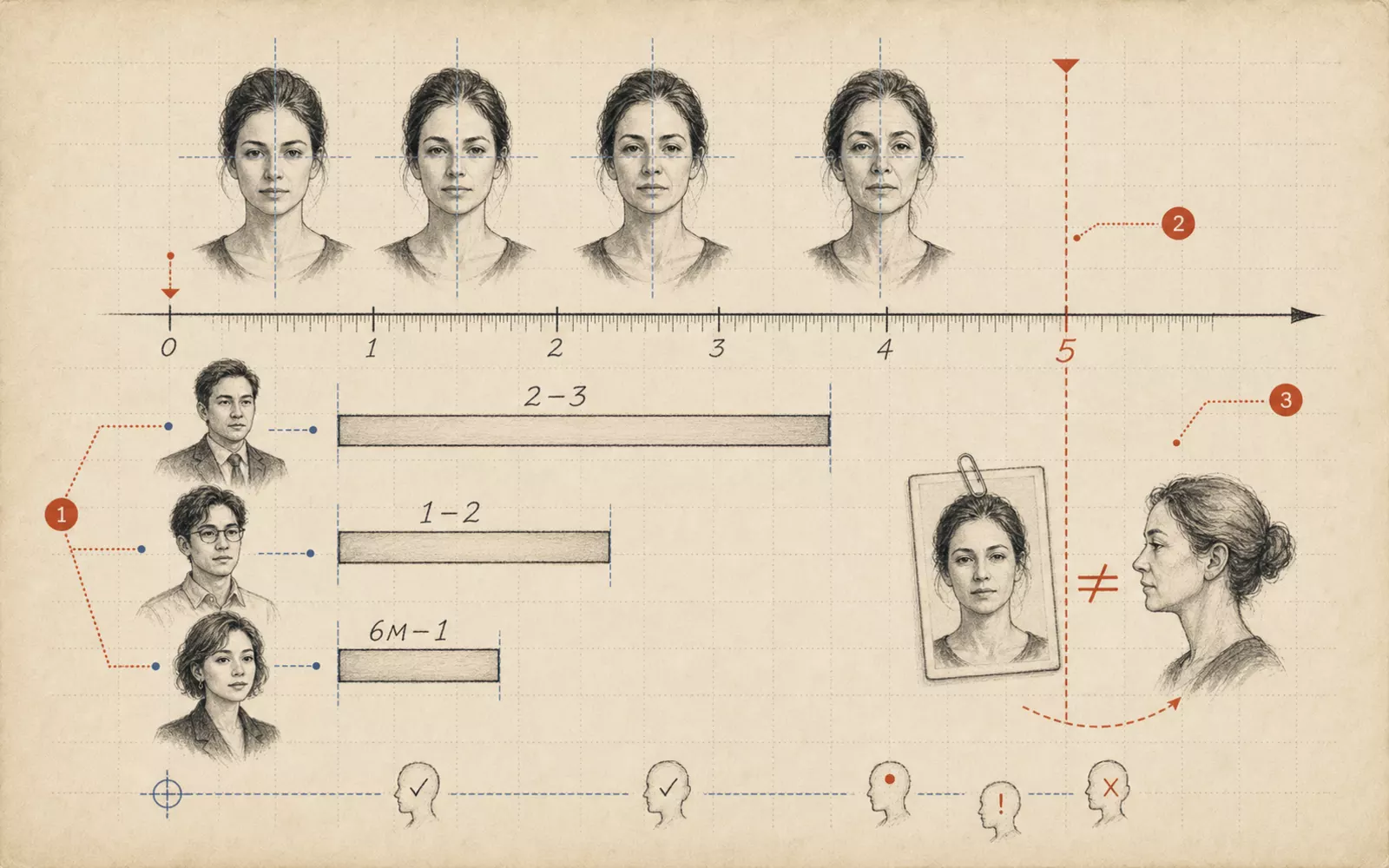 FIG.001Photo Shelf Life: When to Update by ProfessionProfile photos have a shelf life. Executives should update every 2–3 years, IT startups every 1–2 years, and hairstylists every 6 months to 1 year.
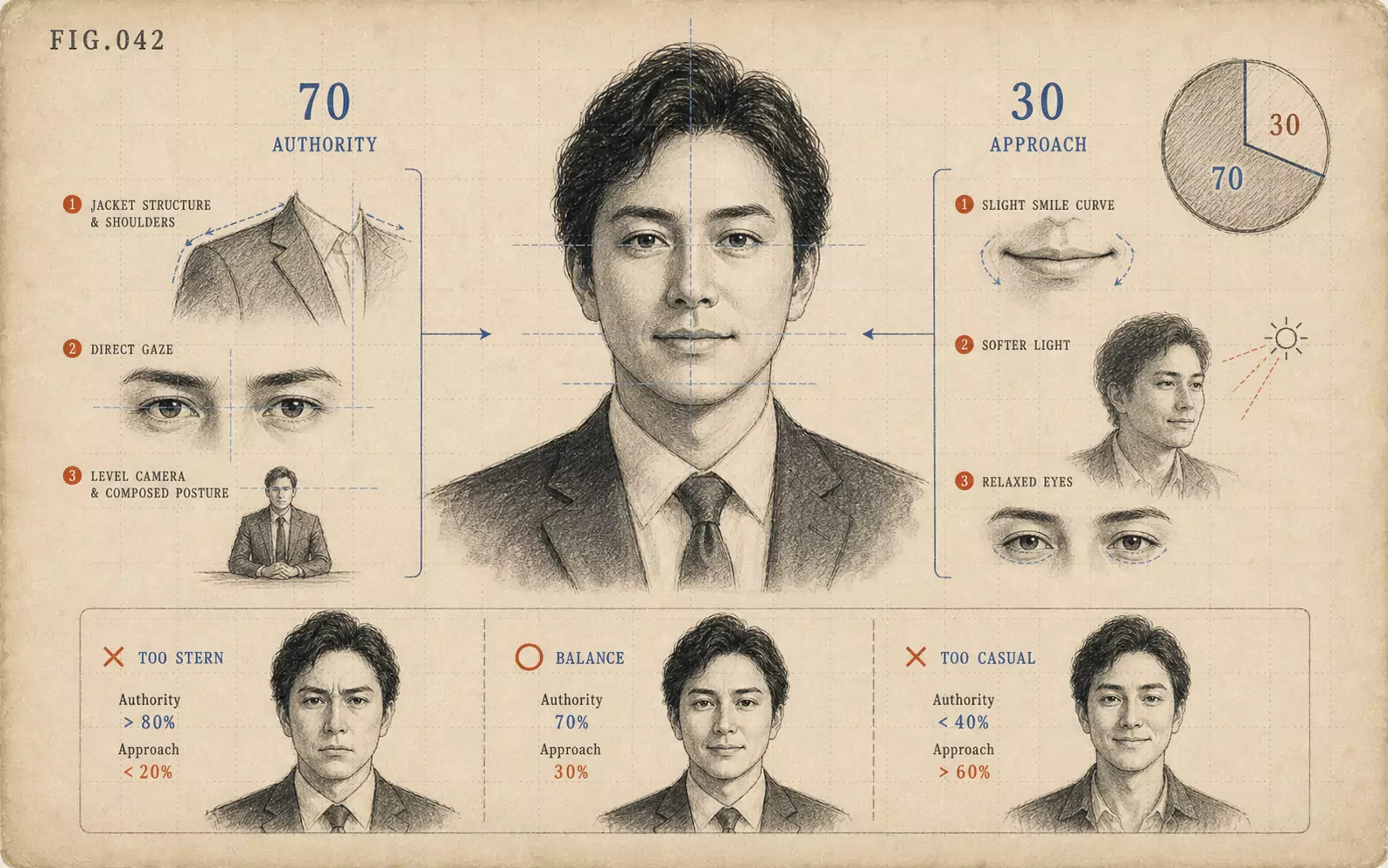 FIG.042Executive Photos: 70% Authority, 30% ApproachabilityExecutive photos build authority through clothing and add approachability through expression. The ratio of 70% authority to 30% approachability is the standard.
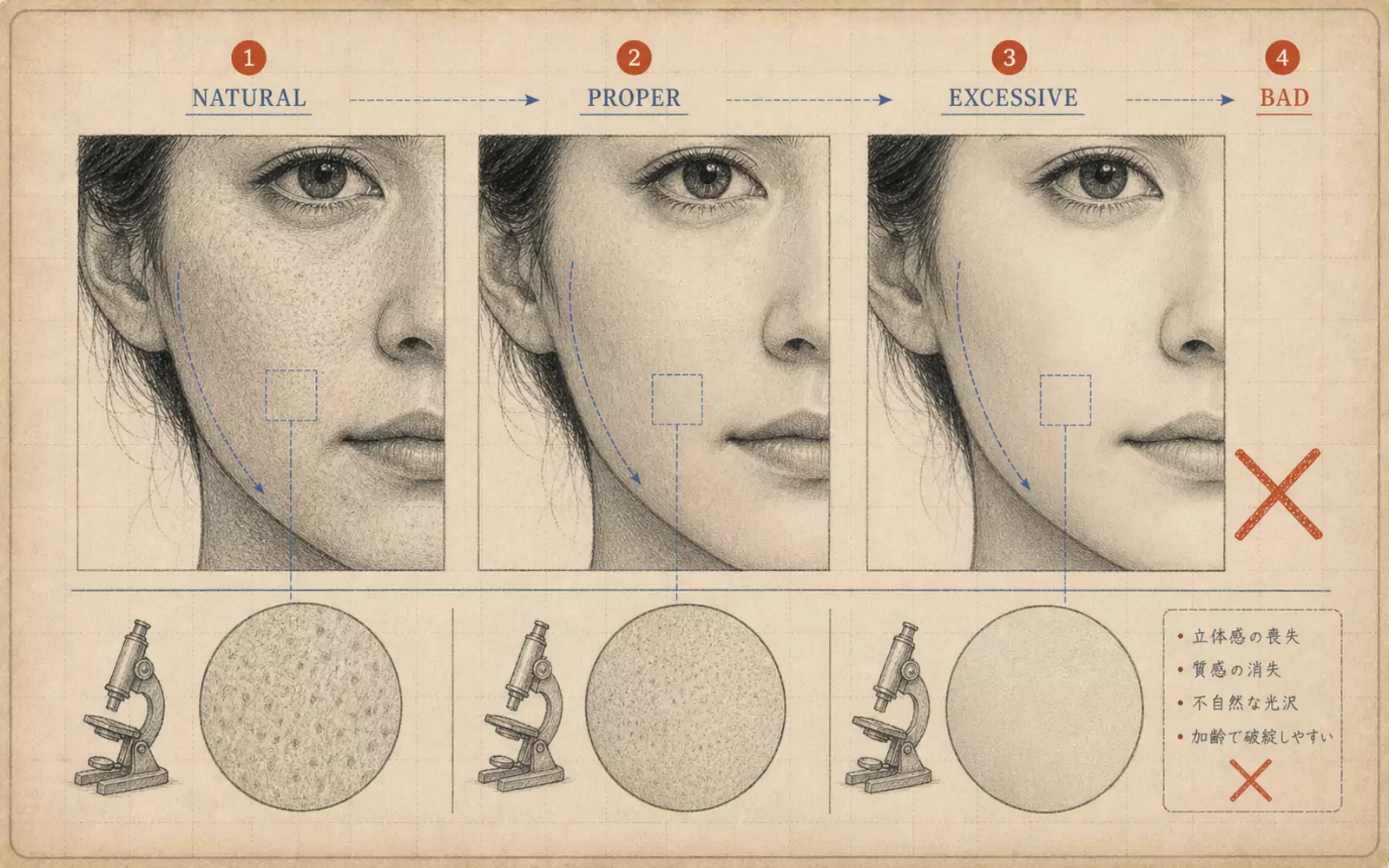 FIG.063The Plastic Skin TrapSmoothing all of the skin removes the sense of presence and makes the subject look uncanny. Judge in three levels: erase, soften, or leave as-is.